
I rolled into Chattanooga on a Thursday afternoon last fall, the kind of weather where you can't tell if it's still summer or finally autumn. The riverfront was packed with people on bikes and walking dogs, and the vibe felt immediately accessible—not touristy in a plastic way, but genuinely lived-in and friendly.
That said, I'm not naive about any city I visit alone. Chattanooga is no exception. It's a real place with real neighborhoods, some thriving, some struggling. The good news: with basic awareness and a willingness to ask locals where to go, you'll be fine. Most visitors never encounter trouble. But it helps to know the patterns before you arrive.
The Overall Picture
Chattanooga's crime rates have improved notably in recent years, particularly violent crime, which has dropped significantly since the mid-2000s. That's real and measurable. The city has invested in neighborhood revitalization, and you can see it in places like the North Shore and downtown—these areas genuinely feel safer and more inviting than they did fifteen years ago.
That improvement is unevenly distributed. Like most mid-sized American cities, Chattanooga has pockets of concentrated poverty and related property crime. The police department tracks incidents by neighborhood, and if you're solo, it's worth spending five minutes looking at those heat maps before you arrive. The Chattanooga Police Department publishes this data publicly, which is helpful.
The reality: downtown and the North Shore are busy, well-lit, and full of people at reasonable hours. The riverfront parks are excellent. But some areas on the south and east sides of the city see higher rates of property crime and occasionally violence. You don't need to be afraid of those neighborhoods—many residents love where they live—but you do need to be intentional about where you wander at night.

Downtown and the North Shore: Your Safe Default
This is where you'll spend most of your time anyway. Walk around the Riverwalk, explore the North Shore galleries and restaurants, hit the Tennessee Aquarium, browse the Chattanooga Public Library (a genuinely beautiful building). These areas have foot traffic, good lighting, and a visible police presence. I felt completely comfortable walking around here until 10 or 11 p.m., and I did so multiple times.
The pedestrian bridges connecting downtown to the North Shore are well-maintained and always busy. During the day, it's nearly impossible to feel unsafe here. At night, stick to the main routes and you're fine. The neighborhoods immediately north and east of downtown—Southside, St. Elmo—have invested heavily in walkability and community development. Parts of these areas are genuinely nice to explore, especially along the main corridors. Just use the same judgment you would in any city: don't wander down isolated residential blocks late at night.
Neighborhoods Worth Understanding
East Lake is a neighborhood south of downtown that's undergoing significant revitalization. New businesses, better lighting, community investment. But it's still in transition. During daylight and early evening, it's fine. I'd be more cautious wandering around there after dark, especially alone, just because foot traffic thins out.
The areas south of downtown, particularly toward Chattanooga State Community College, see higher rates of property crime. Again, this isn't a war zone—people live and work there safely. But it's not where I'd recommend a solo traveler spend their evening. Stick to the parts of the city that already have tourist and residential infrastructure.
Highland Park and nearby Northgate neighborhoods, north of downtown, are among the safest and nicest areas to explore. These are mostly residential, tree-lined streets with local coffee shops and restaurants. I felt great walking around there in the afternoon and early evening. It's the kind of area where you notice if someone's watching you, because everyone's just living their day.
Practical Safety Moves for Solo Travelers
First, use rideshare apps or taxis when moving around at night, especially if you're unfamiliar with where you're going. A $6 or $8 Uber across town beats the question of whether you should be walking it. Apps like Via operate in Chattanooga too and are cheaper. Cabs are reliable here.
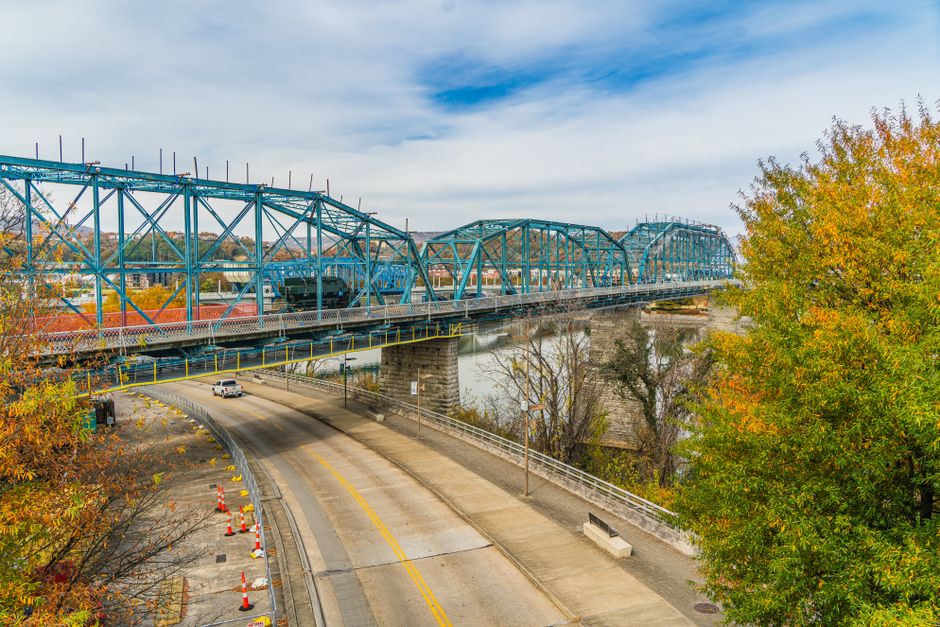
Daytime is your friend. Chattanooga's an outdoor city—the Riverwalk, the Walnut Street Bridge, the various hiking areas around town. Go do these things during daylight and early evening. By the time darkness falls, you should be in a place with other people or heading back to where you're staying.
Let someone know where you're going and when you expect to return. This is true everywhere, but especially when you're solo. I usually text a friend back home my rough plans and check in if I'm going to be later than expected. It's not paranoid; it's practical.
Stay aware of the time. Around midnight, foot traffic drops everywhere. Even downtown feels different at 1 a.m. than it does at 9 p.m. Know when the bars close, know when the last bus runs, and plan accordingly. Most solo travelers I know who've had trouble in cities usually made that trouble at 2 a.m. when they were exhausted or intoxicated or both.
Public Transit and Getting Around
The CARTA bus system is reliable and inexpensive, and I used it several times without incident. Routes are reasonably well-mapped online. During standard hours (daytime and early evening), buses are fine. Late at night, you're going to be sharing a bus with fewer people, which changes the dynamic. That's when you might prefer a rideshare or a taxi.
Chatowngo Bikes, the bike-share system, is a fun way to get around during the day. I'd avoid biking alone at night on unfamiliar routes, just because road awareness matters and solo cyclists are a bit more vulnerable. But during daylight hours, it's a great way to see the city.
Walking is excellent in downtown and the North Shore, and parts of the surrounding neighborhoods are genuinely walkable too. Just keep the usual principles: stay on main streets, vary your routes if you're staying a while, be aware of who's around you. Chattanooga isn't uniquely dangerous in this regard—it's just a city, with all that implies.

What Not to Worry About (Much)
Mugging isn't a common thing here. Violent crime, while it happens, is not a major threat to random tourists. The city isn't on edge. People walk around, use their phones, sit in parks. Nobody's looking over their shoulder constantly.
The tourist infrastructure is solid. There are enough visitors that businesses and the city have incentive to keep main areas safe and welcoming. You won't be alone out there.
I never felt the creeping dread you sometimes get in cities where something just feels off. Chattanooga felt like a place where locals and visitors coexist naturally. The risk is real but manageable with basic common sense.
Weather and Other Practical Stuff
One thing nobody talks about in safety guides: Chattanooga gets hot and humid in summer. Heat exhaustion is a real solo-travel risk that we don't discuss enough. Drink water, take breaks, know where the air-conditioned spots are. That matters more than crime stats for most people.
Spring brings occasional severe storms and flooding in certain low-lying areas. Pay attention to weather if you're visiting March through May. Winters are mild but can be icy. Summer is when most tourists come, and it's also when the city is busiest and feels safest.
General city-travel common sense applies: don't leave valuables in your car, don't flash expensive gear, don't leave your phone unattended in a café. These things aren't unique to Chattanooga, but they matter.
The Bottom Line
Chattanooga is a welcoming city for solo travelers. I enjoyed my time there, felt safe most of the time, and would go back without hesitation. The neighborhoods that attract visitors—downtown, the North Shore, the riverfront, nearby natural areas—are where the city has invested in making itself appealing. That infrastructure and attention makes them safer.
Your main job is to be aware, not paranoid. Stay in well-populated areas, especially at night. Ask locals where they go and where they don't. Use reasonable judgment about timing and routes. Do these things, and you'll have a great visit. Millions of people move through Chattanooga every year without incident. You probably will too.