I arrived in Columbus on a Thursday afternoon with the usual mix of excitement and wariness that comes with landing in an unfamiliar city alone. The thing about Columbus is that it doesn't feel dangerous—the streets are wide, downtown has genuine energy, and people are friendly. But friendly doesn't mean uniformly safe, especially if you're traveling solo and unfamiliar with the geography.
I spent three weeks crisscrossing the city on foot and by bus, eating at local spots, talking to residents, and paying attention to which neighborhoods felt different at 9 p.m. versus noon. Columbus isn't a high-crime tourist destination in the way some major cities are. But it does have real pockets of neighborhood instability, and solo travelers benefit from knowing which areas to navigate differently and when to shift your approach.
Downtown and the Arena District: Generally Safe, with Time Caveats
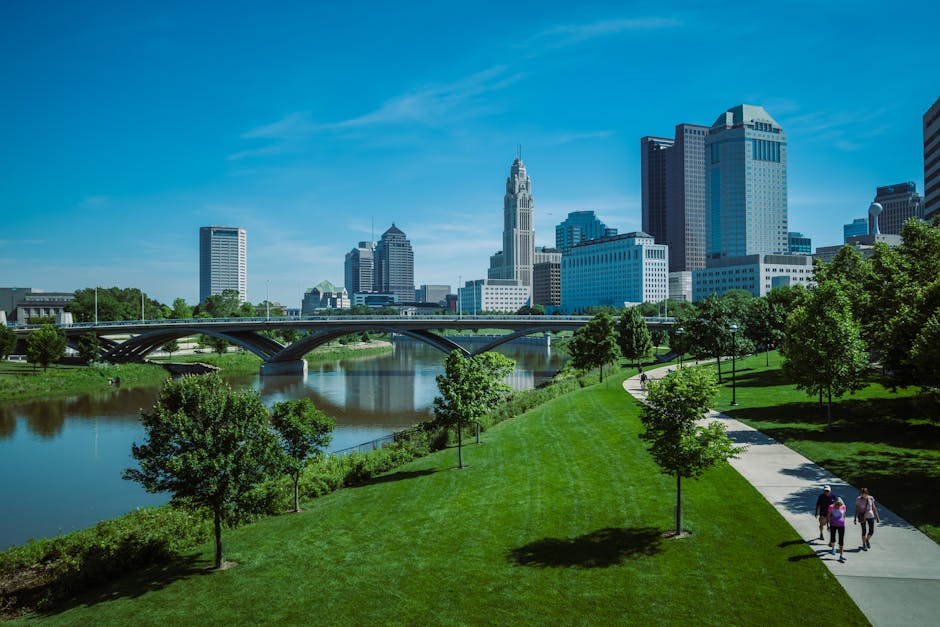
Downtown Columbus centers on the Scioto riverfront and radiates outward from there. During the day and early evening, especially around the Arena District (where the Jackets play), the Short North shops, and along the Scioto Greenways, the atmosphere is bustling and low-risk. I walked these areas freely at 3 p.m. and felt entirely comfortable.
After dark—roughly 10 p.m. onward—the calculus changes. Downtown empties out faster than you'd expect, especially on weeknights. The well-lit blocks near restaurants and bars stay reasonably active until midnight or so, but side streets and the parking-heavy eastern stretches feel noticeably quieter. If you're out late, stick to main drags, use official transit, or call a rideshare rather than walking solo back to your accommodation. This isn't unique to Columbus, but solo travelers should note it.

South Side Neighborhoods: Exercise Real Caution
South Columbus—areas south of Broad Street, particularly stretches like Hilltop and parts of the neighborhoods radiating from there—has documented higher rates of property crime and violent crime according to local police data and resident reports. I didn't venture extensively into these areas on foot, and I wouldn't recommend solo travelers do so, especially at night.
During daylight, some of these neighborhoods are perfectly navigable, and residents go about their daily lives without drama. But as a solo visitor, the risk-reward calculation doesn't favor exploring by foot. If you need to travel south of downtown, use rideshare or the COTA bus system. The bus network is reliable and inexpensive, and you avoid isolation. Don't dismiss South Columbus entirely, but do approach it with more deliberation than you would downtown or the Short North.
East Side: Mixed Blocks, Stay Aware
The east side sprawls considerably, from the Ohio State University area (generally safe and student-friendly) outward to neighborhoods with more variable conditions. Near campus, around High Street and the surrounding residential blocks, the presence of students and foot traffic keeps things fairly secure, even after dark.
Move further east into areas like Kellam, Berwick, and surrounding neighborhoods, and the landscape changes. Some blocks are perfectly fine; others feel distinctly less stable. The problem as a solo traveler is that you can't necessarily tell the difference block to block without local knowledge. Public transit here is lighter than downtown, and walking long distances through unfamiliar residential areas increases your exposure. It's not forbidden, but it requires more intentionality than, say, walking through German Village or the Short North.

Neighborhoods Worth Visiting: German Village, Victorian Village, and the Short North
German Village is the Columbus neighborhood that actually lives up to the "charming neighborhood" reputation. Brick cottages, courtyards, the Scioto riverfront trail, and local restaurants make it feel authentically residential without the transience of downtown. I felt entirely safe walking here alone from morning through evening. The neighborhood has consistent foot traffic, good lighting, and the kind of resident stability that matters for safety. Same applies to Victorian Village just to the north—tree-lined blocks, vintage homes, good bones. Evening walks feel fine here.
The Short North, anchored by High Street between downtown and OSU, is vibrant and commercial. Galleries, bars, restaurants, and vintage shops attract a mix of locals and visitors. It's busy enough that solo travel feels natural, and the vibe is deliberately walkable and curated. This is where you go for the Columbus neighborhood experience that actually matches the marketing.
Transit Smarts: COTA and Rideshare Realities
Columbus's COTA bus system is affordable and comprehensive. During peak hours and early evening, buses are reasonably full, which naturally increases safety through numbers. Late-night buses thin out significantly, though routes do run. If you're using transit after 10 p.m., be alert and aware—this applies anywhere, but Columbus's late-night ridership skews toward people with fewer options, which can create tension.
Rideshare works here and is cheaper than most major cities. Uber and Lyft operate reliably throughout the metro area. If you're going out at night, especially in less familiar neighborhoods, it's the easiest solution. The city isn't dense enough that you're forced to walk long distances between transit stops the way you are in New York or Chicago.
Don't assume you can walk everywhere just because the city feels accessible. Columbus has real geographic spread, and some routes that seem fine on a map feel isolating on foot, especially after dark.
Practical Precautions That Actually Matter
Stay aware of your surroundings during daytime explorations, especially in neighborhoods you don't know. Columbus drivers are generally polite, but jaywalking is common—watch traffic carefully rather than assuming drivers will stop. Keep your phone charged and use offline maps or download routes in advance; connectivity is solid, but prep is smart.
Traveling solo at night, use well-lit main streets or transit. Don't cut through parks or residential shortcuts after dark. If you're meeting locals or going to bars, tell someone where you're headed and when you expect to be back. This is basic safety advice, but it's actually important—not paranoid.
Dress for the neighborhood and weather. Columbus isn't a city where your clothing choices signal wealth the way they do in some metro areas, but reasonable attention to blending in and dressing appropriately for activity and season is always smart.
The Actual Reality: Columbus Is Fine, With Eyes Open
Columbus doesn't require the hypervigilance you'd need in parts of other major cities. People are generally friendly, neighborhoods have character, and solo travel is entirely feasible. The city's biggest weakness is geographic sprawl and dead zones that feel isolating after dark, not active danger.
I came away feeling safer than I'd expected, partly because I stayed in well-established neighborhoods, used transit and rideshare strategically, and didn't test the boundaries of areas that clearly weren't built for solo foot traffic at midnight. That's not paranoia—that's just travel sense.
Spend time in German Village, hit the Short North, walk downtown in daylight, use the Scioto trail system, and eat at the local restaurants that residents actually care about. Avoid isolated walks in underresourced neighborhoods at night. Use transit or rideshare liberally. Columbus will reward that approach with exactly what it promises: a legitimate American city with character and decent food, without the exhausting vigilance that solo travel in some other places demands.