
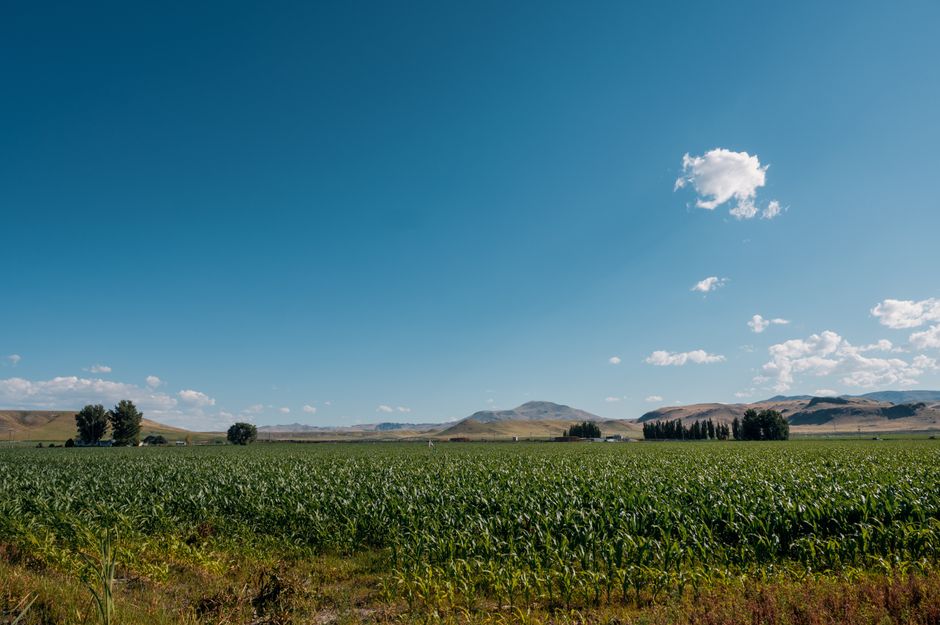
I arrived in Boise on a clear October morning and spent my first three days doing what everyone does—walking downtown, hitting Bogus Basin for the views, grabbing coffee at places whose names I'd forget by the time I left. But Boise isn't really a city that asks you to stay put. Within an hour in any direction, the landscape shifts hard: you can be in mountain terrain, along a wild river, or out on high desert that feels empty enough to make you reconsider your life choices.
The valley's geography is the real story. Boise sits in this bowl ringed by peaks, and once you commit to a drive, you're usually heading toward something worth the fuel. I spent a week testing the routes people actually take, the ones that don't require you to wake up at 5 a.m. or blow an entire day in the car. Here's what worked.
Payette Lake and McCall (90 Minutes North)
McCall sits at about 5,000 feet, enough elevation to make the air feel noticeably cooler and the light sharper than it is in Boise. The drive north on Highway 55 is straightforward and pretty—you're climbing through ponderosa pine and sagebrush, and it doesn't feel tedious.
Once you're there, the lake is the draw. Payette Lake is roughly four miles long, clean water, and in summer it's warm enough to swim without losing your nerve immediately. There's a public beach area where you can park and spend an afternoon, and if you want less company, you can hike the trails that loop around the shoreline. In fall, the aspens around the lake turn that specific gold that makes every photograph look slightly unreal, even when you're trying not to be precious about it. I walked the northern shoreline in October and barely saw another person for two hours.
The town itself isn't large—a main street with restaurants, a bookstore, some gift shops—but it has the feel of a place that's chosen not to explode into a resort town, at least not yet. Ugly Duck Brewery is competent. There are a couple of places to eat that won't disappoint, though McCall isn't a food destination. Winter is obviously heavy here (serious snow), so May through October is your window. Summer weekends draw crowds, so weekdays are better if you have flexibility.
Smith's Ferry and the Payette River Valley (75 Minutes)
Smith's Ferry isn't a destination in the way McCall is. It's a small settlement along Highway 55, and the real appeal is the river and the canyon you drive through to get there. The Payette River is one of Idaho's best, and if you're going to spend an afternoon doing nothing with intention, this is the place.
Take Highway 55 north, and you'll see the river appear alongside the road. There are turnouts and pullouts scattered along the drive. I parked near Smith's Ferry itself and walked down to the river's edge—the water moves fast here, and in spring it's a serious run for rafters and kayakers. Even if you're not running it yourself, watching others navigate it is entertainment. If you want to actually spend time on the water, there are outfitters in the area who run day trips, though you'll want to book ahead in peak season (May–June, when snowmelt makes the water high and cold).
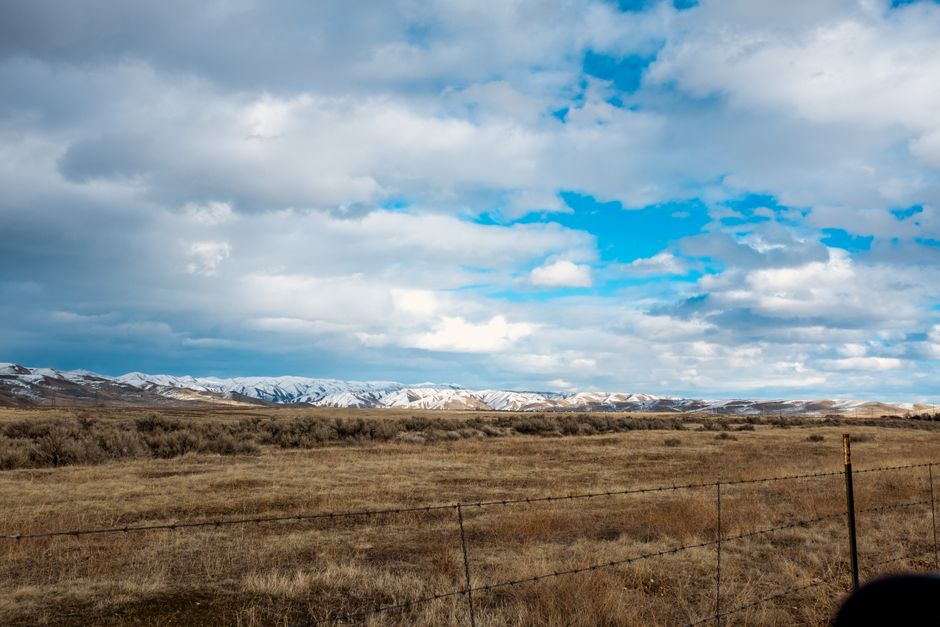
The surrounding terrain is dry pine and granite, nothing like the lusher country up at McCall. It feels more raw. Fall and spring are best; summers get hot down in the valley, and winters can be sketchy because of mountain passes. Late September through early November, or April through May, is ideal.
Bruneau Dunes State Park (90 Minutes Southeast)
This one surprised me. Bruneau Dunes is genuinely unusual—a stand of actual sand dunes in the high desert, with a lake, in the middle of nowhere. It's southeast of Boise, a drive that takes you out of the mountains entirely and into terrain that feels like Utah without quite being Utah.
The dunes themselves are the feature. The main dune is around 470 feet high, and there are hiking paths up and around them. The views from the top stretch out across empty desert, and on a clear day you can see for twenty miles in most directions. There's a small lake at the bottom (Bruneau Lake) where you can fish or just sit and watch the light change. The park has developed camping areas and facilities, so it's not remote-remote, but it feels genuinely separated from Boise's orbit.
I'll be honest: it's not for everyone. If you're looking for dramatic peaks or forest scenery, this reads as barren. But if you like desert light and big sky and the kind of stillness that comes with emptiness, it's worth the drive. Spring (March–May) and fall (September–October) are best; summer is genuinely hot, and winter can be muddy or icy depending on the year. Go on a weekday if you can and time it for late afternoon, when the light on the dunes gets that warm quality you're hoping for.
Cascade and Cascade Lake (75 Minutes North)
Cascade is smaller than McCall and less developed, which is exactly why some people prefer it. The lake is beautiful—deep, cold, surrounded by forest—and the town has the feel of a place where people come to get away rather than to be seen.
The drive from Boise takes you through the same basic corridor as the McCall route, but you peel off earlier and the road gets narrower and quieter. Once you're there, Cascade Lake is the obvious pull. Swimming is possible (it's cold), hiking around the shoreline is good, and there's a campground if you want to stay over. The town itself is maybe a quarter the size of McCall—one general store, a couple of places to eat, not much else. That's the point. If you're burned out on Boise's activity level, this is a reset button.
The drive is passable most of the year, but snow can be heavy in winter, so October through April requires caution or avoidance depending on conditions. Summer is crowded on weekends but relatively quiet mid-week. Late spring and early fall are honestly perfect—warm enough to be pleasant, cold enough in the morning that you want coffee, and the light is already getting that clarity that comes before winter.
Table Rock and the Foothills Loop (45 Minutes)
If you want to stay close and still feel like you've left the city, the foothills loop from Boise is a half-day option that actually works. Table Rock is the obvious landmark—there's a hiking trail that gets you to a point where you look straight down at Boise and out across the valley. The hike is about two hours round-trip, moderate, and popular enough that you won't be alone, but the payoff is real.
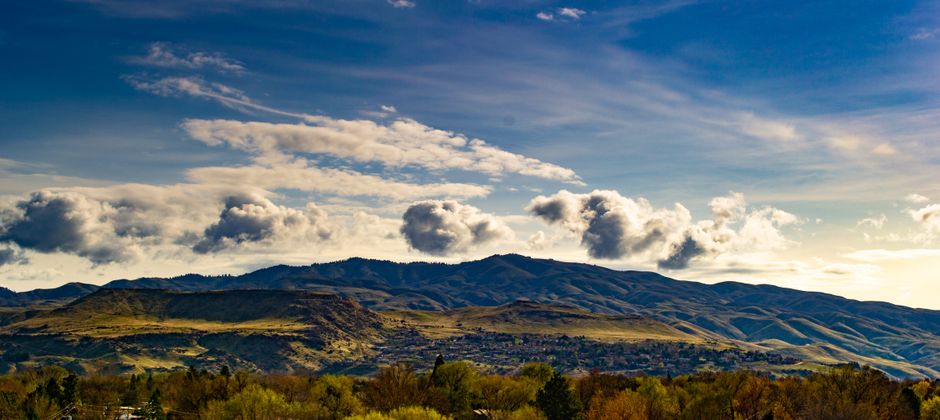
From there, you can loop back through the foothills roads—Bogus Basin Road, Hull's Gulch, roads that wind through ponderosa and sagebrush with views that change with every curve. Stop at a pullout, look around. The difference between being in Boise and being thirty minutes north of it is startling. The elevation change is maybe 2,000 feet, but it feels like more.
This works year-round if you're willing to check road conditions in winter. Summer is crowded on weekends because it's so close. Spring and fall are quiet and perfect. It's not technically a separate town or destination, but it's honest work if you have limited time and want to clear your head before heading back.
Seasonal Strategy and Honest Driving Notes
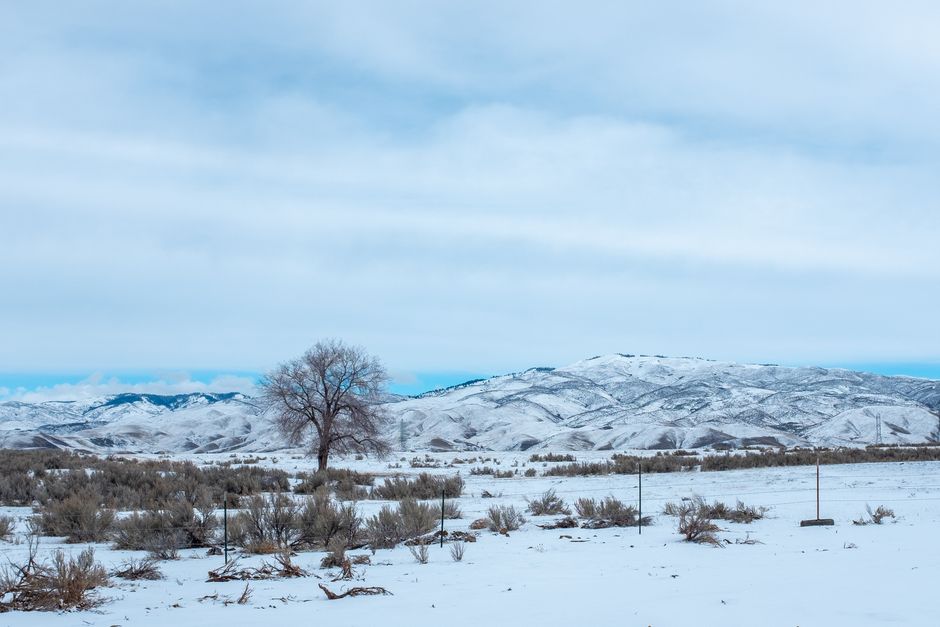
Boise gets real winter. The first three options (McCall, Smith's Ferry, Cascade) all involve elevation and mountain passes that can be sketchy November through March depending on snow and conditions. Before you drive, check conditions reports—the Idaho Department of Transportation keeps their site updated. Chains aren't always required, but they sometimes are. Spring runoff in May and early June makes the Payette River serious and cold; if you're planning a water day, late June onward is warmer and safer. Summer weekends draw traffic and crowds, so if solitude is part of what you're after, go mid-week or plan for September and October instead.
Bruneau Dunes works year-round, but summer heat is real (sometimes over 100 degrees), and the best light for photography is early morning or late afternoon anyway. The foothills loop is your fallback for any season—it's close enough that snow and ice are less of an issue, and it's accessible more days than anywhere else on this list.
Honestly? I drove most of these in October, which I'd argue is the best month. The weather is stable, the crowds are gone, and the light gets this quality that makes everything look intentional. Plan accordingly, bring water, tell someone where you're going, and treat these drives like they matter. They're not long enough to feel like real travel, but they're long enough to clear out whatever you needed clearing.



