I rolled into Fresno on a Thursday afternoon expecting the usual Central Valley sprawl, and that's mostly what I got—a mid-sized city that doesn't get much press but keeps its own rhythm. The thing about Fresno is that it's neither the disaster some people describe nor the problem-free place boosters want to claim. It's a real city with real neighborhoods, some thriving, some struggling, and like most places over 500,000 people, it requires a little street sense.
I spent two weeks moving around on foot and by transit, talking to residents and local business owners, and paying attention to where people actually spend their time. The safety conversation here isn't complicated: certain areas warrant caution, especially after dark or on unfamiliar routes. But "caution" doesn't mean "avoid"—it means being deliberate about when and how you move through the city.
Here's what I learned, stripped of the hype.
Downtown and the Surrounding Core
Downtown Fresno has been working on its comeback for years, and you'll see genuine progress along Fulton Street and near the convention center during business hours. Coffee shops, galleries, and restaurants are real, and during the day the foot traffic is normal. People work here. That said, the blocks around the main corridor—particularly a few blocks north and east of the downtown core—show the wear that comes with concentrated poverty and limited economic mobility.
The Fresno Police Department's own crime data reflects what residents will tell you: property crime and theft happen in pockets downtown, more so after 7 p.m. I wouldn't walk alone through the quieter blocks after dark, even if you're only going two streets over. Use rideshare or stick to the main commercial stretches that stay lit and populated. During the day? You're fine. I had coffee at multiple places, walked to the Fresno Art Museum, and didn't feel unsafe. Just don't linger in empty parking lots or unlit side streets when evening hits.
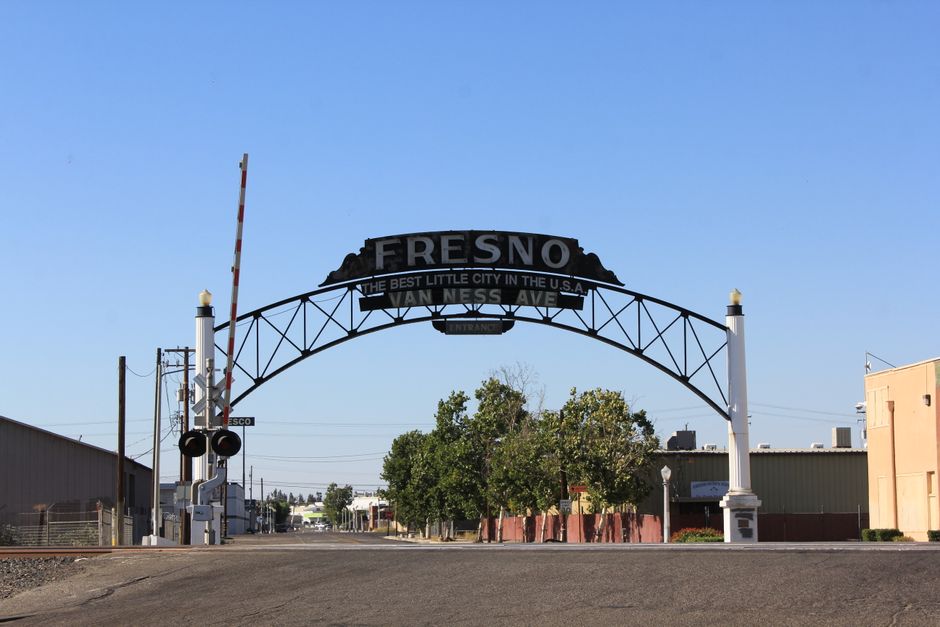
Southwest Fresno and South of Highway 99
This is the area where you'll hear the most caution from locals, and it's worth taking seriously. Large sections south of Highway 99 and southwest of downtown have been dealing with gang activity and related violence for decades. It's not new, it's not unique to Fresno, and it's well-documented in police reports. The neighborhoods aren't inherently dangerous to pass through—people live, work, and go about their lives there—but they're not places where a solo traveler should be wandering without a specific reason and a good sense of where you're going.
If you're staying downtown or in north-central Fresno, there's no reason you'd naturally end up in these areas. They're residential and not where the tourist infrastructure or cultural attractions cluster. If you're using a navigation app and it suggests a route through unfamiliar southwest neighborhoods, take a different way. Use rideshare after dark. Stick with main roads like Blackstone or Cedar if you need to traverse south. Most of your time will naturally keep you in safer, better-lit parts of town.
North Fresno and Near the Clovis Border
North Fresno, particularly closer to Clovis and in neighborhoods around River Park, is considerably safer and where you'll find more established, middle-class residential areas and commercial districts. If you're driving or using rideshare, North Fresno is where you can be more relaxed about timing and route choices. It's also where some of the better restaurants and shopping are concentrated, including around Cedar and Hermes.
That said, even here, the usual city rules apply: don't leave valuables visible in your car, stay aware of your surroundings at night, and don't count on being able to walk everywhere—Fresno is a car city, and North Fresno especially is spread out. I found the neighborhoods pleasant and walkable in daytime hours, with good foot traffic and visible residents. But sunset marks a real shift in how you should navigate. After dark, drive or rideshare.

Practical Safety Habits That Actually Work
Most of Fresno's neighborhoods are safe during daylight hours if you're paying attention—which you should be in any city. Walk with purpose, keep your phone secured, don't advertise expensive gear or jewelry, and vary your routes if you're spending more than a day or two. I did a lot of walking in the daytime without issue by simply not looking lost and keeping aware of who was around me.
Rideshare works well in Fresno and is reasonably priced. I used it consistently after 6 or 7 p.m., even for short distances, and never regretted it. The wait times are usually under 10 minutes in central areas. Fresno's transit system (FAX) is functional but sparse compared to larger cities—buses run, but frequencies aren't high and late-night coverage is limited. Plan your transit time accordingly, especially if you're moving around in evening hours.
If you're driving a rental, park in well-lit spots and don't leave anything visible in the car. Break-ins happen, as they do everywhere. Use parking garages where available—the downtown convention center area has decent garage parking. Main commercial streets like Fulton, Olive, and Herndon are fine for evening parking and walking.
Where to Actually Spend Your Time
Fresno's actual attractions cluster in relatively safe, walkable zones. The Fresno Art Museum and Forestry Services Building area is pleasant and well-maintained. The Tower District, east of downtown around Olive Avenue, is genuinely nice—locally owned shops, restaurants, and cafes with good daytime activity. The Woodward Park area is fine for walking and picnicking. The Fig Garden Loop has established residential streets and parks worth exploring during daylight.
If you're looking for evening activity, the downtown corridor along Fulton has restaurants and entertainment venues that draw crowds and maintain better lighting. Chain restaurants and bars operate in north Fresno in clusters—you'll feel the difference in foot traffic and general commercial energy. These aren't exciting neighborhoods, necessarily, but they're safe places to spend an evening.
The river paths near Woodward Park and the various parks scattered through north Fresno are good for daytime walking. Just be practical: don't walk them alone at twilight or after dark. Fresno's not set up like Portland or Sacramento for evening pedestrian culture—it's a daytime walking city with evening driving.

Staying Aware Without Staying Scared
The honest truth is that Fresno has real socioeconomic challenges and real crime issues tied to those challenges. It's not imaginary. But it's also not a place where random tourists get caught up in violence. The crime that gets attention in police reports is mostly concentrated, related to specific situations, and avoidable by using standard urban sense.
Stay out of southwest neighborhoods you have no reason to visit. Don't walk alone after dark in unfamiliar areas, especially near downtown. Use rideshare when in doubt. Park smart and don't leave valuables visible. Keep the usual city awareness—phone secure, awareness of who's around you, trusting your gut if something feels off.
Beyond that, Fresno is navigable and worth your time. The people are friendly, the food is good, and large parts of the city function normally. You're not taking any unusual risk by visiting.
Talking to Locals and Getting Current Info
Your hotel staff or the staff at any restaurant will give you straight answers about what's safe and what isn't. They live here and they know the real conditions on the ground. Ask them where they go in the evening, what routes they take, which neighborhoods they'd suggest for walking. You'll get honest answers that beat any guidebook.
Fresno's own city website has some resources, and the Fresno Police Department publishes crime statistics that are worth reviewing if you want specifics. Local subreddits like r/fresno are useful for getting current resident perspective, though like all Reddit threads, take the tone with a grain of salt. The negativity bias is real.
Bottom Line
I left Fresno having moved around the city without incident, found decent food and coffee, and got a feel for a place that's not in travel magazines but functions as a real American city. There are areas you shouldn't wander into unprepared, times of day you shouldn't be out alone, and common-sense precautions you should take. But none of that made me feel like I was taking unusual risk. It made me feel like I was being a responsible adult in a city with real geography and real neighborhoods. That's the right baseline.