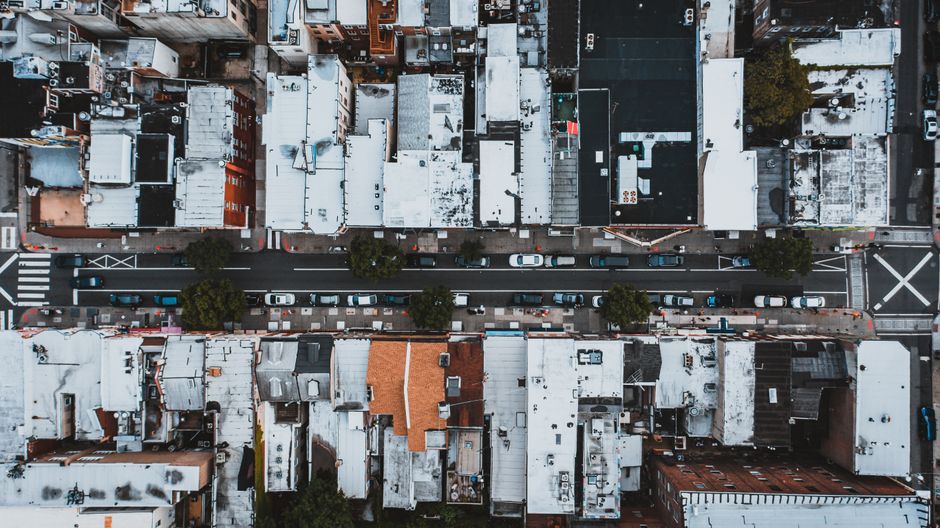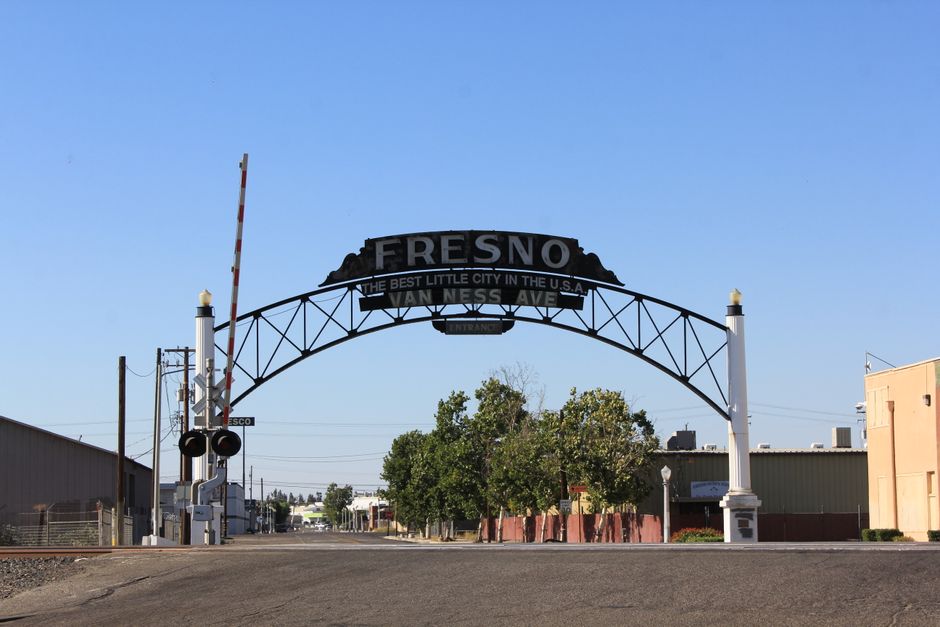
I rolled into Fresno on a Wednesday afternoon expecting the usual Central Valley experience—agricultural, sprawling, not much reason to linger. But I'd made the mistake of only researching the obvious stuff, the attractions that show up first in any search result. Within a few days, I realized that Fresno rewards the kind of traveler willing to skip the obvious and ask locals where they actually spend their time. What follows is less a definitive ranking and more a personal reckoning with what worked and what didn't.
Fresno gets a lot of drive-through treatment. People pass through on I-99 between San Francisco and Los Angeles. That's understandable—the city isn't scenic in the way of Yosemite or the coast. But there's a difference between a town that's not photogenic and a town with nothing to do. Fresno falls closer to the latter reputation than the reality deserves.
The Overrated Circuit
Let's start with Forestiere Underground Gardens. Yes, it's unique—a system of tunnels dug by hand in the early 1900s, air-conditioned caverns below a regular neighborhood. The concept is genuinely interesting. But the actual tour experience feels cramped, poorly lit despite the claims, and honestly a bit claustrophobic for the price. You're shuffled through with a group, you see a lot of passages that look more or less the same, and the historical narrative doesn't quite justify the cost or the hype it gets from travel blogs.
The Fresno Chaffee Zoo occupies a similar space in the local tourism hierarchy—it's large, it's well-maintained, and it's the kind of place locals take their kids on weekends. Nothing wrong with that. But as a solo adult traveler, I found it standard. The animals are fine. The grounds are pleasant enough. But if you've seen any mid-size metropolitan zoo, you've seen the essence of this one. It doesn't have the specialized collections or architectural distinction that would make it worth traveling for.
Downtown's Glossy Reputation
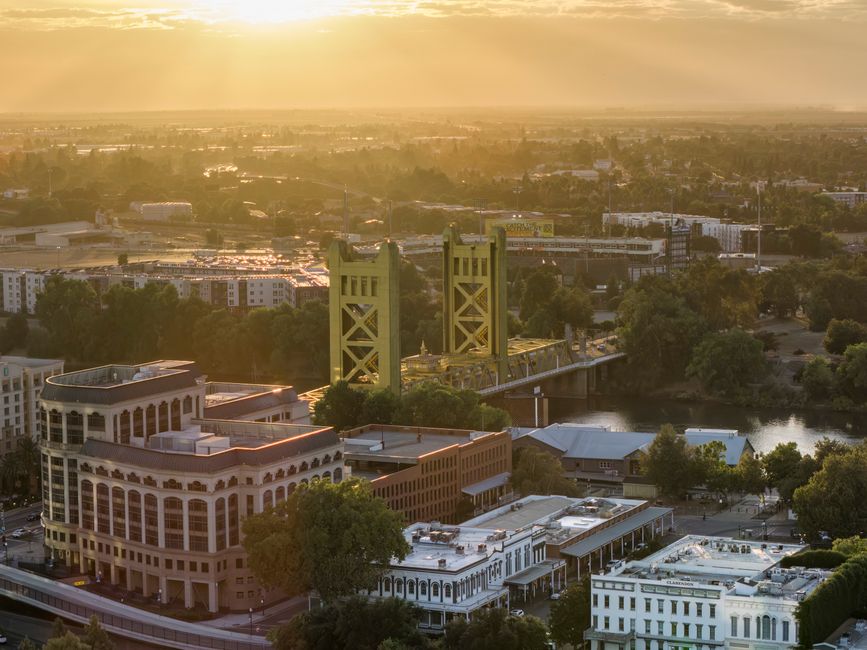
The downtown revitalization effort deserves respect in principle. There's new money going into Fulton Street, the theater district is seeing investment, there are galleries and coffee shops where there weren't before. That's genuinely good for Fresno. But the reality on the ground is that downtown still feels tentative, fragmented. You'll find genuinely good restaurants and bars scattered throughout the area, but you're walking between them on streets that haven't fully shed their empty feeling. It's less "vibrant urban core" and more "we're working on it."
I mention this not to be harsh but because the online narrative around downtown Fresno sometimes oversells it as a destination unto itself. It's a neighborhood worth visiting if you're staying in the city, not a reason to visit the city.
What Actually Works: The Hidden Stuff
The Sequoia National Museum doesn't get nearly the attention it deserves. Located in Visalia, about an hour south, it focuses on the natural and cultural history of the Sierra Nevada and the surrounding region. The exhibitions are thoughtfully done, not flashy but genuinely informative. I spent two hours there and learned more about the geology and indigenous history of the area than I expected. For a regional museum, it punches above its weight. It's not crowded because it's not on the typical tourist radar, which means you actually get to linger with exhibits.
But there's also good stuff much closer. The Fresno Metropolitan Museum, quietly situated downtown, has rotating exhibitions that range from contemporary art to historical displays. I caught a photography series while I was there that wouldn't have been out of place in a major city. The catch is that it's small, easy to miss, and doesn't have the draw of larger institutions. That's precisely why it's worth going.
Food Worth the Trip
If there's one reason to actually spend time in Fresno rather than just pass through, it's the food. The city's agricultural heritage and diverse immigrant populations created a genuine food culture that the typical travel guide barely acknowledges.
The Armenian restaurants along Van Ness Avenue and in the surrounding neighborhoods are legitimate. I'm not talking about casual lunchboxes—though those exist too. Places that take their cooking seriously, serving complex dishes that require actual technique. If you have even a passing interest in Armenian cuisine, Fresno is one of the best places in California to eat it. The concentration here is real, and the quality is often excellent. These aren't trying to be trendy or Instagram-friendly. They're just good.
The Mexican food scene is equally strong, but also not particularly novel to mention. What's more interesting is the Laotian and Southeast Asian presence. There are several restaurants run by communities that settled in Fresno decades ago, still cooking for their communities, and these places almost never show up in travel roundups. The food is genuine and often exceptional. You'll pay less than you would in coastal California cities and eat better than at most "ethnic cuisine" restaurants that cater to tourists.
Parks and Quiet Spaces
Woodward Park is probably Fresno's best outdoor option, a sprawling area with walking trails, gardens, and water features. It's popular locally because it's actually nice—well-maintained, with enough acreage that it doesn't feel cramped even when there are people around. I went on a weekday morning and had long stretches to myself. The Japanese garden section is pleasant, and the design encourages walking rather than just sitting.
Less known is the Fresno Flats area south of the city. It's not a single destination but rather a collection of agricultural landscapes, small towns, and rural routes. If you have a car and a couple of hours, driving through this area gives you an actual sense of what the Central Valley is and why it matters economically. You'll see almond orchards, cotton fields, pecan groves. It's not aesthetically dramatic, but it's honest. And there's something clarifying about spending an afternoon understanding the agricultural reality of a place rather than consuming its packaged attractions.

The Reasonable Expectation
The real issue with Fresno isn't that there's nothing to do. It's that Fresno isn't set up as a tourist destination, so the tourism industry's attempts to repackage it often fall flat. The city works better as a place to actually spend time—eat in the neighborhoods, walk downtown in the late afternoon, visit the art museums on their own terms—than as a collection of attractions to check off.
If you're passing through on I-99, don't detour for Forestiere Gardens or the zoo. They're not bad, just not worth the time commitment for a visitor. Instead, eat well, walk around, and get a sense of what Fresno actually is. That's more interesting than what anyone's trying to sell you about it.
Logistics Worth Knowing
Fresno is easy to navigate by car, which is how most visitors experience it. Downtown is gridded and walkable if you're staying there. The neighborhoods worth visiting—the restaurant districts, the cultural institutions—are spread out, so you'll probably be driving between them.
Timing matters. Fresno summers are brutal, often pushing 100 degrees by July. The off-season—roughly October through April—is genuinely pleasant. The city sprawls enough that you won't feel crowded even during decent weather.
If you're coming from the coast or the mountains, adjust your expectations. Fresno is not a destination that sells itself on beauty or novelty. It's a place where understanding what's actually there—the people, the food, the agricultural context—matters more than hitting predetermined spots. That's either deeply appealing or completely uninteresting depending on what you're looking for.