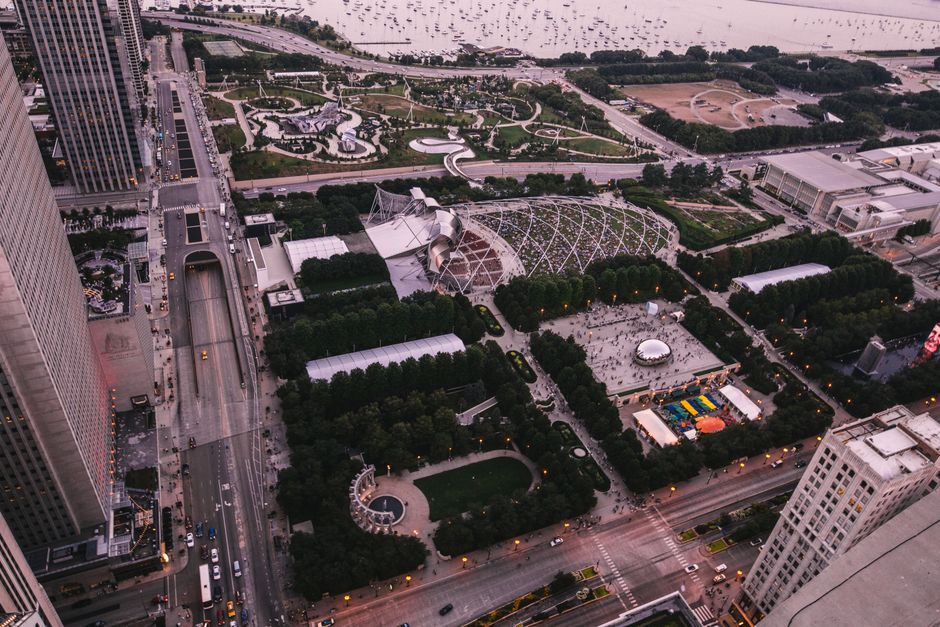
I've walked the Millennium Park loop enough times to count the selfie sticks, and yeah, it's impressive. But after a few days of dodging tour groups on Michigan Avenue, I started wandering into the neighborhoods where actual Chicagoans spend their time. That's when the city started making sense—not as a postcard, but as a real place with weird corners, small museums nobody talks about, and parks where you can actually hear yourself think.
Most visitors stick to the obvious circuit: Navy Pier, the Bean, the Art Institute. None of that's bad, exactly. But Chicago's real character lives a few blocks off the main drag, in spots that don't have gift shops or Instagram hashtags. I'm talking about the kind of places where you'll end up talking to someone at a coffee counter who actually knows the neighborhood's history. That's what I found when I got lost on purpose a few times.
Garfield Park Conservatory
This one's a stunner, and I say that as someone who's not naturally drawn to botanical gardens. The Garfield Park Conservatory sits on the West Side, free to visit, and it's like walking into a Victorian fever dream—a massive glass palace filled with ferns, orchids, and tropical plants that have no business existing in Illinois. On a gray Chicago day, stepping inside feels like a small act of rebellion against the weather.
The conservatory spans four acres under glass, and it's genuinely quiet. You'll pass a handful of other visitors, maybe someone sketching in a corner, but mostly you're alone with the plants and the humidity. The design itself is worth the time—the architecture from the 1890s is this perfect mix of engineering and theater. There's no café, no merchandise beyond postcards, just the plants and the space they're given to exist in. Getting there requires a bit of navigation on the Red Line, but that's part of what keeps it from being overrun.
Lacuna Lofts and the Pilsen Art Scene
Pilsen has been gentrifying for years, so I'm careful saying "hidden gem" about it. But most tourists never make it south of the Loop, which means they miss the actual art community still rooted here. Lacuna Lofts is a converted warehouse that houses artist studios, galleries, and a Mexican restaurant—it's the physical heart of what's left of the neighborhood's creative backbone.
You can walk through open studios on certain weekend hours and watch painters and sculptors working in real time, not as performance but as actual job. The space feels less polished than Navy Pier's aesthetics, more like how art-making actually happens: concrete floors, weird angles, work hanging on wire. The restaurant inside does solid food, but honestly the real reason to come is to see what's being made and to understand that Chicago's art world isn't just the major museums. It's also this, in a converted factory on the South Side.
Promontory Point and the 57th Street Beach
I found this spot by getting off at the wrong stop on the Metra. Promontory Point sticks out into Lake Michigan on the South Side, and it's got a rocky breakwater, a small beach, and a semicircular shelter designed in the 1930s that looks like something from a WPA-era movie. Almost nobody goes here. There's no parking hassle, no crowds, just lake and sky and the occasional person fishing off the rocks.
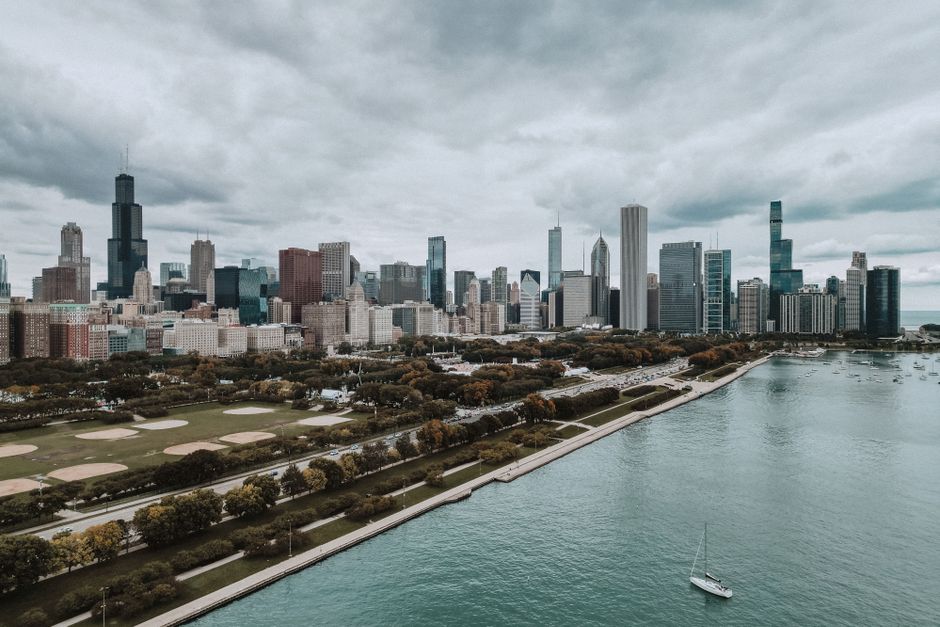
The view back toward downtown is clean and distant—you can see the skyline but you're not in it, which somehow makes it easier to actually look at. The shelter itself is worth sitting in for ten minutes, just to get a sense of how Chicago imagined public space nearly a century ago. It's a neighborhood spot, not a tourist destination, which is exactly why it matters. The 57th Street Beach is right there too, calmer than the crowded lakefront up north, with actual locals reading books and taking swims in summer.
Midland Clearing House Museum
This is the kind of place where you walk in and the person at the desk seems genuinely surprised to see you. The Midland Clearing House Museum occupies a historic building on North Avenue and documents Chicago's financial history—not glamorous on the surface, but fascinating if you care about how cities actually work. It's small, free, and almost nobody knows it exists.
The building itself is a 1910s masterpiece of Chicago banking architecture, all marble and detail. The exhibits walk through the clearing house's role in moving money in and out of the city, which sounds dry until you realize you're learning about the infrastructure that made Chicago run. There's original correspondence, mechanical sorting systems, photographs of the clerks who did the work. It's the kind of museum that makes you understand that every city is built on systems most people never think about. Spend an hour here instead of forty minutes in a gift shop, and you'll actually know something about Chicago when you leave.
Humboldt Park Lagoon and the Puerto Rican Community
Humboldt Park itself gets some visitor traffic, but most people stick to the main path along the water. The real neighborhood happens in the blocks surrounding it—Milwaukee Avenue and Division Street, where Puerto Rican restaurants and shops have held on through decades of neighborhood change. This isn't a theme-park version of another culture; it's an actual community that's been here for seventy years.
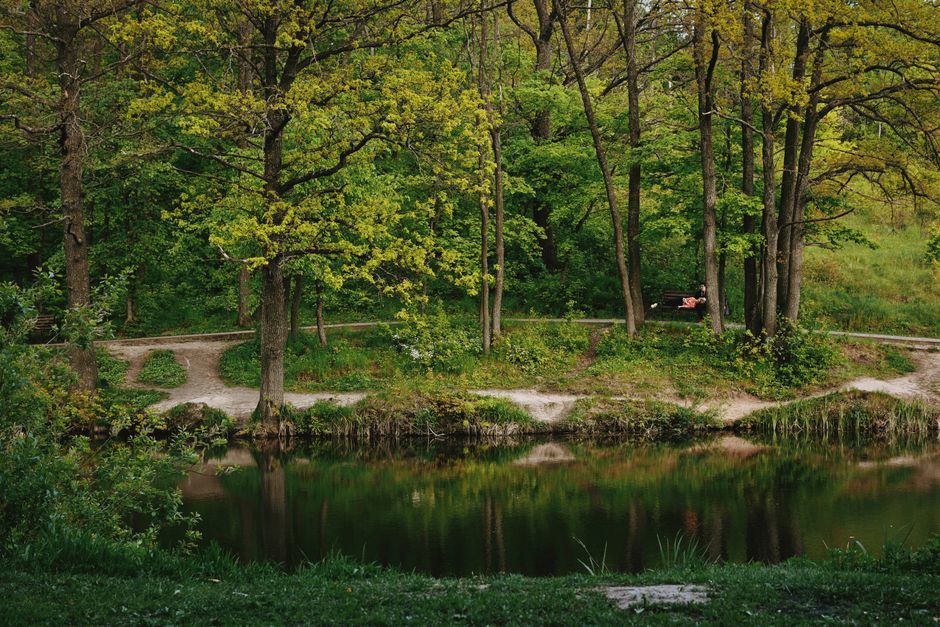
Walk the lagoon's edges early in the morning and you'll see fishermen, couples, people doing tai chi. It's notably quieter than the tourist parks, and the surrounding neighborhood has character that didn't come from a branding consultant. Stop at one of the restaurants on Division for breakfast, buy coffee at a small café, look at the murals that actually reflect the neighborhood rather than art-for-art's sake. The park itself is green and walkable, and the whole area has this lived-in feeling that matters. You're not a guest here in the way you are at Navy Pier; you're just another person moving through a neighborhood.

Driehaus Museum
The Driehaus Museum is in a Gilded Age mansion on the Gold Coast, and while it's not completely undiscovered, it doesn't get the crowds of the big museums. It's a house museum—meaning you're walking through rooms that were actually lived in, filled with period furniture, art, and objects that tell you something about wealth and taste in early 1900s Chicago.
The experience is intimate in a way the Art Institute can't be. You're moving through actual rooms with actual ceilings and fireplaces, not gallery spaces that were designed to hold paintings. The collection leans into decorative arts and design, which means it tells a different story than paintings alone would. The staff is knowledgeable without being stiff, and tours are small. It costs money to get in, but it's less crowded and more focused than you'd expect from a museum in such a prominent neighborhood.
Why Wander Off the Main Path
Chicago's famous for its skyline and its architecture, and yeah, those things are real and worth seeing. But the city makes more sense once you understand that it wasn't built by committees. It was built by neighborhoods, by people who needed things, by industries and immigrants and artists who chose to stake their ground here. The spots that tourists miss aren't hidden because they're secret—they're quiet because they're not performing for visitors.
They're just places where Chicago people do Chicago things. That's what made me actually stay more than three days.
Frequently Asked Questions
What are the least crowded parks in Chicago for tourists
Promontory Point on the South Side and Humboldt Park Lagoon are both quieter than the main lakefront areas, with fewer crowds and a more local feel. Garfield Park Conservatory is also uncrowded because it requires a bit more effort to reach. All three offer the same natural scenery without the tour group density.
Are there small museums in Chicago worth visiting besides the big ones
Yes—the Driehaus Museum offers Gilded Age mansion rooms with smaller crowds, and the Midland Clearing House Museum is free and fascinating if you care about Chicago's financial history. Both are lesser-known and give a different perspective than the major institutions. Lacuna Lofts galleries on the South Side also showcase working artists if you're interested in contemporary art outside the main museum system.
Where do locals actually go in Chicago off the tourist path
Pilsen's Lacuna Lofts, Humboldt Park's lagoon and surrounding Puerto Rican neighborhood, and the Promontory Point breakwater are all local spots. North Avenue's Midland Clearing House area and the smaller lakefront beaches like 57th Street are also where Chicagoans spend time rather than places built primarily for visitors.
Is it safe to visit Chicago neighborhoods like Pilsen and Humboldt Park
Both neighborhoods are actively lived-in community areas with long histories. Like any urban neighborhood, common sense applies—visit during daylight hours, stick to main commercial streets, and avoid displaying valuables. The areas mentioned here are where locals spend time regularly and are generally safe during daytime and early evening.
Which spot would you check out first?