
What the Indiana Cannabis Town Hall Is All About
The Indiana cannabis town hall educates Hoosiers on marijuana science and its uses in a way that moves beyond political talking points and into practical, evidence-informed discussion. These community-driven events bring together healthcare professionals, policy advocates, educators, and everyday residents to explore what cannabis actually is, how it works in the human body, and what the ongoing national conversation means for Indiana specifically.
Table of Contents
- What the Indiana Cannabis Town Hall Is All About
- Why Indiana Needs Cannabis Education Events
- The Science of Marijuana: What Town Hall Speakers Typically Cover
- Medical Uses of Cannabis: What the Current Evidence Shows
- Public Safety and Social Equity: Topics That Go Beyond the Lab
- How to Participate in an Indiana Cannabis Town Hall
- What Indiana Residents Are Saying
- Indiana's Legal Landscape and What Could Change
- Conclusion
- Frequently Asked Questions
Indiana remains one of the stricter states regarding marijuana laws, making public education forums especially significant for residents who may feel left out of a broader national shift. Whether attendees are curious, skeptical, or strongly opinionated, town halls provide a structured space for questions and honest answers.
- Key Takeaways
- Indiana cannabis town halls focus on science-based education rather than purely political debate.
- Speakers typically include medical professionals, researchers, and community advocates.
- Topics covered range from the endocannabinoid system to medical applications and public safety.
- Indiana’s current legal framework contrasts sharply with many neighboring and coastal states.
- Residents leave better equipped to engage in informed civic conversations about cannabis policy.
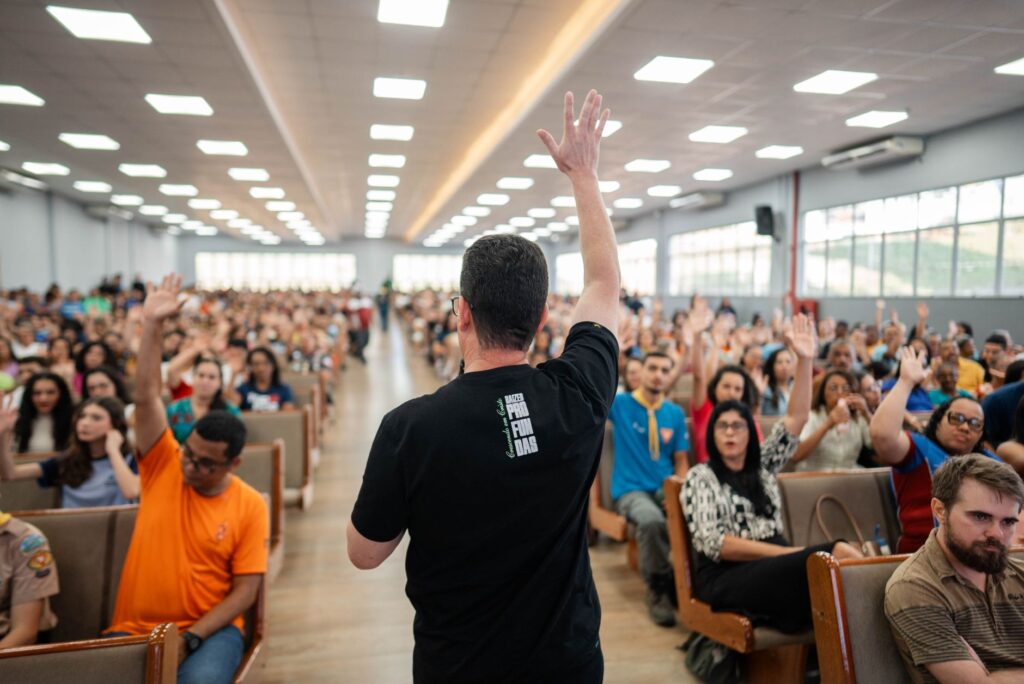
Why Indiana Needs Cannabis Education Events
Indiana has not legalized recreational or medical marijuana, yet a significant portion of Hoosiers report having tried cannabis or knowing someone who uses it. This gap between lived experience and legal reality creates confusion, stigma, and a lack of reliable information in communities across the state.
Town halls step in to fill that void. Rather than relying on decades-old anti-drug messaging or social media misinformation, these events offer residents access to current, peer-reviewed understanding of how cannabis affects the body and brain. They also help attendees understand what neighboring states have done — and what those outcomes have looked like so far.
For example, debates around whether marijuana legalization is causing more car accidents in Colorado often come up at Indiana forums, helping residents weigh real-world policy outcomes rather than assumptions.
The Science of Marijuana: What Town Hall Speakers Typically Cover
A central goal of these educational events is demystifying the biology of cannabis. Most attendees arrive with little understanding of how marijuana interacts with the human body beyond a surface-level sense that it “gets you high.” Town hall speakers usually break this down in accessible terms.
The Endocannabinoid System
One of the most important concepts introduced at cannabis education events is the endocannabinoid system (ECS). The ECS is a biological network of receptors found throughout the brain, nervous system, and immune system that plays a role in regulating mood, sleep, appetite, and pain. Cannabis compounds — primarily THC and CBD — interact with this system in different ways.
THC binds to receptors in a way that produces psychoactive effects, while CBD tends to have a more modulatory influence without causing a high. Understanding this distinction helps Hoosiers separate fact from fiction when evaluating cannabis claims in the media or from neighbors.
THC vs. CBD: Key Differences
A common area of confusion is the difference between THC (tetrahydrocannabinol) and CBD (cannabidiol). Town halls typically explain that while both come from the cannabis plant, they have very different effects and legal statuses in many jurisdictions. CBD derived from hemp is federally legal and widely sold in Indiana, while THC remains controlled under state law.
Speakers often address why some people report therapeutic benefits from CBD products for issues like anxiety or inflammation, while noting that the scientific evidence base is still developing and that not all claims made by retailers are supported by clinical research.
Medical Uses of Cannabis: What the Current Evidence Shows
One of the most attended segments of any Indiana cannabis town hall is typically the discussion of potential medical applications. Attendees frequently include patients managing chronic conditions, caregivers, and healthcare workers seeking to understand what their patients may be using or asking about.
Conditions With Documented Research
Areas where cannabis research is most developed include certain forms of epilepsy, chemotherapy-induced nausea, and multiple sclerosis-related spasticity. In fact, a CBD-based medication for specific severe seizure disorders has received FDA approval, which speakers often reference to ground the conversation in regulatory reality rather than anecdote.
For other conditions — including chronic pain, anxiety, and PTSD — the research landscape is more nuanced, with some promising findings but also methodological limitations. Town halls present this complexity honestly rather than overselling cannabis as a cure-all or dismissing all interest in it.
What Medical Marijuana Programs in Other States Look Like
Indiana does not have a medical marijuana program, but town hall presenters often walk attendees through how neighboring states structure theirs. This includes the licensing of dispensaries, the qualifying conditions for patients, and the role of healthcare providers in certifying patients for access. Understanding these frameworks helps Hoosiers think concretely about what a potential Indiana program might look like if the legislature were to act.

Public Safety and Social Equity: Topics That Go Beyond the Lab
The Indiana cannabis town hall educates Hoosiers on marijuana science and its uses — but it doesn’t stop there. Responsible town halls also address public safety concerns and the social dimensions of cannabis policy, which are just as important as the chemistry.
Driving and Cannabis Impairment
One of the most serious public safety conversations involves driving under the influence of cannabis. Unlike alcohol, there is no universally accepted roadside test for cannabis impairment, making law enforcement and policy more complex. Presenters typically explain what research currently shows about impairment timelines and why this is an active area of ongoing scientific inquiry.
Understanding these real-world challenges is important context for any policy conversation, as discussions about outcomes in legalized states — such as traffic safety data — are often cited by both proponents and opponents of reform.
Social Equity and Criminal Justice
Cannabis prohibition has not been enforced uniformly across Indiana communities. Town halls often include discussions about disparate enforcement patterns and what expungement policies or equity provisions in legalization frameworks are designed to address. This helps residents see cannabis policy as a matter of fairness, not just science or medicine.
How to Participate in an Indiana Cannabis Town Hall
If you’re interested in attending one of these educational events, there are several practical steps you can take. Organizations hosting cannabis town halls in Indiana often include public health nonprofits, university extension programs, civic groups, and state advocacy organizations. Checking local event listings, university public calendars, and advocacy group websites is a good starting point.
- Search for events listed by Indiana-based public health organizations or universities.
- Look for events co-hosted by medical professionals to ensure scientific credibility.
- Prepare questions in advance — organizers often collect them before the event to ensure thorough coverage.
- Check if a recording or summary will be made available if you cannot attend in person.
- Consider attending with someone who holds a different view — these events are designed for respectful dialogue.
What Indiana Residents Are Saying
Attendees at cannabis education events in Indiana frequently report that the experience changes how they think about the issue — not necessarily moving them to one political position or another, but giving them a more grounded foundation for their views. Many say they arrived expecting a political debate and left with a better understanding of biology, medicine, and the complexity of policy trade-offs.
Community members with personal connections to the issue — such as veterans managing pain, parents of children with epilepsy, or individuals with prior drug convictions — often describe these forums as among the few spaces where their experiences are heard alongside scientific evidence. That combination of lived experience and research-informed discussion is what distinguishes a well-run town hall from a campaign rally or a sales pitch.

Indiana’s Legal Landscape and What Could Change
As of now, Indiana law prohibits recreational and medical marijuana. Hemp-derived CBD products occupy a different legal category and are widely available. Legislative discussions about cannabis reform have occurred in Indianapolis, but no major changes have passed as of recent sessions.
Several factors could shift this in coming years, including neighboring state policies, evolving federal law, and growing public support for at least medical access. Town halls play a role in shaping that public conversation by giving residents the tools to engage meaningfully with their legislators and vote on the issue with a clearer understanding of what they’re supporting or opposing.
Frequently Asked Questions
What topics are typically covered at an Indiana cannabis town hall?
Indiana cannabis town halls usually cover the science of how marijuana affects the body, including the endocannabinoid system, as well as medical applications, public safety concerns, and Indiana's current legal status. Speakers often include physicians, researchers, and policy advocates. Social equity and criminal justice issues are also commonly addressed.
Is marijuana legal in Indiana for medical or recreational use?
As of recent legislative sessions, Indiana has not legalized marijuana for either medical or recreational use. Hemp-derived CBD products with low THC content occupy a different legal category and are widely available in the state. Legislative discussions continue, but no major cannabis reform has passed into law.
What is the endocannabinoid system and why does it matter for understanding cannabis?
The endocannabinoid system is a network of receptors found throughout the brain and body that helps regulate functions like mood, sleep, pain, and appetite. Cannabis compounds like THC and CBD interact with this system, which is why marijuana can produce such varied effects. Understanding the ECS helps people evaluate cannabis claims more critically.
How is CBD different from THC in terms of effects and legality in Indiana?
THC is the primary psychoactive compound in cannabis and remains illegal under Indiana law, while CBD derived from hemp is federally legal and widely sold in Indiana without a prescription. CBD does not produce a high but is being studied for various potential therapeutic effects. The scientific evidence for CBD's benefits varies considerably depending on the condition.
How can Hoosiers find and attend a cannabis education town hall in Indiana?
Indiana residents can find cannabis education events through public health nonprofits, university extension programs, and advocacy organizations operating in the state. Checking local event calendars and organizational websites is the best starting point. Many events also offer recordings or written summaries for those who cannot attend in person.
Conclusion
The Indiana cannabis town hall educates Hoosiers on marijuana science and its uses in a way that few other forums achieve — by combining medical expertise, policy context, public safety data, and community voice. For a state where the legal and political conversation around cannabis is still very much evolving, these events serve a vital civic function.
Whether you’re a patient seeking information, a parent trying to understand what your teenager might encounter, or simply a curious Hoosier wanting to form an informed opinion, attending or following the output of a cannabis town hall is one of the most practical steps you can take. Staying educated is the foundation of meaningful participation in any policy debate — and on cannabis, Indiana’s conversation is far from over.
For broader context on how cannabis policy intersects with public safety in other states, reviewing discussions around marijuana legalization and traffic safety in Colorado offers useful comparative data. And if you’re exploring community issues beyond cannabis, resources on finding family-friendly neighborhoods highlight how civic context shapes quality of life in tangible ways.