
I arrived in Phoenix in July—a decision I immediately regretted. The thermometer hit 118 degrees on my second afternoon, and I realized why locals kept mentioning that escape routes mattered out here. Phoenix is built for winter visitors and summer hiders. But what I didn't expect was how easy it actually is to get out. Within an hour's drive, the landscape transforms. The saguaros give way to ponderosa pines. The air gets breathable again. Once I figured out the geography, I stopped thinking of Phoenix as a trap and started thinking of it as a hub.
The good news: the best day trips from Phoenix are legitimate escapes, not 45-minute drives to a strip mall. I'm talking about places where you can hike, eat well, wander galleries, and actually cool off. Most fall within that sweet 1- to 2.5-hour window, which means you can leave in the morning, do something meaningful, and be back for dinner. Here's what I found actually worth the drive.
Sedona: The Popular Choice (About 2 Hours North)
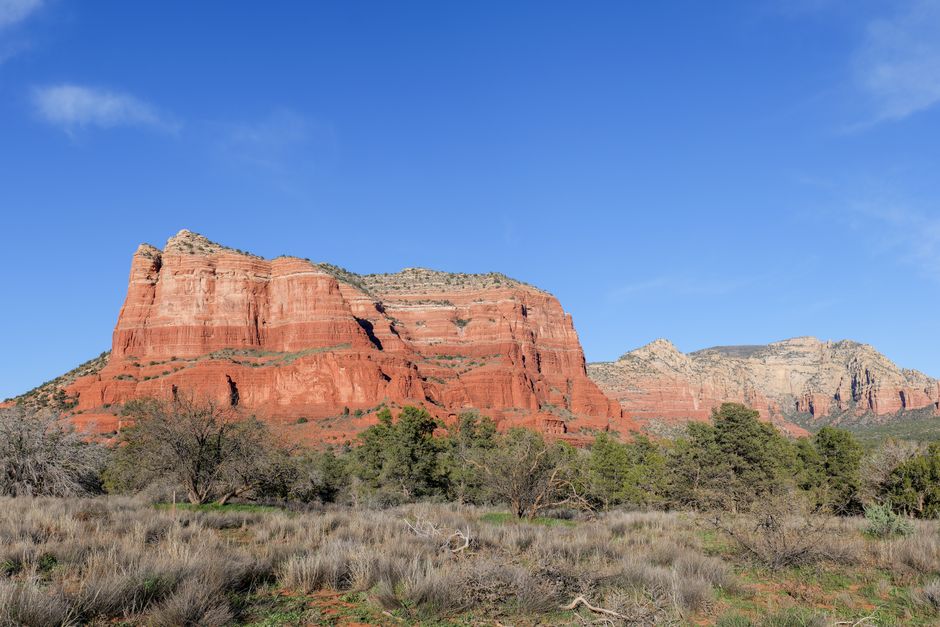
Sedona sits 2 hours north on I-17, and yeah, it's famous for a reason. The red rocks are genuinely stunning—Cathedral Rock, Courthouse Butte, Devil's Bridge. On my first visit I was cynical about the tourism machine, but once I got away from the main drag and into the actual trails, I understood the appeal.
You've got real hiking options here: Cathedral Rock is a popular 1.2-mile scramble with actual views; Bell Rock is easier and longer; Devil's Bridge is the largest natural sandstone arch in the country if you want to say you touched something superlative. None of these are casual strolls. Bring water and start early, especially in warmer months. The town itself—Uptown Sedona and the arts district—is shopping-and-gallery heavy, which is fine if that's your thing, less fine if you're trying to avoid crowds. Restaurants range from tourist traps to genuinely good spots; aim for Oak Creek Canyon on your drive back for the scenery alone.
Best time: October through April. Summer is doable but hot, and weekends year-round bring crowds. Midweek in fall or spring is ideal.

Prescott: The Underrated Mountain Town (1.5 Hours North)
Prescott caught me off guard. I expected Sedona's upscale cousin and instead found a town that actually felt lived-in. It's perched at 5,400 feet, which means it's cool even when Phoenix is melting. The drive alone—heading north on I-17 then cutting east through scrub country—is less scenic than the Sedona route but substantially less crowded.
The Courthouse Square is genuinely charming: vintage storefronts, actual local restaurants, a Wednesday farmers market, and genuinely low tourist density compared to Sedona. Walk the square, grab coffee, eat breakfast at one of several solid spots. If you want hiking, Thumb Butte is a 2-mile paved loop with views, or hit one of the trails in the Prescott National Forest (there are dozens). The Whiskey Row on the west side of the plaza has historic saloons if you're into that sort of thing. The town punches above its weight for a place that size.
Best time: May through October, though it's pleasant year-round. Winters are mild compared to northern Arizona, summers are genuinely cool. It's what Sedona would be if it hadn't been discovered by Instagram.
Flagstaff: For Bigger Days and Cooler Air (2.5 Hours North)
Flagstaff pushes the outer edge of a reasonable day trip—about 2.5 hours straight up I-17—but it's worth the drive if you want a break from desert heat and actually significant elevation. At 7,000 feet, it's a legitimate alpine town with real seasons.
The downtown is walkable and college-town relaxed (Northern Arizona University is here). Excellent restaurants, breweries, and independent shops. But the main draw is the surrounding national forest and the proximity to the Grand Canyon's South Rim (about an hour further north). If you're doing a day trip from Phoenix, you have options: hike the San Francisco Peaks, drive the scenic loop through the volcanic cones, explore the Lowell Observatory (where Pluto was discovered), or push north to the Grand Canyon itself—though that's optimistic in a single day from Phoenix unless you're committed to mostly driving. The town itself is worth a few hours of wandering, eating, and breathing cooler air.
Best time: May through October. Winters bring occasional snow, and the town gets college-town crowded during ski season (December-February). Summer is the sweet spot—sunny, cool, full of tourists escaping heat, but not suffocating.

The Apache Trail: Scenic Drive Through Desert History (1.5 to 2 Hours)
This one's different—it's not really a destination town but a drive, and it's probably the most underrated route out of Phoenix. The Apache Trail runs from Apache Junction (east of Phoenix) through the Superstition Mountains to the town of Theodore Roosevelt. It's rough in spots (some sections are unpaved), takes about 2-3 hours to drive one-way depending on stops, but it's genuinely scenic and genuinely quiet.
You pass Goldfield, an old mining town recreation; several lakes if you want to stop and walk; Superstition Mountain views; and the historic Roosevelt Dam. It's not flashy, and that's the point. I'd recommend going out via the Trail, coming back via I-60, and treating it as a half-day drive plus lunch somewhere along the way. The town of Globe has decent Mexican food and a rough charm if you need a break. This route appeals to people who actually like being in empty space and don't need a photo op at the end. Bring gas—services are sparse.
Best time: October through April. Summer is hot and the road can be rough; winter is mild. Midweek is infinitely better than weekends.
Tucson: The Longer Trip Worth Taking (1.5 Hours South)
Tucson doesn't feel like a day trip in the way Sedona does—it's more of a full day or overnight adventure. But it's 90 minutes south on I-10, and it's genuinely different from Phoenix. It has character, actual history, good food, and feels less built-for-tourists.
The Arizona-Sonora Desert Museum is worth the trip alone if you're into natural history and walking through genuinely impressive botanical gardens and wildlife exhibits. Downtown Tucson has galleries, vintage shops, and spots like The Rialto Theatre. Saguaro National Park has good hiking (east or west side). Fourth Avenue is a walkable strip with bars and restaurants. You could spend a day here and not see it all, which is different from other Phoenix-area day trips where you can hit the highlights in a few hours. The drive itself is unremarkable, but the arrival is worthwhile.
Best time: October through April. Summer heat in Tucson rivals Phoenix, so the appeal of a day trip diminishes. Winter and spring are ideal.

Practical Stuff: Gas, Weather, and Timing
All these drives are on good highways—I-17 north is fast and reliable. Gas up in Phoenix before heading to Prescott or Flagstaff; options are available but prices get worse the further you go. Bring water for any hiking, even if you think it's a short walk. The desert and mountains dehydrate you faster than you'd expect.
Summer requires different thinking. The northern routes (Flagstaff, Prescott) become more attractive. The southern route (Tucson) becomes less attractive. Middle routes (Sedona, Apache Trail) are possible but require early starts. I learned this the hard way. Leave at 6 AM if it's July, leave at 8 AM if it's November.
Windows: Winter through spring (November-April) is perfect. Late October is good. May gets hot but is doable. June-August requires commitment. September bounces back as it cools slightly. Pick your destination based on mood and season, but don't overthink it—all of these are within range on a weekend.
Which One to Pick
Sedona if you want the most dramatic landscape and don't mind crowds. Prescott if you want a town that feels real. Flagstaff if you want actual altitude and don't mind the longer drive. The Apache Trail if you want to avoid other humans. Tucson if you're willing to commit a full day to a different city entirely.
I've done all of these now, usually as escapes from Phoenix itself. They work. Once you accept that Phoenix is a place to land and a base, not a destination, the options open up. And they're all close enough that you can be packing the car within 20 minutes of deciding to leave.




One Comment