
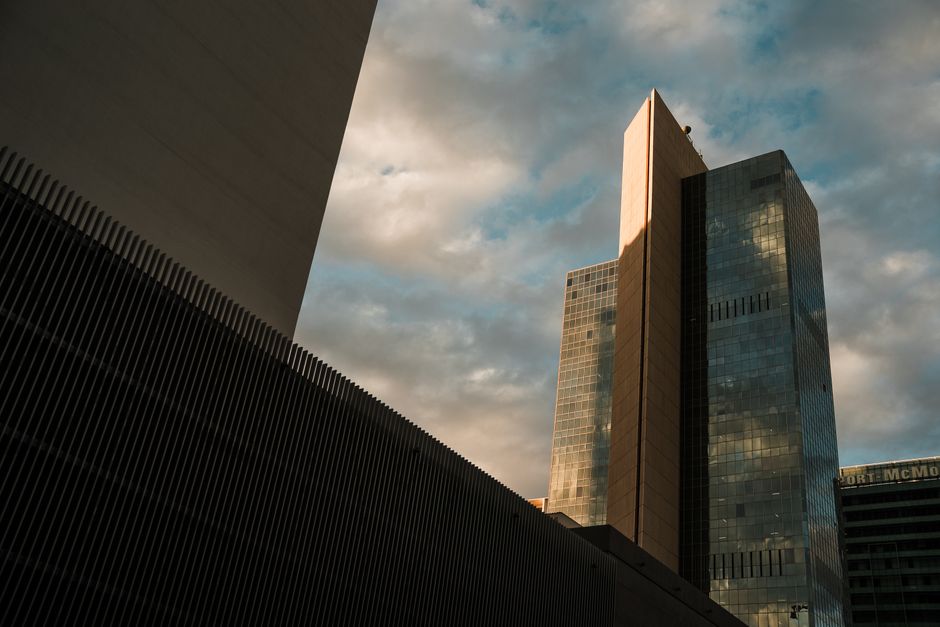
I landed in Phoenix on a March afternoon when the heat was just beginning to climb toward brutal. My first solo trip to Arizona came with the usual pre-trip jitters—not because Phoenix has a reputation as particularly dangerous, but because I'd done my homework and knew certain parts of the city warranted real attention. Most travelers pass through without incident, sticking to Scottsdale's upscale sprawl, Old Town Tempe, or the downtown corridor near the Heard Museum and Roosevelt Row. But sprawling metro areas don't offer uniform safety, and Phoenix is no exception.
I spent a week here, moving between neighborhoods with intention rather than aimlessness. The key to navigating Phoenix safely isn't paranoia—it's awareness. The city's layout works against foot traffic in most places; you're meant to drive. When you don't, you're more visible, which has its own calculus. I talked to residents at coffee shops, asked bartenders direct questions, and avoided the obvious late-night wandering that gets travelers into trouble anywhere.
The General Landscape: Phoenix is Spread Out and Car-Centric
Phoenix sprawls across roughly 600 square miles, which means neighborhoods can vary wildly within a short distance. There's no single dangerous core like you might find in older, denser cities. Instead, safety concerns cluster in specific areas—mostly south and west of downtown—and much of that risk concentrates during evening and night hours. During the day, the city feels reasonably navigable if you're moving with purpose.
The flip side: Phoenix's car culture means entire stretches are genuinely unwalkable. You can't just stroll from one neighborhood to the next. This actually works in your favor as a solo traveler. You're not accidentally wandering into anything. You're either taking a rideshare or you're not going. That intentionality matters. Most tourist areas—Scottsdale, Tempe near the university, downtown Phoenix's arts district—have solid foot traffic and feel safer during daylight. The problem areas aren't tourist destinations anyway, so you'd have no reason to be there unless you got extremely lost.

South Phoenix: Where Caution Actually Matters
South Phoenix, particularly areas below McDowell Road and extending toward Ahwatukee, has consistently higher property crime rates and some violent crime. I'm not going to namecheck specific intersections or blocks—that's false precision and unfair to residents who live peacefully in these neighborhoods. What I will say: if you're booking an Airbnb sight-unseen in this part of the city, pull up the exact address on a map, check Google Street View carefully, and confirm it's in a well-maintained area near the main north-south arterials (like Central Avenue or 7th Avenue in better sections).
The real risk here isn't dramatic—it's property crime. Car break-ins, theft from vehicles, package theft. Walk after dark in some stretches and you'll draw attention. Is that a guarantee of trouble? No. But it's a reasonable cautionary pattern documented by Phoenix Police Department statistics. Day visits to specific spots—like to a restaurant or cultural venue—are generally fine. Random evening walks aren't worth it. Use a rideshare when you're leaving an evening event in that zone.
West Phoenix and Maryvale: Similar Logic Applies
West Phoenix, including the Maryvale neighborhood west of 67th Avenue, has similar safety challenges to South Phoenix. Again, this isn't a war zone. It's residential, and many people live and work here without issue. But it has a higher concentration of property crime and some violent crime relative to other Phoenix neighborhoods. The same rules apply: fine during the day for a specific purpose, less ideal after dark or for solo evening exploration.
Unfortunately, Maryvale is where some travelers end up if they book budget accommodations without checking the location carefully. If you're staying there, stay situationally aware. Keep your door locked, don't leave visible valuables in your car, use rideshares after sunset. It's not that you're in danger, it's that you're accepting a higher baseline of caution than you'd need in Scottsdale or Tempe.
Downtown Phoenix and Roosevelt Row: Actually Fine, Especially During Events
Downtown Phoenix has undergone serious revitalization in the past decade. Roosevelt Row, the arts district, has galleries, street murals, breweries, and increasingly active nightlife. During First Friday (the first Friday of each month), the area fills with foot traffic, galleries stay open late, and it's genuinely pleasant. I walked around in the early evening without hesitation.
The standard downtown rule applies: don't wander completely alone at 2 a.m. down empty blocks, but that's true of most downtowns. During the day and early evening, especially if there's activity around you, this area is a legitimate solo travel zone. Parking is straightforward, rideshares are easy to call if you want to leave late. The neighborhoods immediately surrounding downtown (like Central Phoenix and Midtown) are residential and increasingly developed with local restaurants and bars. They're safe during daylight and early evening.
Scottsdale: Expensive, Manicured, Genuinely Low-Risk
I won't spend much time here because the reality is straightforward: Scottsdale is affluent and heavily policed. Old Town Scottsdale, the tourist core, is packed with shoppers and diners during daylight and evening. Walk around at night without concern. The suburbs sprawl north and east from there, and they're all similarly safe—subdivisions, strip malls, resort areas. This is where many solo travelers stay or base themselves, and for good reason. The tradeoff is that it's expensive and lacks authentic local flavor, but safety-wise, it's a non-issue.

Practical Precautions Everywhere
Across the city, a few practical moves apply. One: use rideshares after dark. Phoenix isn't a great walking city at night for solo travelers, not because of specific danger but because the infrastructure and street activity make you more visible and isolated. Uber and Lyft are readily available and cheap given the distances. Two: trust your instinct about neighborhoods. If you're driving through an area and it feels off, keep moving. Three: avoid flashing expensive gear, large amounts of cash, or leaving valuables visible in parked cars. This is true everywhere, but especially in lower-income areas.
Four: stick to well-lit, populated areas if you are walking. Daytime walking in most neighborhoods is fine if you're on main streets with other people and businesses. Five: keep emergency contacts saved and share your location with trusted friends if you're meeting someone new or doing something unusual. None of this is paranoia—it's just baseline travel sense.
Six: avoid the hours right before dawn and the very late night (past 1 or 2 a.m.) for solo wandering anywhere. Not because of specific threats unique to Phoenix, but because fewer people are out, which changes the dynamic. Phoenix is an early-sunrise, early-to-bed kind of city in many neighborhoods. The nightlife districts run later, but if you're leaving one, get a ride.
What Actually Gets People in Trouble
In my conversations with locals—bartenders, coffee shop owners, hotel staff—the consistent theme was that visitors get into trouble through predictable mistakes: wandering at night without purpose, leaving expensive items visible in cars parked on streets, meeting people from dating apps in unfamiliar neighborhoods without basic precautions, or being intoxicated and less situationally aware. Phoenix doesn't have a unique crime culture designed to trap tourists. It has the same patterns as most American cities: property crime, theft, occasional street violence that's usually linked to circumstances (substance use, disputes, gang involvement) rather than random stranger danger.
The solo travelers who navigate Phoenix safely are the ones who move intentionally, use rideshares instead of walking long distances at night, and keep their wits about them. You're far more likely to have an issue with a flat tire in the heat than with personal safety.
The Honest Bottom Line
Phoenix is a safe city for solo travelers who are thoughtful about where they spend their time, especially after dark. Most of the city is fine. Entire swaths—Scottsdale, North Phoenix, the tourist zones downtown—are very safe and you can move around without concern. The neighborhoods with documented higher crime aren't tourist destinations, so you won't end up there by accident. You'll only be there if you actively chose a budget hotel in the wrong spot or took a wrong turn you could easily correct.
The real work is in the planning. Book accommodations in well-traveled areas. Check Google Street View and recent reviews. Use rideshares if you're out after dark and unfamiliar with where you're going. Ask your hotel or hosts for recommendations about which streets are fine for walking. This isn't fear-mongering—it's the same consideration you'd give to solo travel anywhere with a sprawling metro footprint. Phoenix rewards intentional travel and punishes aimlessness a bit more than some cities, mainly because of the car-centric layout. Once you know that, navigating safely is straightforward.



