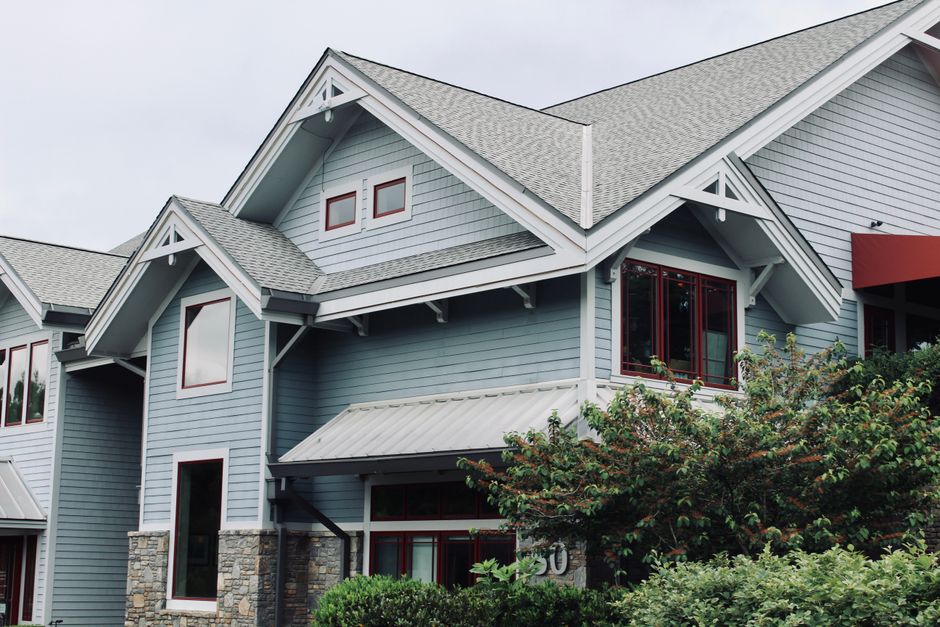
I rolled into Asheville on a gray October afternoon, the kind where the Blue Ridge Mountains disappear into cloud cover and you understand why this place has become a retirement magnet. The town feels small—walkable downtown, plenty of people my parents' age sitting at coffee shops—but there's something off. The sidewalks are packed. The breweries are loud. The parking is a nightmare. After spending three weeks here, talking to actual retirees, real-estate agents, and people who'd tried and left, I realized that Asheville's appeal as a retirement destination is real, but it's also heavily marketed. The picture is more complicated than the glossy real-estate brochures suggest.
Retiring somewhere isn't like visiting. You need to know what it's actually like to live here year-round, what healthcare really costs you, whether you can afford it on a fixed income, and whether the climate and community will make you happy when the novelty wears off. Asheville checks some boxes beautifully. It fails others. Let's talk about what matters.
The Cost of Living: Not as Cheap as It Used to Be
Housing prices in Asheville have climbed steeply over the past decade. A modest three-bedroom home in or near downtown will run you $400,000 to $550,000 today—not exactly a bargain if you're comparing it to rural western North Carolina or East Tennessee. Rent has followed suit. A one-bedroom apartment in a decent neighborhood will cost you $1,200 to $1,500 a month.
That said, Asheville is still cheaper than major metros like Charlotte or the Research Triangle. Groceries, utilities, and general services track close to the national average. Restaurant meals run higher than you'd expect—there's a lot of farm-to-table pricing in this town—but groceries at the Food Lion or Harris Teeter feel normal. Property taxes in Buncombe County run around 0.8 percent of home value annually, which is moderate for the Southeast.
The real wildcard is healthcare costs and whether your retirement income stretches. If you're on Social Security and a modest pension, you'll need to run the numbers carefully. If you have a healthy 401(k) or savings, Asheville works. But don't assume it's cheap just because it's in the mountains. The town has transformed, and prices have followed.
Healthcare Access: Good, but With Asterisks
Mission Health dominates healthcare in Asheville, operating Mission Hospital and several smaller facilities around town. The hospital is modern and reasonably well-regarded, and there are plenty of primary-care doctors accepting new patients—at least as of my reporting. Specialists exist, though waits can stretch longer than in major cities.
One thing to verify: Medicare acceptance and whether you'll need supplemental coverage. North Carolina's healthcare costs skew a bit higher than the national average, so talk to a benefits counselor before you move. Asheville has several nursing homes and assisted-living facilities, which is good to know if you're thinking ten or twenty years ahead. Blue Ridge Community College offers some health programs, and there's an active community health movement, but this is still a medium-sized city, not a major medical hub. If you need cutting-edge cancer treatment or cardiac surgery, you might end up traveling to Chapel Hill or Atlanta.
The Climate: Beautiful but Not Mild
Asheville sits at about 2,100 feet elevation, which means it's cooler than lower elevations and gets more rain. Winter temperatures average in the low 40s, but you'll get snow—maybe a few inches a season, sometimes more. It's not the frozen north, but it's not Florida either. If you're retiring specifically to escape cold weather, this isn't the move.
Springs and falls are genuinely exceptional. Summer is warm but not brutal, and humidity is lower than you'd find in the Piedmont. The flip side: rainfall is consistent year-round, which can feel gray and draining if you're not prepared. The area gets around 50 inches of rain annually, more than most East Coast cities. People who thrive here tend to like four seasons and don't mind gray skies. If you need constant sunshine, look south.
Taxes and Retiree Considerations: Understanding the Baseline
North Carolina doesn't tax Social Security income, which is a real advantage for retirees. Pensions and 401(k) withdrawals are treated as ordinary income and subject to state income tax (currently around 4.5 percent). That's moderate compared to many states, though not as low as Florida or Texas.
Property tax rates in Buncombe County are moderate. Sales tax statewide is 6.75 percent, with some local add-ons bringing totals to 7 to 7.5 percent depending on where you are. Real-estate appreciation over the past decade has been significant—homes bought ten years ago have often doubled in value. That's good if you're selling an existing property and downsizing, less relevant if you're buying here.
For detailed tax planning, you really need to sit with a tax professional who knows your specific situation. Everyone's retirement income looks different. What I'll say is that North Carolina's treatment of Social Security, combined with moderate property tax rates, puts it in the middle of the pack. It's not a tax-haven state, but it's not punitive either.
South Slope and Downtown: The Walkable Play
If you want to stay in Asheville proper, the South Slope neighborhood—roughly the area south of downtown between Coxe Avenue and Broadway—has become the unofficial retirement and young-professional zone. It's walkable, it has new condo and townhouse developments, and you're close to restaurants, galleries, and breweries (whether you want to be or not). Many retirees I met liked this trade-off: smaller-footprint living, walkability, and urban energy without maintaining a big house.
Downtown Asheville itself skews younger and noisier. The Pack Square area is charming but packed, especially weekends. If you want to be in the thick of things, sure. If you want quiet, downtown isn't it. South Slope splits the difference—real neighborhood feel, close enough to walk to downtown but far enough to have some peace. Expect to pay $350,000 to $500,000 for a decent condo or townhouse in South Slope. Rental apartments run $1,100 to $1,400 for one-bedrooms.

Weaverville: Quieter, Cheaper, Still Connected
Weaverville is a small town about ten miles north of Asheville—fifteen minutes by car, maybe twenty depending on traffic. It has a classic small-town vibe, quieter streets, and lower housing costs. You can find homes or condos here for $50,000 to $100,000 less than comparable properties in Asheville itself. It's not bustling, but it has a main street, a grocery store, some local restaurants, and a genuinely nice feel.
The trade-off is car dependency. You're not walking to dinner or entertainment. You're driving into Asheville for medical appointments, some restaurants, and cultural events. But for retirees who want small-town living without the drive-everywhere isolation of truly rural areas, Weaverville works. Property taxes run similar to Buncombe County overall. It's also closer to some of the best hiking and outdoor access in the region, which matters if that's part of why you're retiring to the mountains.
Black Mountain: Even Further Out, Genuinely Rural
Black Mountain is a bigger jump—about thirty minutes east of Asheville, nestled closer to the real mountains. It's an old mill town that's been quietly gentrifying for a decade. Housing is cheaper than Asheville or Weaverville. You'll find decent homes in the $250,000 to $350,000 range. It has a small-town character that feels authentic, not manufactured.
The downside is distance. You're not popping into Asheville for dinner. Healthcare means driving to Mission Hospital. The town is smaller and quieter—genuinely small-town, not just quieter suburb. For retirees who want rural living but still need reasonable access to services and culture, Black Mountain requires you to be comfortable with that car ride. Some people love it; others find it isolating. Visit on a weekday and a Saturday before you move. See how it feels in both modes.
The Real Question: Is It Right for You?
Asheville works as a retirement destination if you like vibrant small cities with cultural energy, you're financially comfortable with current housing costs, you have access to good healthcare, and you don't mind four seasons including gray winters. It's gorgeous, there's a lot going on, and you'll find community.
It doesn't work if you're expecting a bargain, need constant warm weather, or are hoping for a quiet, isolated mountain retreat. The town has changed. It's more expensive, more crowded, and more cosmopolitan than it was ten years ago. That appeals to some retirees and turns others off.
Spend at least two weeks here before committing. Rent a place for a month if possible. Talk to actual retirees, not just real-estate agents. Visit in winter, not just autumn. Check out neighborhoods in the morning and evening, not just when they're packed with tourists. Asheville is worth considering, but it demands honesty about what you want and whether the reality matches the dream.