
I rolled into Boise on a September afternoon, the kind of dry heat that made me immediately understand why so many people from rainy states move here. Within a week, I'd toured two retirement communities, grabbed coffee in the North End, and driven out to Eagle to see what the quieter side of the metro area looked like. What struck me wasn't the tourist stuff—it was the sheer number of conversations I overheard about cost of living, property taxes, and whether winters would actually be manageable for aging knees.
Boise's been on the national retirement radar for years now, and for reasons that are pretty tangible. But "good place to retire" depends heavily on your specific situation—your money, your health needs, how you feel about snow, and what kind of community you're looking for. I wanted to cut through the hype and talk to people who'd actually made the move, check out the medical setup, and get a real sense of what living here on a fixed income actually means.
What You're Actually Paying to Live Here
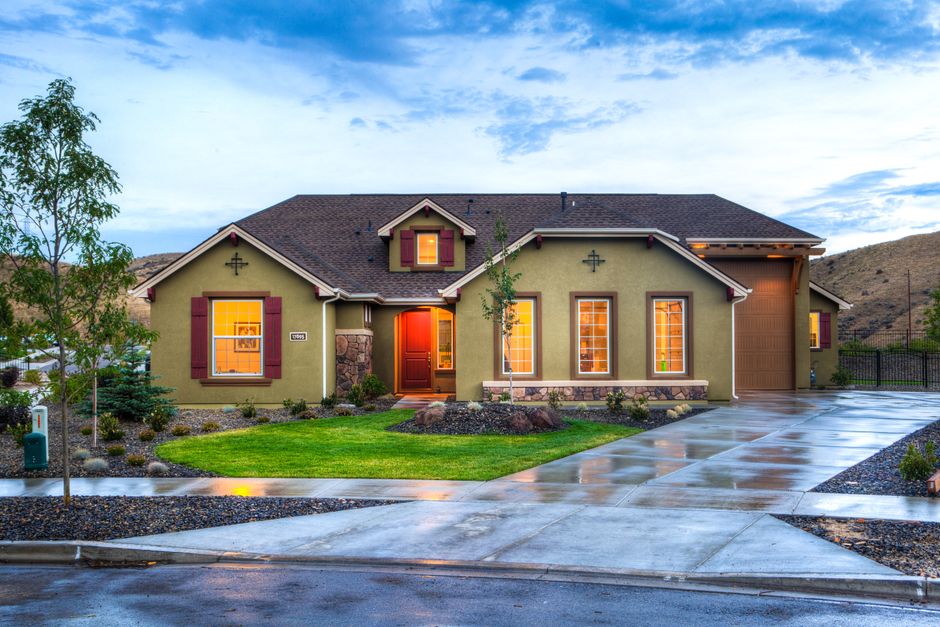
Boise's housing market has shifted dramatically in the last five years. A decade ago, you could retire here on a shoestring. Now? A modest three-bedroom home in decent condition runs $400,000 to $550,000, depending on neighborhood and how much updating it needs. Condos and townhomes start lower, around $300,000, but inventory moves fast and bidding wars aren't uncommon, especially in spring.
Utilities, groceries, and gas track pretty close to the national average—nothing shocking. Property taxes are moderate compared to coastal states (around 0.7% of home value statewide), though they're creeping up as the region grows. Sales tax is 6%, and Idaho doesn't tax Social Security income, which is a real financial cushion for retirees. No state inheritance tax either. The state does tax other retirement income—pensions, 401(k) withdrawals, dividend income—but at rates that are middle-of-the-road by national standards.
The bigger cost question is whether Boise still makes financial sense compared to where you're coming from. If you're selling a house in Colorado or California, your proceeds go further here. If you're coming from rural Texas or Oklahoma, you might find Boise pricier than expected. Run the actual numbers for your situation before you make the leap—don't just compare it to Seattle or Phoenix.
Healthcare: What's Actually Available
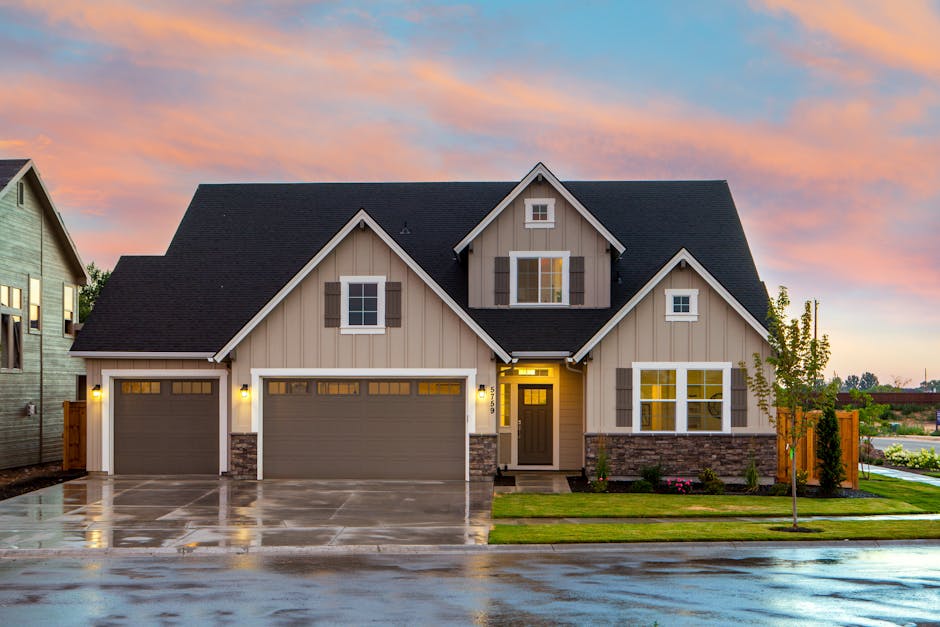
St. Luke's Health System dominates Boise's medical landscape, running the main hospital and most of the major clinics. St. Alphonsus Regional Medical Center is the other primary hospital. Both are legitimate facilities with specialists and decent reputations, though neither is a major research center. If you need highly specialized cardiac care or rare condition treatment, you might end up driving to Portland or Salt Lake City.
Finding a primary care physician can take time. I talked to three recent retirees who all mentioned waiting three to six months for new-patient appointments with doctors accepting Medicare. Urgent care clinics are scattered throughout the metro area and fill the gaps reasonably well, but if you have complex medical needs, you'll want to confirm specialist availability before moving. Ophthalmologists and orthopedic surgeons are available; getting routine services done is manageable. Medicare and most major insurance plans are accepted widely.
What you won't find here are major medical centers like you'd see in Portland, Denver, or Salt Lake City. Boise works fine for routine care, chronic disease management, and most common surgeries. But if your health situation requires cutting-edge cancer treatment, transplant centers, or specialized neurological care, you should honestly talk to your doctors first about whether the local options meet your needs.
Winters Aren't the Mountains, but They're Real
Boise gets snow—typically 20 to 30 inches per winter, spread out rather than dumped all at once. That's meaningfully different from what you'd experience in Missoula or Aspen, but it's also not nothing. Mornings can dip into the teens and low twenties from December through February. The dark sets in early, that dry cold that gets into your bones.
What helps: most of the metro area has snow removal infrastructure that works. Main roads get plowed quickly. The sun, when it appears, actually has some warmth to it. And here's what surprised me—people talk more about getting out during winter than being trapped by it. Ski towns are ninety minutes away in any direction. But plenty of retirees I met weren't winter athletes; they just preferred Boise's version of winter to what they left behind. That said, if you've spent the last twenty years in San Diego or Phoenix, the adjustment is real, not hypothetical.
Summer is genuinely excellent—low humidity, warm but not brutal, with trails and outdoor activities that people actually use year-round. That's the flip side most people lead with, and it's worth factoring in. But go visit in January before you commit. Don't just check the forecast; actually be here when it's gray and cold.

The North End: Where the Established Money Is
The North End of Boise is the traditional retirement stronghold, and for recognizable reasons. Wider tree-lined streets, older homes with actual character, proximity to downtown amenities, and a genuine community feeling. You're talking about neighborhoods like Camelback and Hulls Gulch—properties that often run $500,000 to $800,000+, but you're getting established homes with mature landscaping and actual neighborhoods rather than subdivisions.
The North End skews older and more settled, which appeals to retirees who want to be near restaurants, bookstores, and cultural events. Saint Alphonsus Regional Medical Center sits just south of the North End, so healthcare access is straightforward. Walking is genuinely feasible, and you'll see people doing it. The trade-off is price and, frankly, it's less quiet than it used to be. The North End's popularity has brought more traffic and development in recent years.
If you're looking for an established neighborhood where you immediately feel like you're in a city with real bones, the North End works. But go in with eyes open on pricing and know that "quiet residential neighborhood" doesn't mean what it meant in 2010.
Eagle and Meridian: Quieter and Cheaper, with a Catch
Head northwest about fifteen minutes, and Eagle shifts the equation entirely. Smaller town feeling, newer subdivisions, significantly lower prices—homes that would be $550,000 in the North End run $380,000 to $450,000 in Eagle. Meridian, which sits between Eagle and Boise proper, offers similar pricing dynamics with slightly better access to the city.
The payoff is obvious: more house for the money, newer construction, and you're not sitting in heavy traffic on your way to the grocery store. The trade-off is less walkability, fewer independent restaurants and shops, and a newer development feel. You're also farther from the main hospitals—St. Luke's Boise and St. Alphonsus are a twenty-minute drive instead of five. For retirees who drove everywhere anyway and aren't particularly interested in downtown culture, Eagle and Meridian are smart financial choices.
I spent an afternoon in Eagle and it felt like a solid suburb, not a retirement ghetto. There's new commercial development and it's filling in, but honestly, if quiet and affordable matter more to you than being able to walk to dinner, you should look here seriously. Just don't convince yourself it's the same as being in Boise proper—it's a different lifestyle.
Taxes: The State-Level Reality
Idaho's tax situation for retirees is genuinely favorable compared to many states, but it's not a tax haven—don't let anyone oversell it. Social Security retirement income is completely exempt from state tax, which means a significant piece of most retirement income is protected. That's real.
Pension income, 401(k) and IRA withdrawals, investment gains, rental income—all taxed at rates that start at 1% and cap at 5.8% depending on your bracket. That's middle-of-the-road nationally. No state inheritance or estate tax, which matters if you're planning to leave money to kids. Property taxes average around 0.7% of home value, which is modest in national context.
Where people get confused: Idaho taxes aren't a magic solution. If you're moving from Florida or Texas with no state income tax, you're taking a step backward on certain types of income. If you're moving from California or Oregon, you're stepping forward. Talk to a tax professional who actually knows what you're retiring on—your specific situation, not general Boise retirement numbers, determines whether the tax picture is actually good for you.
Community Fit: What Actually Matters
I spent a lot of time asking retirees why they chose Boise specifically, not just why they retired. The honest answers weren't about spreadsheets. People mentioned outdoor access—hiking, biking, fishing—that doesn't feel pretentious or exclusive. They mentioned that Boise feels like a real town, not a resort community or a sprawl zone. They mentioned proximity to Salt Lake City and Portland without actually needing to be in either.
What I also heard: Boise's growth has changed the vibe. Traffic is heavier, housing costs have jumped, and there's less of that quiet, affordable underdog quality the city had ten years ago. If you're imagining moving to a sleepy place where you'll know your neighbors, you're probably picturing the Boise of 2008. Today's Boise is a real city, with real-city density and pricing.
The honest assessment: Boise works well for retirees who want a city with genuine amenities, outdoor access, reasonable (not bargain) pricing, and favorable tax treatment of specific types of retirement income. It's worth real consideration if you're from California, Colorado, or the Pacific Northwest. It's less compelling if you need maximum affordability or complex healthcare access. Visit in winter. Run real numbers. And talk to people who actually retired there five years ago, not the realtors selling new construction.
Frequently Asked Questions
How much does it cost to retire in Boise Idaho
A modest home in Boise runs $400,000–$550,000 depending on location and condition; condos and townhomes start around $300,000. Monthly costs for utilities, groceries, and general living are close to the national average. Your total retirement budget depends heavily on your housing choice and lifestyle, but Boise is no longer the bargain it was a decade ago.
Is Idaho a good state for retirees taxes
Idaho has favorable tax treatment for some retirees: Social Security income is exempt from state tax, and there's no state inheritance tax. However, pensions, 401(k) withdrawals, and other investment income are taxed at rates up to 5.8%, which is middle-of-the-road nationally. The tax benefit depends on what type of retirement income you have—not all retirees benefit equally.
What neighborhoods in Boise are best for retirees
The North End offers established tree-lined neighborhoods, walkability, and proximity to downtown and hospitals, but homes typically run $500,000+. Eagle and Meridian are quieter and more affordable ($380,000–$450,000 range) but require more driving and have fewer independent shops. Your choice depends on whether you prioritize walkability or affordability.
Which neighborhood would you retire in?



