
I rolled into Columbus on a gray November afternoon expecting a forgettable Midwest city. Instead, I found myself parked at a coffee shop on High Street watching retirees pass by, then ducking into a dive bar where the bartender knew half the customers by name. The city feels lived-in without the suffocation of a college town—which makes sense, because Ohio State's campus is here but doesn't dominate the way you'd think.
Retirement decisions aren't romantic. They're about money, weather, doctors, and whether you can afford to stay bored enough to appreciate the quiet. Columbus gets serious consideration from people leaving the coasts. It's not Florida, not Arizona, definitely not a coastal fantasy. But there's something practical about it that deserves real attention.
Cost of Living: Still Reasonable, But Watch the Trajectory
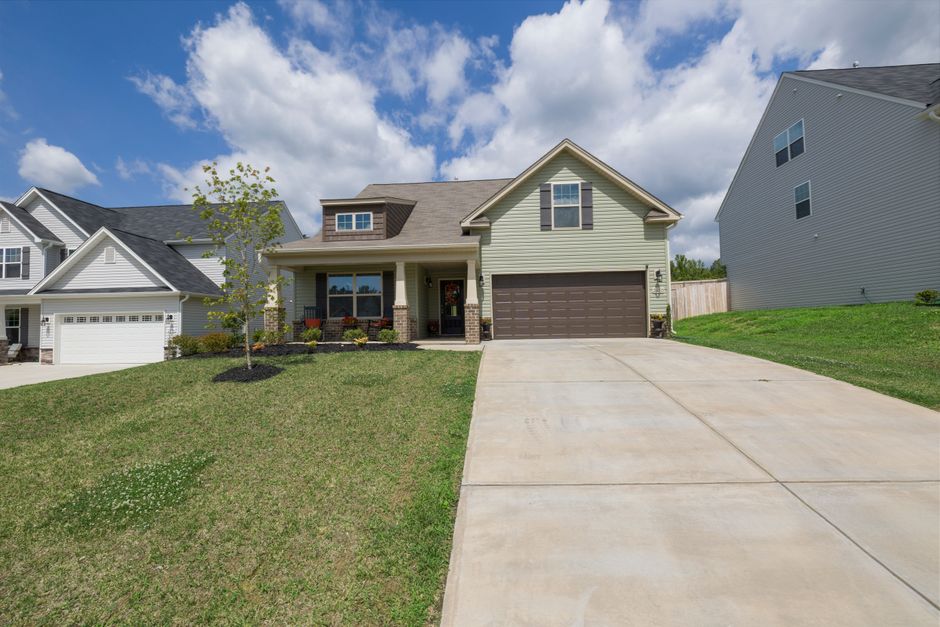
Housing costs in Columbus are nowhere near what you'll find in coastal metros or even Denver and Austin anymore. A modest two-bedroom house in many neighborhoods runs $250,000 to $350,000, which is genuinely affordable compared to most of the country. Rent for a one-bedroom apartment averages somewhere in the $900–$1,200 range depending on location and condition. That matters when you're living on fixed income.
But here's the thing: Columbus housing has appreciated noticeably in the last five years. The neighborhoods that retirees actually want—the ones with walkable cores and good restaurants—have seen prices climb faster than outer-ring suburbs. New Albany, a planned suburb north of downtown, leans toward younger professionals and active adults but carries higher price tags. Grandview Heights, directly north on the west side, has steadier inventory and less speculative pricing.
Groceries, utilities, and transportation costs stay relatively low. Ohio doesn't have a state sales tax on groceries. Car insurance and gasoline track national averages. Property taxes hover around 0.8% to 1% of home value, which is moderate for the Midwest—higher than Indiana, lower than New Jersey. It's the kind of detail that compounds over a 25-year retirement.
Healthcare: Solid Systems, Not Cutting Edge
Ohio State's Wexner Medical Center anchors the city's healthcare reputation. It's a major academic medical center with everything you'd expect—cardiology, oncology, transplant programs. Columbus also has Riverside Methodist and OhioHealth systems scattered across the metro. If you need a top-tier specialist, they're here. Wait times and quality are reasonable.
That said, don't expect the healthcare innovation density of Boston or Stanford. Columbus has good bones but isn't a destination for experimental treatments. For routine care, preventive work, and standard surgeries, it's solid. The cost-of-living advantage partly stems from lower overhead than coastal medical systems, which gets passed along. Just verify your specific doctors and facilities accept your insurance before committing.
The metro has decent geriatric resources—memory care facilities, home health agencies, physical therapy clinics scattered throughout—without the over-saturation you'd find in Florida or Arizona.
The Winter Question
Columbus winters are real. Snow is routine, temperatures drop into the 20s and teens regularly, and daylight shrinks hard from November through February. The city averages 26 inches of snow per year. It's not Buffalo, but it's not South Carolina either. You need a snow-removal strategy and tolerance for salt trucks and gray skies.
If you can't stomach cold, keep looking. This isn't the place to save money and suffer through six months of seasonal depression. That said, winters are usually broken up by occasional 40-degree melt-days, and by April the city genuinely greens up fast. Fall is legitimately beautiful—leaves, good weather, no humidity.
The flip side: summers are mild compared to the South. Highs in the mid-80s, occasional heat waves but nothing like Atlanta or Houston. You can actually spend time outside in July and August without it feeling dangerous.
Taxes: The Reasonable Baseline
Ohio's state income tax runs 0% to 5.75% depending on bracket. It's competitive with much of the country, though not as favorable as Florida or Texas (no income tax). If you have substantial retirement accounts, pensions, or ongoing income sources, the state-level tax does matter over time. Social Security is not taxed in Ohio, which helps.
Property tax, as mentioned, sits at roughly 0.8–1% of assessed value. It varies by county and school district, so a specific address matters more than a state-wide average. Columbus proper is Franklin County; some outer neighborhoods push into Delaware or Licking County with different rates.
I'll avoid specific tax advice because everyone's situation is different. Talk to a tax professional who knows Ohio before deciding. The point is: the state isn't predatory, but it's not a low-tax haven either. It's the reliable middle ground.
German Village: Walkable, Charming, Pricey
German Village sits just south of downtown and feels like a different city. Brick streets, historic townhouses with red doors, bars and restaurants on every corner, parks. It's genuinely walkable—you can get groceries, eat dinner, see a movie, all on foot.
It's also become the obvious choice for affluent retirees and young professionals looking for neighborhood character. Housing prices reflect that. A restored Victorian rowhouse here runs $400,000 to $600,000 easily. Condos and townhomes are slightly cheaper but still premium-priced. The demographic skews younger-to-middle-aged; you'll see active 60-somethings but fewer people in their 80s.
The vibe is genuine and the walkability is real. But if you're retiring on a modest fixed income, this is a splurge neighborhood, not a value play. Most retirees I spoke with looked here first, then chose somewhere else.

Worthington and New Albany: The Planned-Suburb Route
Worthington, immediately north of downtown, is older, quieter, and less trendy than German Village but still pleasant. Tree-lined residential streets, good schools (irrelevant for retirees but drives stability), and a small downtown with parks and restaurants. Housing here averages lower than German Village—$250,000 to $380,000 for similar-sized homes. It appeals to people who want Columbus access without downtown density.
New Albany, further north, is fully planned and newer. Everything's newer, more manicured, more expensive. It's genuinely nice if you like golf courses, planned community amenities, and fewer surprises. The catch: it's newer, which means less character and higher prices reflecting that newness. It draws active retirees who prioritize amenities over authenticity.
Both are solid choices depending on temperament. Worthington feels more like a real neighborhood. New Albany feels like a resort.
Close By: Worthington and Marblehead Are Worth Considering
If you're willing to live outside the city proper, Delaware (about 30 minutes north) and Powell (northwest suburbs) offer lower housing costs with easier highway access. Neither is charming like German Village, but both have the bones of normal towns.
Marblehead, about an hour north toward Lake Erie, is tiny and quiet with small-town genuineness. Housing is cheaper, traffic is minimal, and you have lake access. The trade-off is isolation and fewer dining and cultural options. It works for people who actually want small-town life, not people romanticizing it.
The calculation: every mile outside the city saves 5–10% on housing but costs you in time and convenience. For retirees, that's a real tradeoff.
The Real Talk
Columbus works best for retirees who value affordability and practicality over climate or coastal access. You get reasonable healthcare, low-to-moderate costs, and genuine neighborhood life without paying Miami or Portland prices. The weather is the honest constraint—if you hate winter, this doesn't work.
The city itself is stable but not particularly exciting. You won't feel like you're missing out on cutting-edge culture or world-class dining. You also won't feel trapped or suffocated. It's the definition of the reliable middle choice.
Spend a week here in late fall or early spring. Walk around German Village, Worthington, and the Short North neighborhood. Talk to retirees you meet—they're usually honest about trade-offs. Then decide if the numbers and the vibe actually fit your life.


