
I landed at MCI on a Tuesday morning in October, and the first thing that struck me wasn't the barbecue smell or the fountains everyone mentions—it was how easy the whole arrival felt. Rental car, no traffic jam getting downtown, a coffee that cost three dollars instead of seven. I'd come to Kansas City specifically to figure out whether it actually held up as a retirement destination, not just a weekend-trip town. Three weeks later, after talking to people who'd already made the move, visiting neighborhoods, checking out clinics and senior centers, I'm writing this from a coffee shop in Westport with a pretty clear picture.
Retirement planning is deeply personal—where you'll spend the next thirty years shouldn't be decided by a checklist or a Reddit thread—but Kansas City does have some genuine advantages worth examining. The cost of living is measurably lower than most comparable mid-sized metros. The healthcare infrastructure is solid. The weather actually has seasons, which some people love and others dread. And there are several neighborhoods where you'll find actual retirees living actual lives, not just brochure versions of them.
What You'll Actually Spend Here
Housing costs are the elephant in most retirement decisions, and Kansas City's real estate market hasn't blown up the way Denver or Austin have. A modest two-bedroom house or condo in a decent neighborhood runs anywhere from $150,000 to $250,000 depending on what you're after. If you're renting instead—increasingly common among retirees who don't want the maintenance headache—expect $1,000 to $1,400 for a one-bedroom apartment in an active area, sometimes less in quieter zones.
Groceries, gas, utilities, and dining out all track noticeably below the national average. A week of groceries for one person runs me about $50 to $70 if I'm not buying premium organic everything. Restaurant meals aren't cheap—Kansas City's barbecue reputation means some places charge accordingly—but you can eat well on a modest budget if you know where to go. Property taxes vary by neighborhood but generally range from 0.7% to 0.9% of assessed home value annually, which is in the middle band nationally.
Overall, standard estimates put living costs about 12% below the US average. That matters compounded over twenty years. The one area where Kansas City doesn't stand out is healthcare costs—they track close to national norms—so if you're on a tight budget and have significant medical needs, that's worth factoring in separately.

Healthcare: What's Actually Here
Kansas City has two major health systems serving the metro area: Saint Luke's Health, which operates several large hospitals and clinics across the region, and University of Kansas Health System. Both have solid reputations, and both have major medical centers within the city limits. Truman Medical Center offers public hospital services. For most routine needs—primary care, specialists, diagnostics—you won't struggle to find providers accepting Medicare.
The catch, as with anywhere, is that older systems sometimes feel stretched, and finding a new primary care doctor who's taking patients can take weeks. Specialists have their own scheduling walls. I talked to one woman in her early seventies who'd retired here five years ago, and she mentioned having to make appointments three months out for certain tests. That's not unusual for any city this size, but it's worth knowing upfront if you have ongoing complex health needs.
Minor urgent care is plentiful. Walk-in clinics and retail health spots are scattered throughout the metro. Kansas City also has a growing number of aging-in-place services and senior-focused clinics, particularly in Midtown and around the Plaza area. If you're considering the move, spending a morning or two researching specific doctors and calling their offices to confirm they're actually accepting new Medicare patients is time well spent.
Four Seasons, and Yes, Winter Comes
Kansas City's weather is one of those things where your reaction either makes you want to stay or leave. Summers are hot and humid, regularly hitting the low 90s from July through early September. Winters are real—we're talking occasional ice storms, ten to twenty inches of snow spread across three or four big events, and temperatures dropping into the teens. Spring and fall are genuinely pleasant, often the most pleasant in the country.
If you hate cold weather, you already know this isn't your place. But if you like actual seasons, if you want to see trees change color and don't mind bundling up for a few months, the climate is one of Kansas City's stronger points. The sun appears regularly even in winter. Summers can be brutal if you don't have good air conditioning, but they're not the oppressive six-month steam bath you get in the Deep South or Southwest.
One practical note: retirement usually means you're not rushing to work in the snow, so the occasional ice day is less of a problem than it might be earlier in life. Still, if mobility is an issue, sidewalk conditions and neighborhood upkeep matter more than they might otherwise. That's another reason to visit specific neighborhoods before committing.
Taxes, Retirement Income, and Why You Should Talk to a Professional
Missouri has no tax on Social Security benefits, which is useful if that's your primary income stream. The state income tax rate maxes out at 5.3%, which is moderate compared to coasts but a bit higher than some Sun Belt states. Kansas, if you're considering Overland Park or nearby Kansas suburbs, has a lower top rate around 5.7%, but don't let a few tenths of a percent drive a major decision.
Property taxes I mentioned earlier; they're moderate. Sales tax varies by specific location and can creep toward 8.5% in some areas depending on local additions. The real tax conversation—whether Kansas City is genuinely advantageous for your specific retirement income situation—really depends on what you're living on. Pension? Mostly untaxed in Missouri. Investment income? Taxed at state rates. Rental properties? Standard rules apply. It's boring, but it's also the kind of thing where a conversation with a tax accountant who knows Missouri is worth fifty hours of internet research.
Missouri does allow property tax deferrals for seniors on a limited basis and has homestead exemptions available in some cases. The specific rules change, so this isn't something to rely on without checking current regulations.
Midtown: If You Want Walking and Proximity
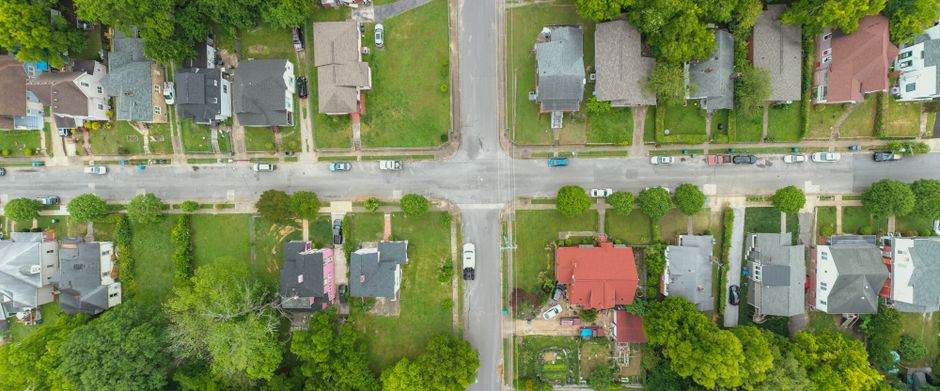
Midtown sits roughly between downtown and the Country Club Plaza, and it's genuinely walkable in a way a lot of Kansas City still isn't. The neighborhood has a real mix of restaurants, cafes, galleries, and older residential blocks with character. Real grocery stores are a walk or a short drive away. Many retirees have been drawn here specifically because you can accomplish daily tasks without getting in a car every single time.
It's also the neighborhood where you'll see visible evidence of gentrification—rising rents, apartment complexes going up, young professionals moving in. That changes the flavor of a place. Pricing has climbed accordingly. A one-bedroom condo here might run $200,000 to $280,000; rents are $1,200 and up. It's still cheaper than similar walkable neighborhoods in comparable cities, but you're paying for the urbanity.
The neighborhood has a decent concentration of healthcare providers, several parks, and a bus system that actually connects you places (Kansas City's public transit is limited, but what exists is most useful here). If you're the type who's retiring because you want to slow down but not check out of city life entirely, Midtown is worth serious consideration. It's worth actually spending a couple of days here before deciding, maybe renting an Airbnb for a long weekend.
Leawood and Mission: The Manicured Suburb Approach
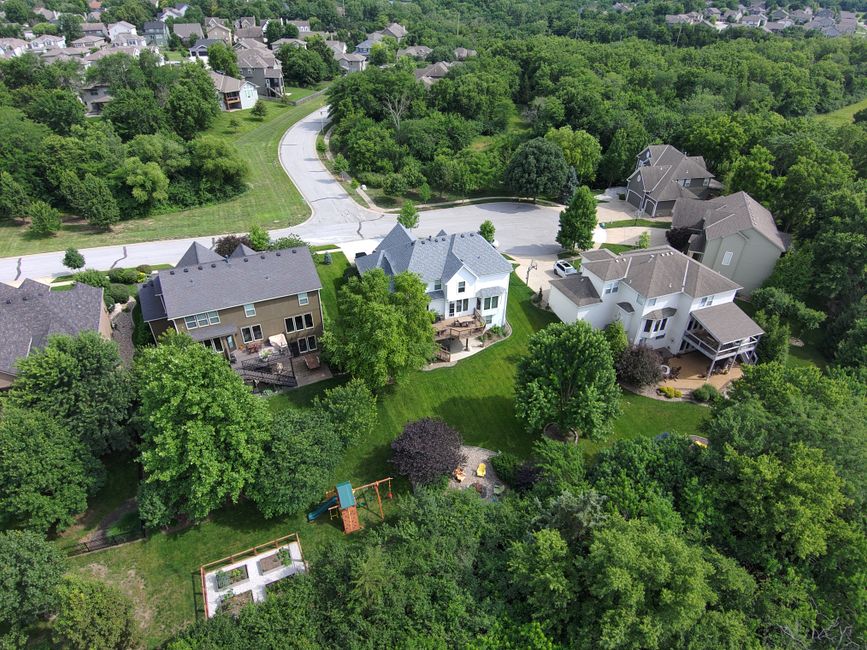
Just over the state line in Kansas, Leawood and Mission represent a different retirement calculus: planned, comfortable suburbs where everything is maintained and quiet. Country clubs, golf courses, newer medical facilities, shopping centers. It's the kind of place where your neighbors are probably also retired or near-retiring, the lawn care expectations are clear, and you'll see golf carts in people's driveways.
Housing is more expensive than Kansas City proper—expect $250,000 to $400,000 for a solid three-bedroom home, sometimes more in the nicest sections. Property taxes are higher than Missouri, though both Leawood and Mission have strong schools and high-rated municipal services even if you're not directly using schools anymore. The tradeoff is that you lose walkability, you're car-dependent for almost everything, and the social scene is more homogeneous.
If you're specifically seeking that suburban retirement experience—golf, planned communities, people in similar life stages—this is where you find it. It's not for everyone. Some retirees I talked to loved it; others found it sterile. The medical facilities, particularly Leawood's newer clinics, are worth noting if healthcare access is a priority. It's also worth knowing that Johnson County, Kansas has different tax structures than Missouri, and that matters for investment income. Again, talk to someone who actually does taxes, not me.
South Kansas City and Independence: The Middle Path
There's a cluster of neighborhoods and small towns south of downtown—Independence, parts of South Kansas City, Blue Springs—where housing is cheapest and where actual retirees are actually living without the retirement-community veneer. These aren't fancy. They're practical. A modest home runs $100,000 to $180,000. Renters find even more affordability. You're further from downtown culture, further from urban walkability, but you're also among people who chose Kansas City for reasons other than it being a trendy place to be.
Independence has its own medical campus and some solid clinics. South Kansas City proper is part of the larger metro's healthcare system. These areas aren't on Instagram. They don't have the cool-neighborhood energy. But they also don't require you to be performing retirement for anyone. If your priority is maximum affordability with reasonable access to services, this is where you'd be looking.
The downside is obvious: isolation if you don't have a car, fewer restaurants and activities within walking distance, a more car-dependent existence. For some retirees, that's fine. For others, it would feel limiting. The honest assessment is that you're trading urban proximity for cost savings.
The Actual Retirement Question
After three weeks and dozens of conversations, here's what I think matters: Kansas City is a perfectly reasonable retirement destination if what you're actually seeking lines up with what the city offers. It's affordable compared to most alternatives. Healthcare access is adequate without being exceptional. Weather appeals to people who like seasons. The culture is real but not trendy, which can be either a strength or a weakness depending on what you value.
It's not a retirement fantasy destination. It's not going to blow your mind with sunshine, beaches, or perfect weather. It doesn't have the cultural density of major coasts. The public transit system is limited. If you require cutting-edge specialized medicine, you might find yourself occasionally driving to St. Louis or Kansas City, Kansas for specific services.
But if you're looking at a practical place to live for the next twenty or thirty years on a reasonable budget, with reasonable healthcare, with actual four seasons and actual people doing actual things—not performing for tourists—Kansas City deserves serious consideration. The best thing you can do is come spend a few days. Stay in different neighborhoods. Eat some meals. Drive around. Talk to people who've already moved here. Don't decide based on an article. Decide based on whether the place actually feels like where you want to be.
Frequently Asked Questions
Is Kansas City Missouri expensive to retire in
No. Kansas City's cost of living runs about 12% below the national average. Housing, groceries, and dining are all notably cheaper than most comparable metros. Healthcare costs track near national averages, so that's where you might spend more than other major expenses. Property taxes are moderate and vary by specific neighborhood.
What is the weather like in Kansas City in winter
Winters are cold and include snow—expect temperatures in the teens and occasional ice storms. Most years bring ten to twenty inches of snow across several events. If you hate cold weather, Kansas City isn't ideal. But if you enjoy actual seasons and don't mind bundling up for a few months, winter is manageable and not as brutal as northern states.
Is there good healthcare in Kansas City Missouri
Yes, Kansas City has solid healthcare access through major systems like Saint Luke's Health and University of Kansas Health System. Finding a new primary care doctor can take time, and specialists have their own wait lists, but routine care and urgent care are readily available. Healthcare costs themselves track close to national averages.
Which neighborhood would you retire in?



