
I rolled into Memphis on a humid March afternoon, the kind of heat that sticks to you before you've even left the airport. I was here to get a real feel for what retirement might look like in this often-overlooked corner of Tennessee—not the postcard version, but the everyday reality of actually living here year-round. Within a few days, I'd grabbed biscuits at a neighborhood joint, driven through several residential areas, and sat down with locals who'd already made the move. What struck me most wasn't any single thing, but rather how different Memphis could be depending on where you landed and what you prioritized.
The Cost-of-Living Picture
Memphis has one of the more affordable housing markets in the Southeast, full stop. A modest three-bedroom home in a decent neighborhood runs considerably less than you'd pay in Nashville, Charlotte, or most of Florida. Rental prices are similarly gentle on the wallet. Groceries, utilities, and general household expenses track below the national average, which matters when you're living on a fixed income.
The flip side: you get what you pay for in some respects. Older housing stock is common, which means inspection costs matter. Property taxes are moderate but present—Tennessee doesn't have a state income tax, which is a genuine financial plus for retirees, though local property assessments vary by county. Gas and car insurance run cheap, at least. If affordability is your primary filter, Memphis clears that hurdle without much strain.

Healthcare: Variable and Worth Vetting
Methodist Le Bonheur Healthcare dominates the market here. The main downtown campus is legitimate—it's a regional trauma center and teaching hospital with decent specialty services. St. Jude Children's Research Hospital brings top-tier oncology talent to the area, and some of that expertise bleeds into the broader medical community. For routine care and established conditions, you have reasonable options.
But here's the reality: if you need highly specialized care or have complex medical needs, you might find yourself thinking about Memphis less favorably. Some specialists have longer wait times than bigger metro areas. Before retiring here, if you're managing something serious, I'd call ahead to specific departments at Methodist or talk to your current doctors about referral networks. The city isn't a healthcare desert, but it's not Mayo Clinic territory either. That matters more for some people than others.
Climate and Weather
Summers in Memphis are hot and genuinely humid. July and August will have you running the AC hard. Winters are mild by northern standards—freezing rain happens maybe two or three times a year, snow is rare—which appeals to people fleeing real winter. Spring and fall are legitimately pleasant, though spring can arrive soggy. If you hate cold and don't mind heat, this works. If you're someone who needs four true seasons or despises humidity, Memphis might grate on you by August.
Tornado season is real but not doom-and-gloom. Spring storms roll through, and you should take severe weather seriously, but Memphis isn't Tornado Alley. Air quality is generally acceptable, though summer ozone can tick up on hot days.

Tennessee Taxes for Retirees
Tennessee has no state income tax, which is genuinely valuable if you have retirement account withdrawals, pensions, or ongoing investment income. That's the headline everyone leads with, and it's accurate. Property taxes vary by county but are generally moderate. Sales tax is relatively high to compensate for the lack of income tax.
Before you move based on tax considerations, though, talk to a tax professional about your specific situation. What works brilliantly for one person's income stream might not matter much for another. Some states offer pension exemptions, some don't. Federal taxes still apply. Retirement tax planning is personal, and Memphis's tax environment is only one variable in a larger picture.
Germantown: Suburban Comfort and Schools
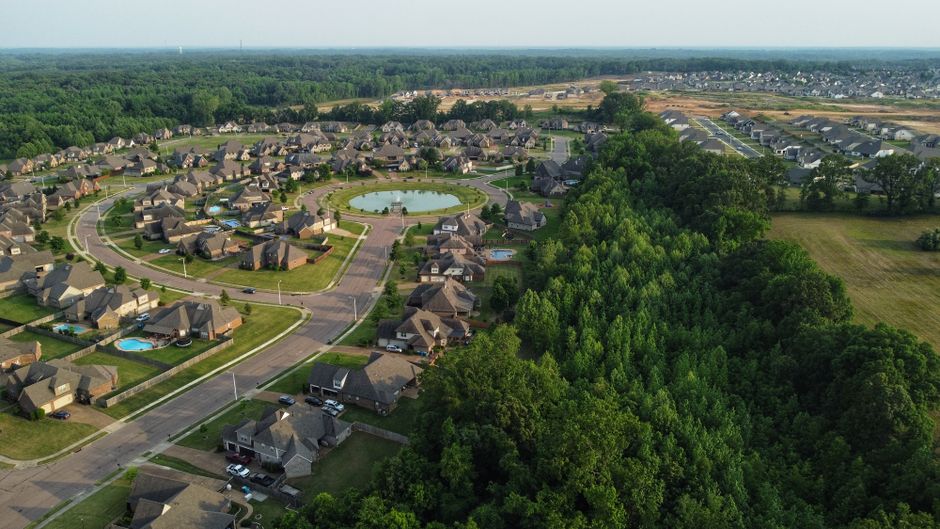
Just east of Memphis proper, Germantown has become the go-to suburb for retirees who want stability and don't mind a small-town feel attached to the city. It's less edgy, more manicured, with active retirement communities and single-family homes that skew newer and larger. Cost of living is higher here than central Memphis, but still reasonable compared to other Southeast metros. The police presence is noticeable, and crime statistics read better than inner-city numbers—if that matters to you, Germantown delivers.
The trade-off is less urban character. You're driving for culture and food. But many retirees I talked to were perfectly content with that swap. The school district is solid if you have grandkids visiting. Healthcare access is decent. It's an honest, predictable place to land.
Collierville: Walkable and Established
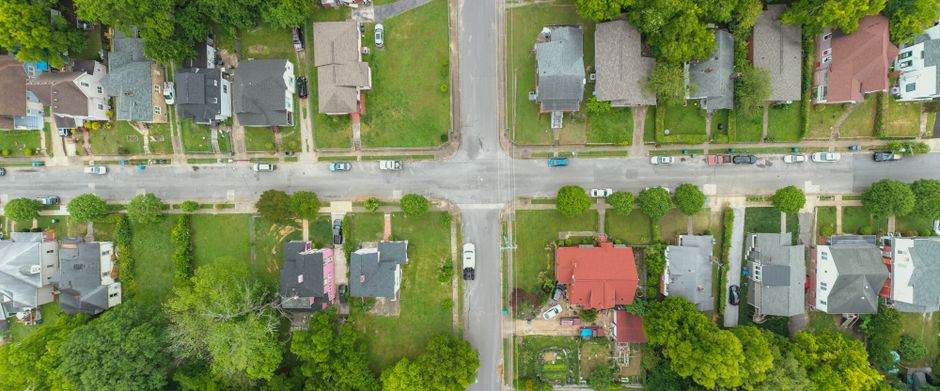
Southeast of Memphis, Collierville is another popular retirement perch with a bit more walkability than Germantown. The downtown square has coffee shops, a few good restaurants, and enough local flavor to feel like a real town rather than a suburb. Homes are well-maintained, sidewalks exist, and there's actually something to do without always getting in the car. It's more expensive than central Memphis but still affordable by regional standards.
I spent an afternoon walking around the square and chatting with folks at a coffee shop. Several mentioned they'd come to Collierville specifically because it didn't feel soulless. You still need to drive for serious medical appointments or entertainment, but the town itself has bones. If you want small-town retirement without feeling completely divorced from urban amenities, Collierville's worth a look.
Central Memphis Neighborhoods: Midtown and Cooper-Young
If you're the kind of retiree who actually wants walkability, restaurants, galleries, and cultural institutions nearby, central neighborhoods like Midtown or the Cooper-Young District might fit better than suburbs. These areas have gentrified selectively over the past decade, with decent restaurants, coffee shops, and music venues within walking distance. You're near the universities, the art museum, and the actual city.
Housing is pricier than the suburbs but still reasonable. Safety varies block by block—this is still Memphis, so due diligence matters. But for active retirees who want urban life without costing a fortune, these neighborhoods offer an alternative to the suburban script. You'll want to pick your blocks carefully and visit at different times of day, but the bones are there.
The Real Talk Before You Decide
Memphis is a genuinely affordable place to retire, with no state income tax and a decent healthcare baseline. The climate suits people who dislike winters. The food scene, the music history, and the river give the city actual character.
But it's also a city with real structural challenges. Poverty and crime are concentrated in parts of town, and those disparities matter if you care about the community you're investing in. The job market doesn't matter to retirees, but it speaks to the city's broader economic health. You need to visit, talk to actual people who live here, and decide whether the trade-offs—affordability and Southern charm versus urban strain and heat—align with what you actually want. Retirement isn't a spreadsheet. It's about where you want to spend the next twenty years.



