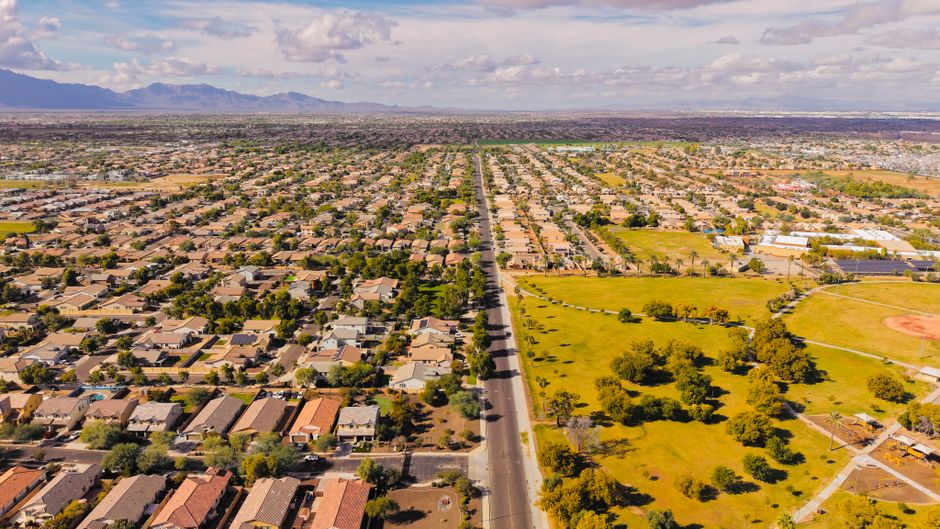
I landed in Phoenix on a 105-degree afternoon in June, which probably wasn't the smartest timing for getting a feel for the place. But it also told me something true: if you're going to retire here, you need to be honest about the heat. Phoenix isn't a place that hides what it is. It's sprawling, it's hot most of the year, and it's cheap—genuinely cheap in ways that matter to fixed incomes. Whether that tradeoff makes sense depends entirely on who you are and what you actually want from retirement.
The Money Question: Cost of Living and Taxes
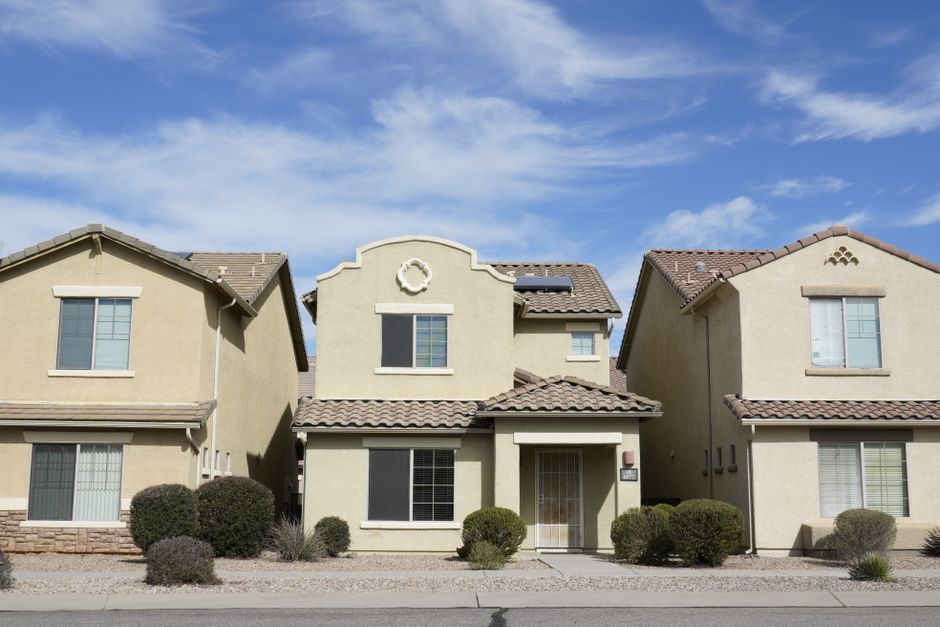
Arizona has no state income tax on Social Security benefits or retirement withdrawals, which is a real draw for people managing pensions or 401(k) distributions. That's a factual advantage worth planning around. Beyond that, Phoenix's overall cost of living sits below the national average, with housing being the main source of that advantage. You can still find decent single-family homes in outer suburbs for $300k-$400k, and rental options run cheaper than most major metros.
That said, the gap between Phoenix and lower-cost retirement areas (think parts of North Carolina or South Carolina) isn't as dramatic as it once was. Phoenix has gotten noticeably pricier over the past five years. Property taxes are moderate by national standards but not negligible—plan on roughly 0.6% of home value annually. If you're running the numbers for a fixed budget, Phoenix is still friendly territory, but it's not the steal it was a decade ago.
Healthcare: You'll Find Options, But Plan Ahead
Phoenix has decent medical infrastructure. Banner Health and HonorHealth operate multiple hospitals and clinics throughout the metro area. Mayo Clinic's campus in Scottsdale (a suburb to the northeast) is a major draw for people who want access to world-class specialists. That's not nothing—especially if you're managing a chronic condition and want expert care within driving distance.
That said, don't assume "it's a big city so healthcare is automatic." The greater Phoenix area is sprawling. Distances matter. If you retire to a far-flung suburb, your specialist appointments might mean 45-minute drives. Medicare access is straightforward, and most local providers take it, but you should verify coverage for any specific conditions or medications before committing to the move. The VA hospital system serves veterans well if that applies to you.
The Climate Reality: More Than Just Heat
Everyone knows Phoenix is hot. June through September routinely hit 110+ degrees, and air conditioning isn't optional—it's survival infrastructure. Your summer electricity bills will reflect that. But there's a second half to the climate story that matters for retirement planning: October through April is genuinely pleasant. Daytime temps in the 70s and 80s, low humidity, clear skies. A lot of retirees lean into this by shifting their activity calendar—heavy outdoor stuff in winter, air-conditioned indoor life in summer.
Dry heat is different from humid heat, and some people tolerate it better. But don't let anyone oversell that difference. If you have respiratory issues or arthritis, this climate might help or might not—talk to your doctor. Also prepare for dust storms in late spring and early summer. They're real, they're fast, and they're intense. The landscape is beautiful if you like desert—saguaro cacti, red rock formations, minimal vegetation—but it's not lush or tropical. If you need greenery and rain, this isn't it.
Scottsdale: Affluent, Polished, Expensive
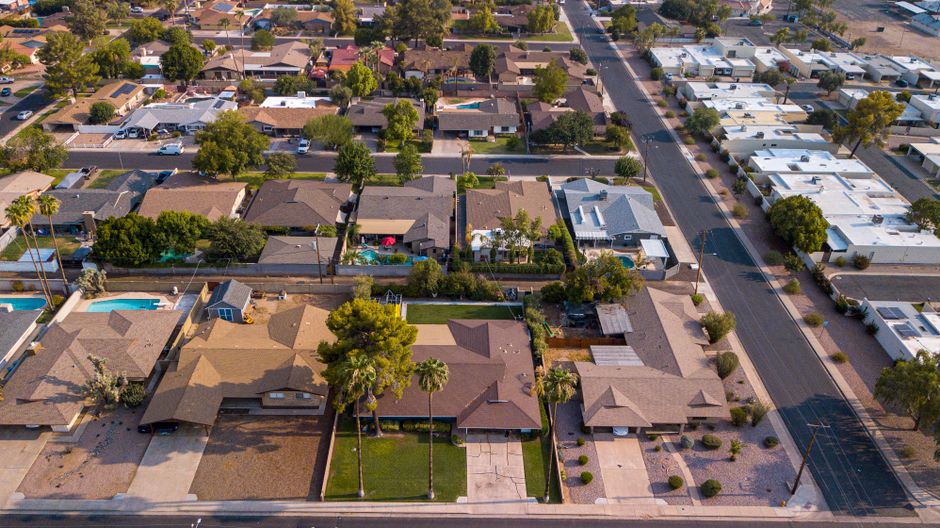
Scottsdale is the obvious choice for retirees with deeper pockets. It's where Phoenix's wealth concentrates. The Old Town Scottsdale area has restaurants, galleries, and a walkable scene. Neighborhoods like McCormick Ranch and several gated communities cater directly to active adults and retirees. Golf courses everywhere. Good schools if that somehow still matters to you.
The tradeoff is clear: housing costs run 30-50% higher than central Phoenix. A modest retirement home can easily push $400k-$500k or beyond. Property taxes and HOA fees compound. But if you value walkability, dining options, and an active adult community, Scottsdale delivers. It also has serious traffic in high season when snowbirds arrive. If you retire here expecting quiet, you'll need to pick your neighborhood carefully.
Tempe: College Town Energy, Easier Parking
Tempe's a different flavor altogether. It's home to Arizona State University, so there's always intellectual churn. Mill Avenue, the downtown pedestrian zone, has restaurants, bars, and a younger vibe than Scottsdale. Housing runs cheaper—you'll find reasonable places in the $300k range. Light rail connects Tempe to downtown Phoenix, which is genuinely useful if you don't want to drive everywhere.
Tempe also sits closer to the East Valley's retirement communities if you want suburban quiet but actual options nearby. The university presence means cultural events, lectures, and community classes year-round. It's less obviously built for retirees than Scottsdale, but that might be the point if you want to stay connected to a broader community rather than age-segregated developments. The downtown area stays busy, so noise and parking can be real issues depending on where you land.

Sun City and the Organized Retirement Community Route
Sun City, northwest of downtown, is the classic age-restricted community. It was invented here, in fact—the original planned community for active adults. Today it's a sprawl of golf courses, recreation centers, and thousands of homes sold exclusively to people 55 and older.
If you want that model, Sun City delivers it completely. You'll have organized activities, social events, and a built-in community of people in your life stage. Costs are moderate. The trade is obvious: it's segregated by age, often feels a bit sterile to outsiders, and you're dependent on HOA governance and fees. But many retirees genuinely thrive in that environment, especially if they've moved away from family or value structured social options. Several similar communities exist in the Valley—Youngtown, Surprise (which has expanded well beyond age 55)—so if you want that model, Phoenix offers it in volume.
The Sprawl Factor and Getting Around
Phoenix is a car city. Full stop. Light rail exists but it's limited. Uber and Lyft operate here, but they're expensive for daily use. If you can drive, you're fine. If you can't or don't want to, retirement in Phoenix gets harder. The metro area sprawls across roughly 10,000 square miles, so even "close" errands can mean 20-minute drives. Winter traffic from snowbirds adds congestion October through April.
This matters more the older you get. Many retirees move here confident they'll always drive, then have health or cognitive changes that make that impossible. Think through the "what if I can't drive anymore" scenario before buying. Some neighborhoods (Tempe's Mill Avenue, Old Town Scottsdale, downtown Phoenix's Roosevelt neighborhood) offer walkability and transit options. Most of the Valley does not. If independent mobility matters to you, pick location carefully.
The Bottom Line for Retirement
Phoenix works well for retirees who have moderate to decent financial resources, tolerate or enjoy dry heat, and either want a car-dependent lifestyle or will pick a rare walkable neighborhood. The tax situation is legitimate but not a standalone reason to move—it's one factor in a cost-of-living equation that's decent but not exceptional anymore. Healthcare is accessible but not better than most major cities. The community is massive and diverse enough that you can find your people, whether that's organized retirement communities or active adult neighborhoods or intergenerational city living.
The deal-breaker questions are simpler: Can you handle summer heat? Do you need walkable urban life or are you fine with suburban driving? Do you have family nearby or are you okay being geographically separate? Can you live in the desert landscape, or will you spend those perfect winter months dreaming of green? Answer those honestly and Phoenix becomes either an obvious fit or an obvious pass. There's no middle ground where people wake up surprised by Phoenix. It's all visible from arrival.