
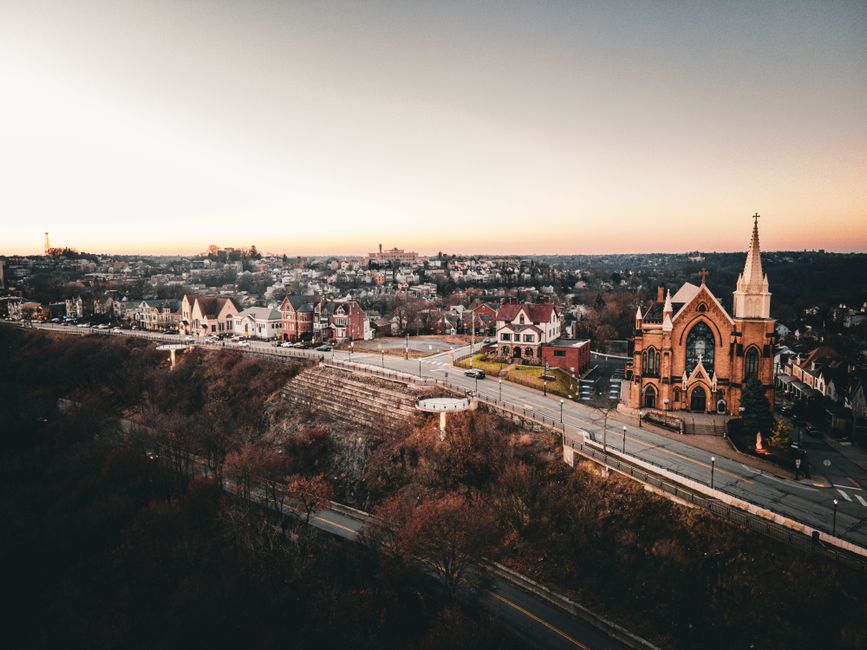
I rolled into Pittsburgh on a gray November afternoon, the kind where the sky sits low and the rivers look like polished steel. Within a week, I understood why people my parents' age were quietly moving here—not for the Instagram backdrop, but for the actual math. A two-bedroom apartment in a decent neighborhood ran less than half what I'd pay in Denver or Boston. Healthcare wasn't scattered; it was concentrated around world-class systems. And the city itself didn't feel like a retirement waiting room. It felt like a place where you could still do things.
But I also spent enough time here to see the real trade-offs. The winters are long. The state's tax picture is mixed. And not every neighborhood that works for a working professional works for someone who wants walkability, medical proximity, and a certain kind of social life. That's what this guide covers—the honest version, not the brochure version.
The Money Part: What Actually Costs Less
Pittsburgh's cost of living runs roughly 5–10% below the national average, which sounds abstract until you start looking at actual rent and property prices. A modest single-family home in an in-demand retiree neighborhood sits in the $250k–$400k range. Apartments aimed at active adults start around $1,200–$1,800 per month, depending on location and amenities. Groceries, utilities, and dining out follow similar patterns—cheaper than major metros, but not so cheap that you feel like you're sacrificing quality.
The real savings come if you own property outright or pay off a mortgage before you retire. Many retirees I spoke with had bought homes in neighborhoods like Lawrenceville or Shadyside 15–20 years ago and watched property values climb slowly but steadily. That's not a guarantee going forward, but it's been the pattern. If you're moving from an expensive market, you can often unlock real cash by selling in your old city and buying here, leaving you with lower property taxes and less financial pressure during the early retirement years when you're spending more on travel and leisure.
Healthcare: A Real Advantage
UPMC (University of Pittsburgh Medical Center) is one of the largest and most respected health systems in the country. It's not just here—it dominates Western Pennsylvania. For a retiree, this matters. You get subspecialists, research hospitals, and a network dense enough that finding a good primary care doctor under Medicare isn't like hunting for a parking space. The VA hospital is also here and well-regarded, which is relevant if you're a veteran.
Cost-wise, Medicare works as it does everywhere in America, but the concentration of quality means less time traveling between providers and less chance of falling into a system fragmented across three different hospital groups. I met retirees who had moved from Florida or Arizona partly because they got tired of managing care between disconnected providers. Pittsburgh's consolidation is a genuine quality-of-life factor that doesn't show up on a spreadsheet but matters in year three of retirement when you're managing a chronic condition.
Climate Reality Check
Pittsburgh winters average around 40 winters days where the high doesn't crack 32°F. Snow falls, some years more than others. The daylight disappears by 5 p.m. from November through January. If you're coming from the South or Southwest, this is a real adjustment, not something to minimize in a website paragraph.
That said, it's not Buffalo or Minneapolis. The summers are mild and pleasant—highs in the mid-70s. The city's geography, with three rivers and substantial tree cover, keeps it from getting as bleak as the surrounding farmland. And retirees who've been here a decade tend to either adapt or they don't—but the ones who do often say the trade-off (shorter winters than the far north, real seasons, no flood risk) beats retirement in endless heat.
State Taxes: Pennsylvania's Middle-of-the-Road Deal
Pennsylvania has a flat 3.07% income tax on most income types. It's not Ohio, which has lower rates, and it's not New York, which has much higher ones. Social Security is not taxed in Pennsylvania, which is a material benefit if a significant portion of your retirement income comes from that. Pensions are treated favorably relative to other states. Property taxes vary by municipality but tend to run 1.2–1.8% of assessed home value—moderate but not low. Sales tax is 6%, and there's no local option to hike it further.
I'll be direct: Pennsylvania is not a tax haven, and if you're comparing it strictly on tax policy, you'll find lower-tax states. But when you factor in cost of living, healthcare access, and what you actually get for your tax dollar (maintained roads, libraries, public safety), the total picture shifts. Talk to a CPA about your specific situation—everyone's retirement income stack is different, and what works for a pension-heavy retiree may not work for someone living off savings and Social Security.
Lawrenceville: Urban Walkability Without the Chaos
Lawrenceville sits just north of downtown and has become the city's hottest retiree neighborhood over the last decade. The walkability is genuine—coffee shops, restaurants, and pharmacies are within a 10-minute walk of most addresses. The housing stock is a mix of renovated Victorian row homes and newer infill, with rents and prices reflecting the demand. You'll pay more here than in quieter neighborhoods, but you're paying for proximity to culture, food, and the kind of street life that keeps retirement from feeling isolating.
The people I met here were split between younger retirees (early 60s) who wanted an active neighborhood and older retirees who'd lived in the area for decades and liked the evolution. It's not sleepy. It's trendy in a real-estate sense, which means property values have appreciated, but it also means you're living in a neighborhood that's genuinely changing and attracting younger people—something to consider if you prefer a quieter, age-integrated scene.
Fox Chapel: Suburban Quiet with Easy Access
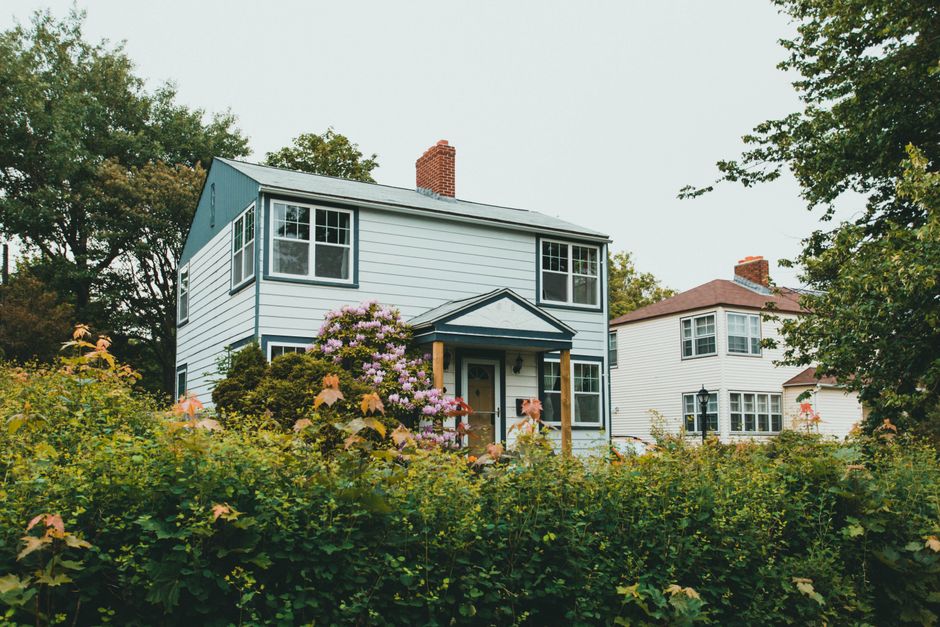
Fox Chapel sits northeast of the city, about 20 minutes from downtown without traffic. It's affluent, well-maintained, and draws retirees who want to be near Pittsburgh's amenities and healthcare without living in a dense neighborhood. Homes run larger, yards are bigger, and the pace is noticeably slower than Lawrenceville. The trade-off is that you need a car for most errands—walkability here means walking to the mailbox, not to a restaurant.
For retirees who are still active and driving comfortably, Fox Chapel and similar suburbs like Sewickley make sense. You get space, good schools (if grandchildren visit), and proximity to parks along the Allegheny River. Healthcare access is still strong—UPMC facilities are spread across the region. It's a classic suburban retirement choice, and it works well for people who've spent their careers driving to an office and want something quieter without going rural.
Shadyside: Established, Connected, Mixed Reviews
Shadyside has been Pittsburgh's upscale neighborhood for generations. Tree-lined streets, established homes, excellent proximity to museums and the arts, and a real sense of place. For retirees who value cultural institutions and a certain kind of social cohesion, it's compelling. But it's also the most expensive neighborhood in this guide—rents and home prices reflect decades of desirability.
The neighborhood works better for people retiring with significant assets or for those who've owned here for a long time and are already in the system socially. If you're new to Pittsburgh and want walkability plus cultural proximity without the premium, Lawrenceville often delivers more value. Shadyside is still a solid choice; it just shouldn't be your default because it's the most famous Pittsburgh neighborhood—that's not a reason to retire there.
Moving Here: The Practical First Steps
If you're seriously considering Pittsburgh, spend a full winter here—not a week, a season. Rent an apartment month-to-month in the neighborhood you're considering. You'll learn whether the climate is actually tolerable for you and whether you actually like the neighborhood at a granular level. Visit your nearest UPMC hospital and your likely primary care facility. Get a feel for the city's actual pace, not the version you imagined.
Talk to a Pennsylvania CPA before you move, not after. Your specific mix of Social Security, pensions, and investment income will determine whether the state's tax structure is actually favorable for you. And connect with retiree groups—churches, community centers, and online groups exist. One thing I noticed: Pittsburgh retirees who thrived were the ones who settled into a neighborhood quickly and engaged with it, not the ones waiting for it to feel like home automatically.
Frequently Asked Questions
Is Pittsburgh a good place to retire on a fixed income?
Pittsburgh's cost of living is 5–10% below the national average, making it feasible on a moderate fixed income, especially if you own a home outright. Social Security is untaxed in Pennsylvania, which helps. However, winters are long, and state income tax is 3.07%, so it depends on your income sources and climate tolerance. Run specific numbers with a CPA before deciding.
What are the winters like in Pittsburgh for retirees?
Pittsburgh averages around 40 winter days where temperatures stay below freezing, with moderate snowfall. It's colder than the South or Southwest but milder than Buffalo or Minneapolis. Retirees either adapt by the second or third year or struggle year-round. If you're heat-sensitive or need constant warmth, this isn't the right city.
How good is healthcare in Pittsburgh for seniors?
UPMC is one of the largest, most respected health systems in America and dominates the region. Finding quality primary care and specialists under Medicare is straightforward compared to many other cities. The concentration of healthcare providers is a genuine advantage for managing chronic conditions in retirement.
What neighborhoods in Pittsburgh are best for retirees?
Lawrenceville offers urban walkability and active nightlife, Shadyside provides cultural proximity and established communities, Fox Chapel and Sewickley give suburban quiet with good access to amenities. Your choice depends on whether you prefer walkable urban living, cultural access, or suburban space—each has different price points and requires different comfort with driving.
Which neighborhood would you retire in?



