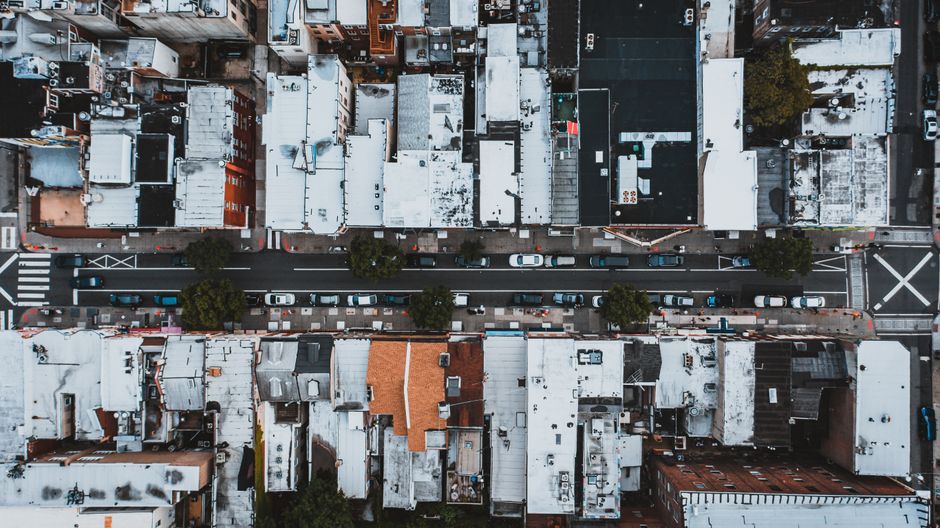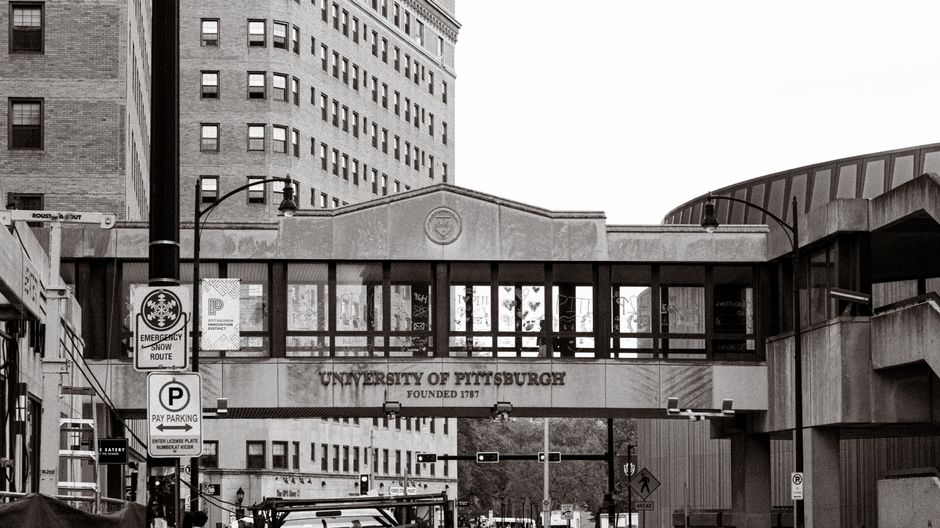
I landed in Pittsburgh on a gray November afternoon, the kind where the sky sits low over the rivers and the Strip District smells like old brick and possibility. Before I left, I did what everyone does—I googled "Is Pittsburgh safe?" and got the usual mix of reassurance and vague warnings. Turns out, the real answer is less dramatic: Pittsburgh's safe enough that thousands of people move here every year and solo travelers pass through without incident. But it's not a place where you wander into unfamiliar blocks at 2 a.m. without thinking, either.
I spent two weeks here, walking neighborhoods at different hours, talking to locals, and checking in with the actual patterns rather than the urban legend version. The story breaks down pretty simply—most of the city is fine, some areas need you to be awake after dark, and a few blocks you just skip. Nothing exotic. I'll give you the real map.
Downtown and the Cultural District: Safe During the Day and Evening
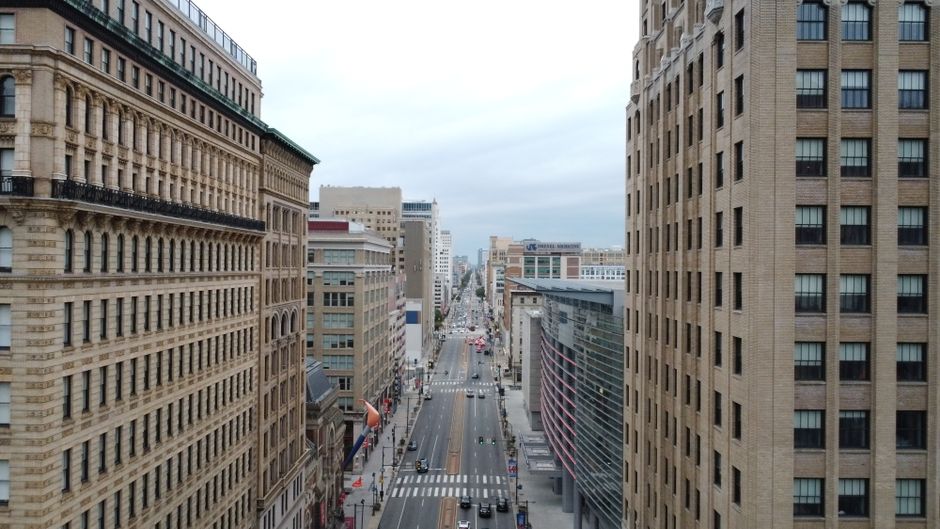
Downtown Pittsburgh, especially the Cultural District along Penn Avenue, is the safest bet for daytime and early-evening walks. The area is busy, well-lit, and packed with theaters, restaurants, and office workers until early evening. I walked it at 4 p.m. in October and again around 7 p.m. in November—both times felt normal and crowded enough that you're never the only person on the block.
After 10 p.m., the foot traffic dies. The theaters empty out, the workers leave, and the streets get thinner. That doesn't mean it's dangerous—it just means you notice the quiet. Stay on the main avenues (Penn, Fifth, Smithfield), avoid cutting through dark alleys, and grab a ride share if you're coming back late from dinner. The Golden Triangle, the wedge between the rivers, has better visibility and more 24-hour activity than the blocks immediately north of Sixth Street.
The Strip District: Daytime Energy, Evening Caution
The Strip District (Sixteenth Street between Smallman and Penn) is one of Pittsburgh's oldest working neighborhoods—wholesale produce, ethnic grocers, old-school Italian markets, and the kind of butcher shops where they know their customers' names. By day it's genuinely alive. I went on a Saturday morning and watched the foot traffic from 8 a.m. until noon; it's the kind of place that feels watched and social.
Once the sun drops, the vibe shifts fast. Most of the shops close by 5 or 6 p.m., and after 8 p.m. the area empties and feels isolated in patches. Street lighting is uneven, and there are blocks where you're the only person on the sidewalk. Don't walk it alone after dark. If you're staying nearby or have dinner plans, use a cab or walk with a group. The old warehouses and loading docks don't have much nighttime life to anchor them, and the police presence thins out.
Shadyside: Crowded Shopping District, Residential Calm
Shadyside on Walnut Street (the main shopping and dining strip) is busy, well-populated, and one of the most aggressively policed areas in the city. I walked it on a Thursday afternoon and a Friday evening; both times it was full of retail workers, restaurant staff, and people moving between shops. It's a money area, and it shows in the maintenance and the police car I saw parked on almost every other block.
That's the pedestrian corridor. The residential streets that fan out from it are quieter and still safe, but they don't have the same ambient activity. If you're not on Walnut or Ellsworth, especially late, you notice how much you're relying on street light and your phone's GPS instead of crowds. It's not a predatory area, but it's not the Strip District either. Stick to the main commercial stretch for evening walks; the neighborhoods around it are fine but not designed for wandering at midnight.
Lawrenceville: Block-by-Block Reality
Lawrenceville is the neighborhood everyone mentions first—young, creative, gentrifying fast, with coffee roasters and galleries and the kind of restaurant turnover that signals money flowing in. It's also legitimately mixed, block by block. I spent time on Butler Street (the main drag) and it's bright, busy, full of foot traffic until 10 or 11 p.m., and you feel the police presence without feeling oppressed by it. The side streets are residential and quiet but not threatening.
The catch: Lawrenceville borders areas that aren't as stable, and the safety shifts noticeably depending on which direction you walk. The eastern and southern edges toward Penn Avenue or the older neighborhoods beyond have different energy. Walk the Butler Street corridor and the blocks immediately north of it without a second thought. Venture further east or south, especially after dark, and you're making a deliberate choice to walk through rougher blocks. Nothing apocalyptic, but nobody pretends there's parity here. Google Maps and street lighting matter more once you leave the main gentrified pocket.
Oakland: Safe for Daytime, Avoid Walking Alone Late
Oakland (home to the University of Pittsburgh, Carnegie Museums, and Phipps Conservatory) is safe and well-populated during school hours and daytime, but the foot traffic thins dramatically after 6 or 7 p.m. I visited on a weekday afternoon and the sidewalks were full of students, campus security was visible, and the whole area felt managed and watched.
After dark it's quieter. The university and the institutions close, the students clear out of the outdoor spaces, and the streets have fewer natural eyes on them. It's not a place to worry about, but it's not a place to wander through at 11 p.m. alone either. Use the Campus Connector bus if you're moving around at night; it's free for visitors and much safer than walking unfamiliar paths by yourself. The museums and conservatory close by 5 p.m. anyway, so your daytime visit won't be cut short, but plan evening activity elsewhere or get a ride.
The North Shore: Ballpark Crowds, Empty Streets
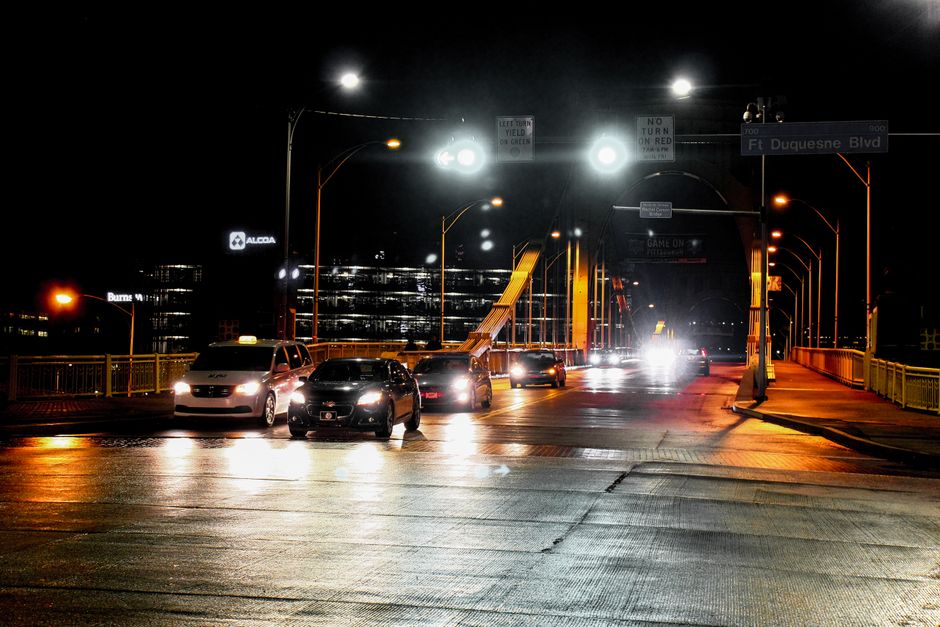
The North Shore (home to PNC Park, Heinz History Center, Science Center, and the sports stadiums) is a strange neighborhood safety-wise because it's almost entirely built for event days. When there's a Pirates or Steelers game, the streets flood. When there isn't, the area is surprisingly sparse. I walked it on a Tuesday evening with no event and felt the emptiness pretty immediately—wide streets, new construction, bright lighting, but almost nobody outside.
On game days it's fine; you're part of a crowd moving to and from the ballpark. Off game days it's safe but isolating, designed more for cars than pedestrians. The stadiums and museums are where people go, not the streets themselves. If you're visiting PNC Park or the Science Center during operating hours, walk the main corridors and you'll encounter crowds and security. If you're trying to take an evening stroll, pick a different neighborhood. The North Shore at night with sparse foot traffic will make you aware of how alone you are, even if there's no actual danger.
Transit, After-Dark Movement, and the Practical Stuff
Pittsburgh's transit system (Port Authority buses and the T light rail) is decent, runs until midnight on most lines, and is genuinely your best move for night travel. I took the T from Downtown to Shadyside on a Friday at 10 p.m., paid the two dollars, and shared the car with a cross-section of night-shift workers, people coming from dinner, and the usual transit mix. It's not a luxury experience, but it's common and safe.
Use Uber or Lyft after midnight instead of waiting for a bus. It costs $8 to $15 depending on surge, but it's faster and you're not standing on a corner. Taxis are available but require phone calls or hotel front desk assistance; apps are usually faster. Walk with purpose, especially after dark—move like you know where you're going, even if you don't, and keep your phone down while you're in motion. Pittsburgh's got pockets of serious poverty and addiction, visible in some neighborhoods (Homewood, parts of the Hill District, East Pittsburgh), and those show up in street-level degradation and people asking for money. That's not danger; that's a sign you're in a neighborhood where you're not the demographic using that space, and you should be alert and move through rather than lingering.
What Actually Reduces Risk
Avoid walking alone in unfamiliar blocks after 10 p.m., full stop. It's not cowardice; it's basic geometry. Fewer people on the street means fewer witnesses and more opportunity. The specific neighborhoods matter less than the time and the context. Daytime, you can explore pretty freely. Evening in busy areas, you're fine. Late at night alone in a quiet neighborhood? That's where your risk profile shifts, anywhere in the city.
Stay in commercial zones after dark. Downtown, Shadyside, Butler Street in Lawrenceville, the areas around the universities during school hours—these have foot traffic and police presence. Residential blocks, warehouse areas, and the transition zones between neighborhoods do not, and they're where you want to avoid being alone and visible. Use your phone's maps openly if you need to; trying to figure out where you are in private is riskier than asking Google out loud. Locals aren't going to think you're stupid—they'll assume you're a visitor, which you are.
Frequently Asked Questions
Is downtown Pittsburgh safe at night?
Downtown is safe during evening hours (until around 10 p.m.) when there's foot traffic from restaurants, theaters, and bars. After 10 p.m., streets empty significantly and become isolating, though not inherently dangerous. Stick to main avenues like Penn and Fifth, and use ride-share or taxi for late-night returns rather than walking. Stay aware of your surroundings, especially on empty blocks.
Which Pittsburgh neighborhoods should I avoid?
Avoid walking alone in unfamiliar blocks after dark anywhere in Pittsburgh. High-poverty areas including Homewood, East Pittsburgh, and parts of the Hill District show visible signs of economic distress and should be skipped by solo travelers, especially at night. Most tourist areas (Downtown, Shadyside, Lawrenceville's main drag, Oakland museums) are safe during daytime and early evening.
Is it safe to walk around Pittsburgh at night?
Walking at night in Pittsburgh depends entirely on location and time. Well-lit commercial zones with foot traffic (Shadyside, downtown during event hours, Butler Street in Lawrenceville) are reasonably safe until around 10 p.m. Residential blocks and quiet areas become isolating after dark. Use public transit or ride-share for travel after 10 p.m., especially if you're unfamiliar with the area.
Is Lawrenceville Pittsburgh safe for tourists?
Lawrenceville's main commercial corridor (Butler Street) and blocks immediately north are safe and well-traveled, especially until 10 or 11 p.m. The neighborhood is gentrifying and well-policed in the central area. However, the eastern and southern edges toward older neighborhoods are rougher and should be avoided on foot after dark. Stick to the main shopping and dining strip for the best experience.