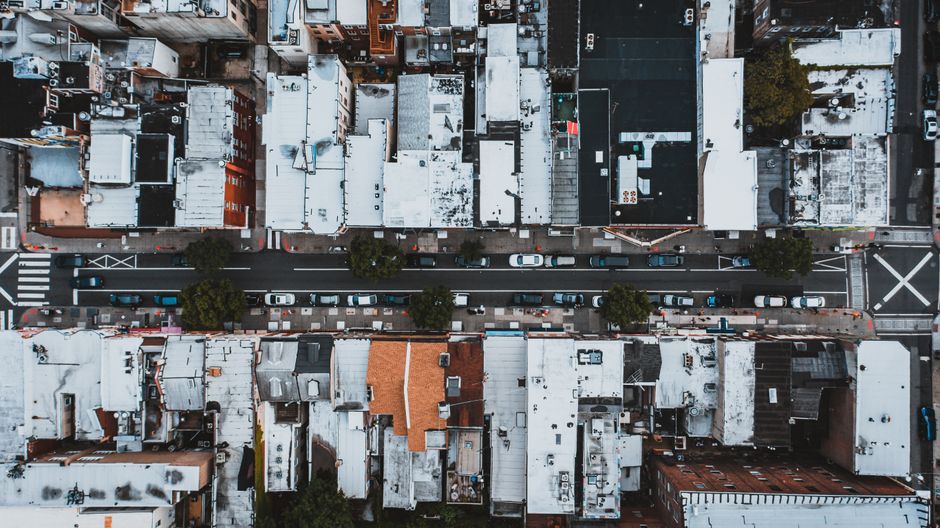
I rolled into Pittsburgh on a Tuesday afternoon with the kind of travel budget that demands honesty about where you lay your head. Thirty-five bucks a night was my target, maybe forty-five on a good night. The city's not as cheap as it was ten years ago, but it's still miles better than most major metros for solo travelers who don't mind a little grit.
Pittsburgh's geography actually works in your favor if you're broke. The neighborhoods aren't sprawling endlessly—you can reach downtown, the Strip District, Lawrenceville, and the North Shore by bus or a decent walk. That matters when you're weighing whether saving ten dollars on a night's sleep is worth an extra half-hour commute every morning.
The Hostels: Your Best Bet for Solo Travelers
Alright, let's start with the obvious move for budget travelers: the hostel scene. Pittsburgh's got a couple of solid options, and I'm not talking about places where you're sleeping in a converted warehouse with questionable plumbing.
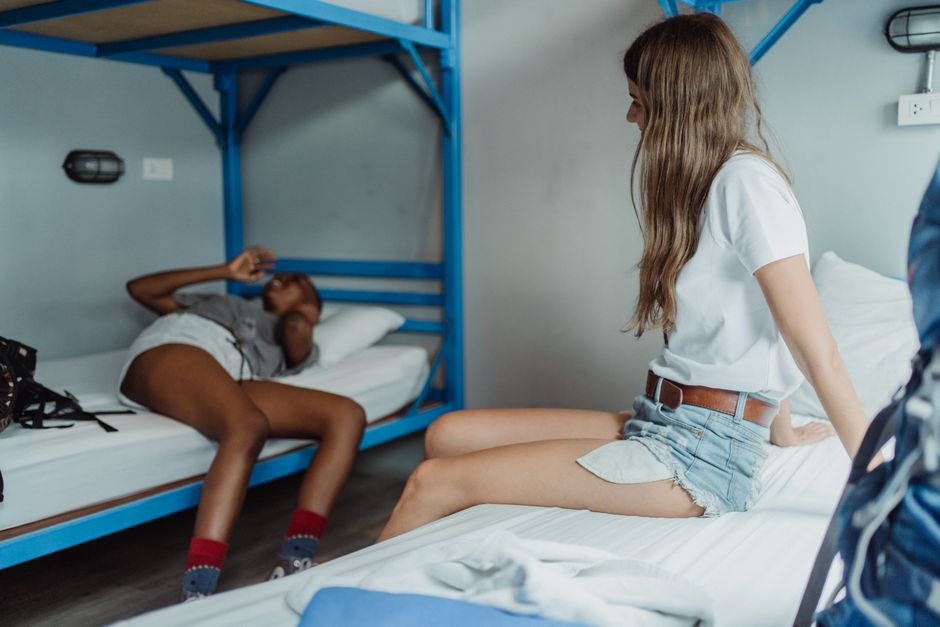
The most established is Hostel Pittsburgh in Lawrenceville, which sits in one of the city's better-mixed neighborhoods—part young professional, part artist, part working-class neighborhood character. You're looking at roughly $35 to $45 a night for a bunk in a 4- or 6-bed dorm, depending on season. Private rooms run higher, around $65 to $85, but that defeats the budget purpose. The place has actual common areas where people gather, a kitchen, and regular hosts who actually know the city. It's about a fifteen-minute bus ride to downtown, or a longer walk if you're acclimating to the hills. The neighborhood's walkable enough—coffee shops, bars, restaurants nearby—so you're not totally stranded if you're waiting around before check-in.
The second option worth mentioning is the HI-affiliated spot downtown—I'll keep specific details general here since these operations change—but downtown hostels tend to be pricier ($40-$55 for dorms) and smaller. The trade-off is you're literally steps from the cultural district, Point State Park, and the Smithfield Street area. If you want to maximize walking-distance attractions and don't mind paying a few extra dollars, it's worth considering.
Budget Motels: When You Want Your Own Door
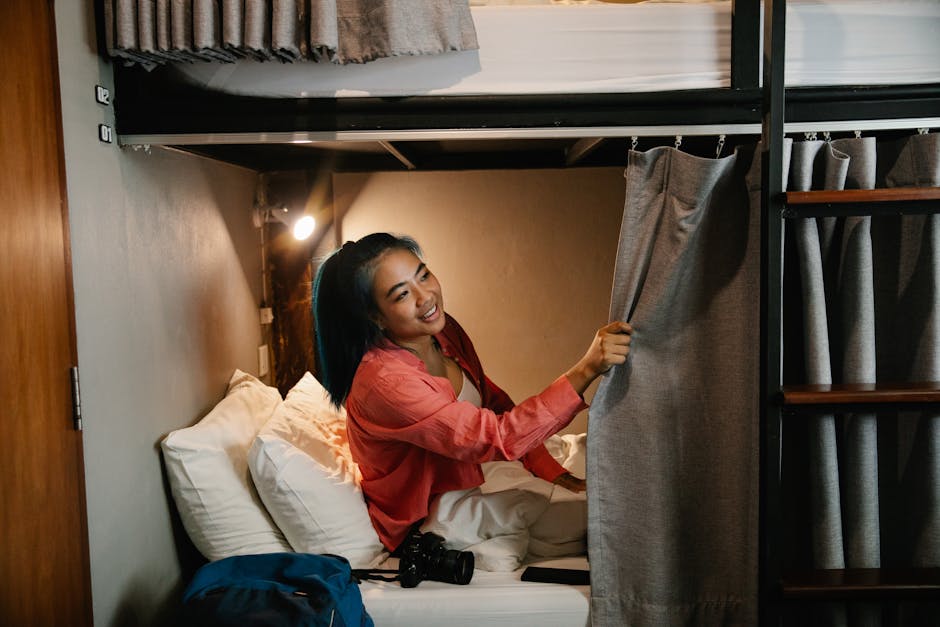
If the thought of a shared bunk makes you itch, there are genuinely decent budget motels scattered around Pittsburgh's edges. These aren't chain luxury play-downs—they're old-school American motor lodges, some honestly maintained and others with that particular patina of age.
The area around the Strip District and heading north toward the residential neighborhoods yields options in the $45 to $60 range for a basic private room, usually a queen bed and a bathroom. Quality's uneven, which is why you need to actually look at recent photos and reviews, not just book blind. Some places are clean and quiet; others are the kind of place where you hear the neighbors' TV through thin walls. The upside: you've got your own space, a door you can lock, and nobody asking about checkout time. The downside: some of these places don't have front desks after 9 p.m., and if something breaks, good luck finding someone.
The south side and the strip between downtown and the airport have the highest concentration of these older motels. Proximity to downtown drops off—you're probably looking at a ten-minute drive or a longer bus ride—but if you've got a car or don't mind the transit time, the price savings add up.
Extended-Stay Hotels: Playing the Long Game
If you're planning to hang around Pittsburgh for a week or more, the math changes. Extended-stay chains—the kind with a kitchenette and weekly rates—sometimes work out to less than a hostel if you book directly and negotiate or hit a slow season.
Microtel and similar budget chains occasionally run promotions that land you in a small suite with a fridge and microwave for $45 to $55 per night if you commit to seven days. Check the eastern edges of the city—areas closer to the airport or the outskirts—where real estate pressure hasn't jacked up rates. These aren't happening every night, and availability matters. The advantage: you can buy groceries, cook simple meals, and actually spread out. It's less transient than a hostel, and you get your own bathroom. The disadvantage: these places are designed for people in corporate housing limbo, so the vibe is flat, and the neighborhoods are usually parking-lot-heavy strip-mall country. Fine if you're working remote or spending daylight hours downtown, but depressing if you're looking for neighborhood character.
Neighborhoods That Make Budget Sleeping Bearable
Here's what I learned on the ground: location matters more than price when you're staying somewhere cheap. Paying thirty-eight dollars in Lawrenceville is better than paying thirty-five in a zone where you're waiting for buses or stuck in car-dependent stretches.
Lawrenceville itself remains the backpacker sweet spot. It's got the hostel, walkable density, young people, restaurants and bars at all price points, and actual things happening on weekend nights. Shadyside and the Hill District are close to downtown and museums but pricier overall. The Strip District is great during the day—it's an honest working neighborhood with food vendors and produce shops—but thin on overnight lodging. South Shore and the south side are cheaper but more car-dependent unless you're committed to the bus system. The North Shore has the stadiums and some attractions but is oddly hollow at night and tends to be pricier anyway.
My honest take: if you're staying budget in Pittsburgh, Lawrenceville makes the most sense. It's where the city feels alive without feeling like a tourist zone.
Getting Around on Budget Lodging Money
Pittsburgh's Transit has a daytime pass for about $5 and a day pass for around $9, and the system actually reaches places you'd want to go—museums, restaurants, neighborhoods. From most budget lodging in or near Lawrenceville, you can get downtown or to the Strip on one bus. The inclines are a tourist novelty but also cheap transportation if you're staying on the south side.
That said, Pittsburgh's still a walking city if you've got good shoes and don't mind hills. Lots of solo travelers I've run into save the bus fare by walking whenever possible. Downtown to the Strip is maybe forty-five minutes. Downtown to Lawrenceville is doable in half an hour if you don't mind going uphill.

Real Talk on Cleanliness and Safety
Budget lodging requires diligence. Look at recent reviews with photos—not the five-star promo stuff or the one-star revenge posts, but the middle-ground feedback from people like you. Most budget places in Pittsburgh are fine. Some are spotty. The hostel in Lawrenceville, from what I saw and heard, keeps things reasonably clean because they've got staff and community pride. Budget motels vary wildly—depends on management, turnover, and frankly luck with your particular room.
Safety-wise, Pittsburgh's generally solid compared to bigger East Coast cities. Lawrenceville and downtown are well-traveled and lit. The south side is working-class and safe enough, though you'll have fewer people around at night. Common sense applies: don't leave valuables in a shared dorm, lock your door, keep your cash elsewhere. Standard stuff.
Booking Strategy and Timing
Weekdays are cheaper. Summer is pricier. Book direct with hostels if you can—their websites often beat third-party booking sites. For motels, call ahead and ask about weekly rates or current promotions. Extended-stay places need a direct conversation.
Pittburgh isn't the kind of city where you show up and immediately bed down anywhere. If you're arriving without a reservation, have a backup plan and be ready to pivot. The budget options exist, but they're not infinite. Midweek, in shoulder seasons (April-May, September-October), you'll have the easiest time finding something clean and cheap.
The Bottom Line
You can sleep in Pittsburgh on thirty-five to fifty dollars a night and not hate it. The hostel route works if you're social or at least tolerant of shared space. Budget motels work if you want privacy and don't mind older buildings. The math works out better for longer stays. Pick Lawrenceville if you want neighborhood vibe along with your savings.
Pittsburgh doesn't have the budget lodging ecosystem of somewhere like New Orleans or Portland, but it's not trying to charge San Francisco prices either. It's real, it's doable, and you'll have money left over for pierogis and a decent beer.