
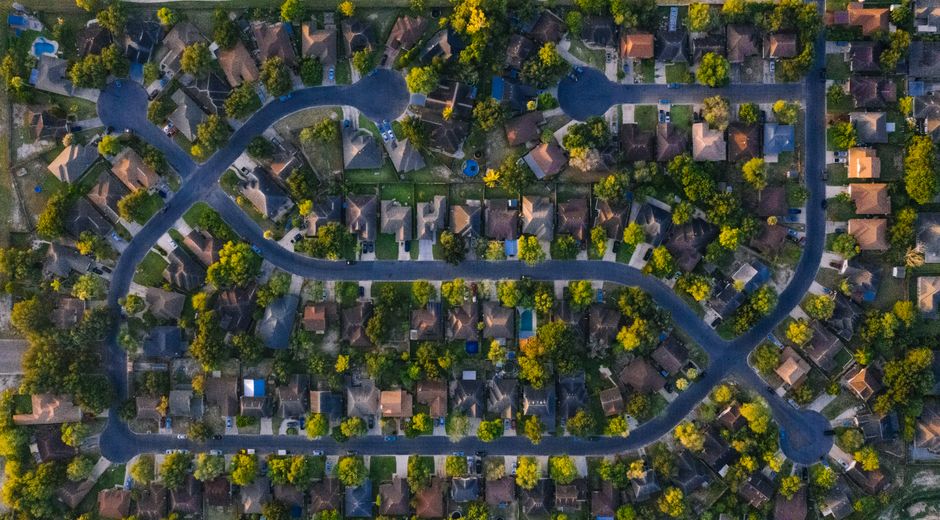
I rolled into San Antonio in mid-August, which was probably the worst timing I could have picked. Ninety-eight degrees at 9 a.m., humidity that makes your shirt stick to your ribs. But by the time I'd eaten barbecue at a taquería for less than $10 and walked the River Walk—which is actually pleasant when you're not shoulder-to-shoulder with spring-breakers—I understood why people end up staying here when it's time to stop working.
Retirement decisions aren't made on a single visit, though. You need to know whether your nest egg will actually stretch, whether you can see a decent doctor without a three-month wait, and whether you'll want to strangle yourself after your fifteenth summer. So I spent time poking around the numbers, talking to locals who'd made the move, and looking at what life actually costs when you're not earning a paycheck anymore.
San Antonio isn't flashy retirement marketing. You won't find it on those "25 Best Places to Retire" covers next to Asheville and Scottsdale. But for a lot of people—especially those coming from the coasts or the upper Midwest—the math works out. Here's what I found.
What You'll Actually Spend: Breaking Down Monthly Costs
Housing here won't drain your account the way it does in Austin or most of the Sun Belt anymore. A one-bedroom apartment in central or moderately desirable neighborhoods runs $900 to $1,400. A three-bedroom house in areas where retirees tend to cluster—quieter parts of the North Central corridor, the edges of Stone Oak—might run $1,500 to $2,000 a month in rent, or $250,000 to $350,000 to buy outright if you're paying cash. Prices have climbed in the last few years as the city's gotten more attention, but they're still well below what you'd pay in most major metros.
Groceries and dining are genuinely cheap. You can eat well—fresh produce, decent meat, local tacos—without breaking the bank. A modest restaurant meal runs $12 to $18. A gallon of milk hovers around $3.50. I've spent time in places where retirees claim the food budget is their biggest advantage, and San Antonio qualifies. Utilities tend to run $120 to $200 a month depending on whether you're blasting the AC all summer; that's the real wild card.
All told, a moderate retirement budget for a couple—housing, food, utilities, insurance, discretionary spending—hovers around $2,200 to $3,000 a month if you're not traveling constantly or dealing with expensive hobbies. That assumes you're not planning to live in a resort-style luxury community; those exist, but they're not where most of San Antonio's retirees actually live.
One thing to verify: property taxes. Texas has no state income tax—which matters—but property tax rates vary by jurisdiction. San Antonio proper runs around 0.8 percent of home value annually, which is moderate for the state but higher than some hill country towns nearby. If you're house-hunting, factor that into the actual cost of ownership.
Healthcare: The Real Strength Here
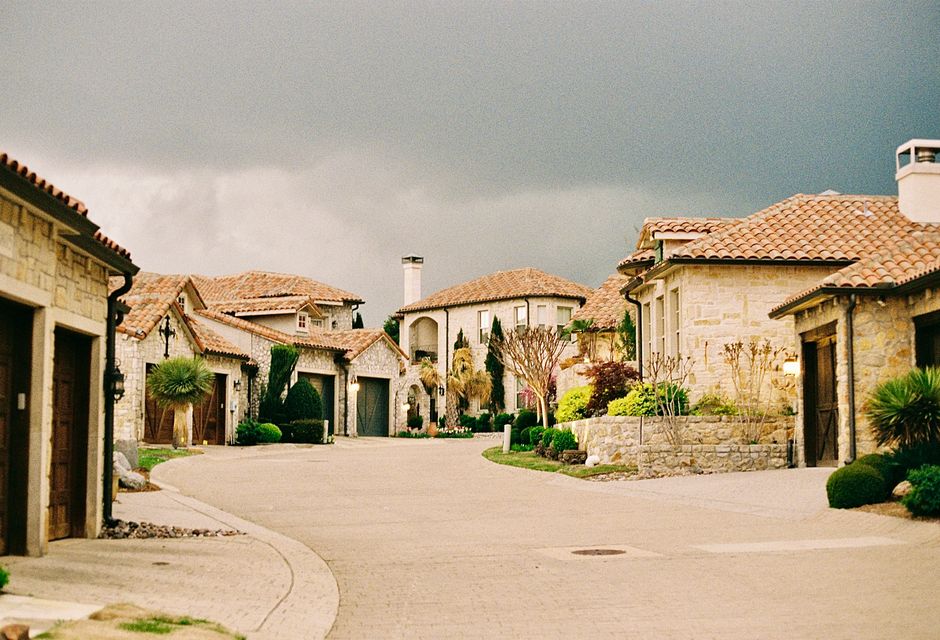
This is where San Antonio has legitimate credibility for retirees. The city's a regional medical hub, not some town where you're driving two hours to a decent hospital. UT Health San Antonio, Methodist Healthcare, Baptist Health System—these aren't tiny rural clinics. They're actual systems with specialists, emergency departments that don't make you wait six hours, and the kind of infrastructure you want if something goes sideways at 2 a.m.
Doctor availability varies, like anywhere, but it's generally not the catastrophe you hear about in rural retirement areas. I talked to a woman in her mid-70s who'd moved from Colorado; she'd been on a waiting list to find a primary care physician for eight months before the move. Here, she found one within a couple of weeks. That's not guaranteed—it depends on the practice and insurance—but the supply is there.
Cost depends entirely on your insurance. If you're on Medicare, you'll benefit from competitive supplement and Advantage plan pricing in a market this size. If you're moving before 65 and dealing with private insurance, San Antonio's generally better than expensive states, but not cheaper than everywhere. One caution: confirm whether your preferred doctors and networks cover San Antonio before you finalize a move. A few specific practices have reputations locally, but I'd rather not name them here.
The Heat You Actually Have to Consider
Let's be honest: San Antonio gets hot. Summer peaks regularly at 95–100 degrees from June through September. If you've spent your whole life in a temperate climate and you hate being hot, this will be an adjustment, not a minor preference. You can't escape it by hanging out inside forever.
But—and this matters—the heat is dry and predictable compared to, say, Houston's soup-like humidity. Air conditioning works well. Winter is legitimately mild; you're looking at January lows around 50 degrees with occasional dips to the 30s or 40s. You might wear a light jacket a few mornings a year. You will not shovel snow. You will not spend six months watching gray skies. There's roughly 300 days of sunshine annually, which either sounds heavenly or irrelevant depending on your personality.
For some retirees, this is a major draw. For others—especially anyone from the Pacific Northwest or Northeast—the summer requires real mental preparation. Tour the city in July or August if you're serious, not March. Test whether the heat genuinely bothers you or whether you can adapt.
Neighborhoods Where Retirees Actually Settle
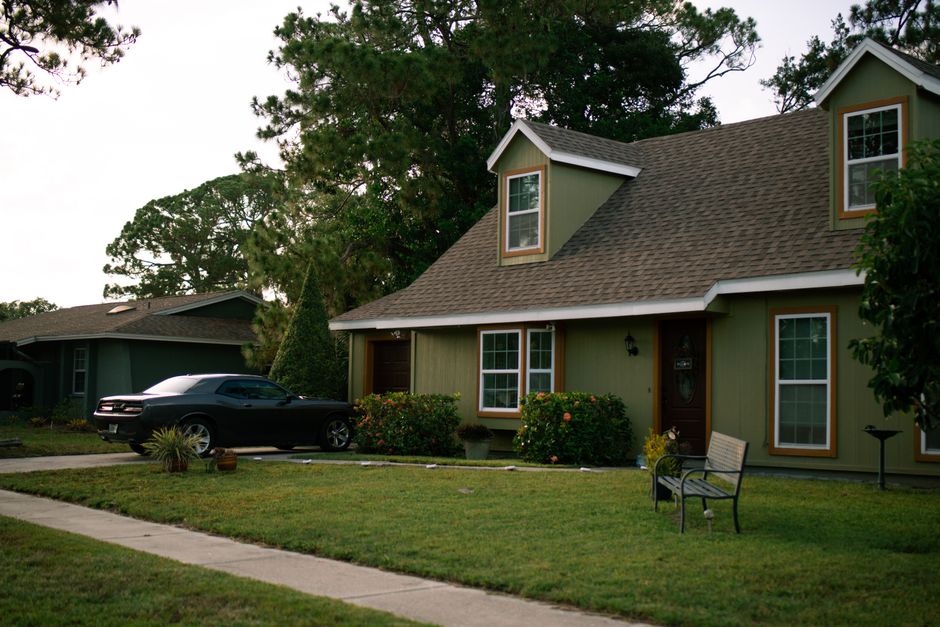
The North Central area—neighborhoods like Terrell Hills, Alamo Heights, and the broader stretch near the Botanical Garden and SeaWorld—draws a lot of retirees. Quieter than downtown, walkable in parts, with established housing stock and decent property maintenance. You're paying more here than in the outer edges, but you're getting proximity to culture, reasonably good walkability, and the feeling that you haven't moved to a subdivision of cookie-cutter stucco. Expect $200,000 to $400,000+ for a typical house.
If you want lower costs and are willing to accept a longer drive to downtown or medical centers, Bulverde sits northeast of the city, rougher around the edges but genuinely cheaper. Home prices drop notably, and you get more land. The trade-off is that it feels more suburban and you're 30 minutes from most things. Several retirees I spoke to had made this move specifically to stretch their housing budget.
Boerne, about 30 minutes northwest in the hill country, appeals to retirees who want small-town feel with slightly more landscape. It's picturesque, less scorching in summer due to elevation, and has developed a loose reputation as an arts community. Housing costs more here than in Bulverde but less than central San Antonio, and you're in a genuinely different climate zone—not dramatically, but noticeably. Tradeoff: you're now fully car-dependent and farther from the medical infrastructure.
Taxes: What You Actually Need to Know
Texas has no state income tax. This is real, it matters, and it's worth repeating: if you're moving from California, New York, or any state with income tax, this is a concrete financial benefit. You're not paying state taxes on Social Security, pensions, investment income, or anything. For someone on a fixed retirement income, this adds up.
Property tax in San Antonio proper runs roughly 0.8 percent of home value annually—manageable, but not negligible. Homeowners over 65 can claim the homestead exemption, which exempts up to $25,000 of assessed value from taxation if your primary residence qualifies. It's not a massive break, but it helps. Check the specific rules with the Bexar County Appraisal District when you're getting serious about buying.
I'm avoiding specific tax advice—that's for a CPA or tax planner, not me—but the baseline is that Texas is tax-friendly for retirees compared to most states. Sales tax runs around 8 percent, which is moderate nationally. No taxes on groceries or medication. If you're planning a move and taxes matter to your situation, run your specific numbers with an accountant, but the state structure favors retirees.

Culture, Activities, and Finding Your People
San Antonio's not Austin. It's not going to blow your mind with live music and trendy coffee shops—those exist, but they're not the main event. What the city does have is a solid museum scene, the River Walk if you can ignore the tourist hordes, strong Mexican and Tex-Mex food culture (which is legitimate culture, not just a food category), and a weird mix of Spanish colonial history and suburban sprawl that makes it feel like its own place.
For active retirees, there's decent hiking in nearby hill country, golf courses at every price point, kayaking on the Guadalupe River if you drive 45 minutes, and volunteer opportunities that run the usual spectrum—nonprofits, museums, community groups. The city's big enough to have a concert hall, a few theater companies, and enough clubs and groups that you can find your tribe if you want one. It's not that hard.
The social dynamic depends on what you're looking for. Some retirees relocate to San Antonio and slide into communities of other transplants; others integrate into longer-established neighborhoods where people have roots. Both happen. The city's big enough and transient enough that nobody's tracking who's new, which is good if you value anonymity and bad if you're hoping for tight-knit, everyone-knows-your-name small-town vibes.
A Honest Take on Moving Here
San Antonio works best for retirees who aren't chasing a specific lifestyle brand and who can handle heat without falling apart. It works if you have or can build a reasonable healthcare plan, if you want low state taxes, and if you're okay with a medium-sized city that won't constantly surprise you but won't bore you either.
It doesn't work as well if you need to be close to specific family, if you have complex medical needs requiring a major research hospital, or if you're imagining a dramatically different lifestyle than you actually live. Moving to San Antonio won't fix a lonely retirement or make you suddenly outdoorsy. It's a place, not a solution.
Do a trial run if you can. Rent for a few months before you commit to buying. Talk to actual retirees here, not just real estate agents. Run your numbers honestly, including healthcare costs you might not have thought about. Then decide whether the math, the weather, and the vibe actually work for you.
Frequently Asked Questions
What is the average cost of living for retirees in San Antonio Texas
A comfortable retirement budget for a couple in San Antonio typically runs $2,200 to $3,000 monthly, including housing ($900–$2,000), utilities ($120–$200), food, and insurance. Housing costs vary significantly by neighborhood—North Central areas cost more than Bulverde or outer suburbs. Texas has no state income tax, which reduces overall tax burden compared to many states.
Is San Antonio Texas a good place to retire for healthcare
San Antonio has solid healthcare infrastructure with UT Health San Antonio, Methodist Healthcare, and Baptist Health System providing regional medical services. Doctor availability is generally good in the city, though it varies by practice and insurance network. Confirm your specific healthcare providers accept Medicare or your insurance before moving. The city offers better medical access than rural retirement areas but less specialized options than major medical centers like Houston or Dallas.
How hot does San Antonio get in summer and can you handle the heat
San Antonio summers regularly reach 95–100 degrees from June through September, though the heat is drier than Houston's humidity. The city averages about 300 sunny days annually. Winter is mild (January lows around 50 degrees), with rare snow. If heat sensitivity is a concern, visit during July or August before committing to a move to test whether you can genuinely adapt to the climate.
What neighborhoods should retirees consider in San Antonio
North Central areas like Terrell Hills and Alamo Heights offer walkability and proximity to culture but higher housing costs ($200,000–$400,000+). Bulverde, northeast of the city, is cheaper ($150,000–$250,000) but more car-dependent. Boerne, in the hill country 30 minutes northwest, offers small-town feel and cooler summers but higher prices than Bulverde and limited urban amenities. Choose based on your budget, driving comfort, and desired proximity to medical services.
Which neighborhood would you retire in?


