
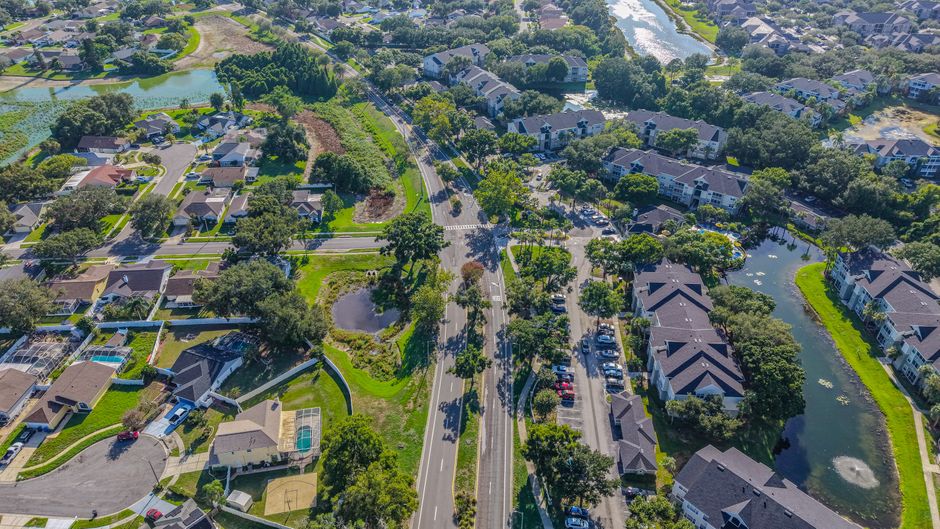
I landed in Tampa on a humid August afternoon, the kind of heat that hits you like a wall the second you step outside. Within a week, I'd talked to a dozen people in their 60s and 70s who'd made the move here—some five years ago, some just last year. They weren't all there for the beaches; most were chasing something quieter: lower taxes, walkable neighborhoods, proximity to decent hospitals, and a lifestyle that didn't require scraping ice off a windshield.
Tampa's retirement story is different from what you might expect. It's not all golf carts and early-bird specials. The city has actual neighborhoods with character, a growing medical hub, and enough cultural stuff happening that people don't feel like they're being put out to pasture. But it also has real trade-offs—summer heat and humidity that most people from colder climates underestimate, hurricane season that's genuinely worth planning around, and cost-of-living increases that have picked up steam in the last few years.
If you're thinking about retiring here, you need to see past the marketing and look at what actually happens when you live through a full year, manage your money, and figure out where you want to spend your time.
What You're Actually Paying to Live Here
Tampa's cost of living sits somewhere between cheap-and-cheerful and genuinely reasonable—which sounds vague because it is. Housing is the big variable. A modest single-family home in an established neighborhood runs anywhere from $350,000 to $500,000 depending on proximity to downtown and whether you want something walkable or suburban. Condos and townhomes are cheaper, with plenty of options in the $250,000 to $350,000 range. Rent, if you're not ready to buy, typically runs $1,500 to $2,200 for a one-bedroom in decent areas, more downtown, less in the suburbs.
Groceries, utilities, and general living costs are moderate. You're not saving money on electric bills in the summer—air conditioning is not optional—but you're not paying for heating half the year either. A reasonably comfortable retired couple I spoke with budgeted around $2,500 to $3,000 monthly for groceries, utilities, insurance, and car costs, though that varies wildly based on lifestyle and healthcare needs. Healthcare costs, though, are the wildcard. Medicare covers the baseline, but supplemental insurance, prescriptions, and specialist visits add up faster than you'd expect.
One real advantage: Florida has no state income tax. That's the headline everyone knows. What matters more is understanding that if you're living on Social Security, pensions, and investment withdrawals—not salary—that tax break is legitimate. It's not magic, and you still owe federal taxes, but it does reduce your overall tax burden compared to retiring in most other states.
Healthcare: The Reason Half These People Actually Moved Here
Tampa has two major hospital systems—University of Florida Health and AdventHealth—plus several smaller regional hospitals and a dense network of specialists and urgent-care clinics. It's a real medical hub, not just a place with hospitals. The University of Florida College of Medicine is here, which means residents have access to academic medicine and research-level care without flying to Miami or Jacksonville.
For retirees, this matters concretely. If you have a chronic condition—diabetes, heart issues, arthritis—finding a good specialist is usually straightforward. Most Medicare Advantage plans and supplemental Medicare plans have solid provider networks in the area. The wait times I heard about were reasonable; nobody complained about months-long waits like you might experience in less competitive markets.
The caveat: Tampa's healthcare infrastructure is good for managing stable, common conditions. If you have something rare or experimental, you might still end up in Miami or at Mayo Clinic in Jacksonville. Also, like everywhere, finding a primary-care doctor who's accepting new Medicare patients can take effort. The demand is high because of the retirement population. Plan ahead, don't wait until you're already moved.
Summer Heat and Hurricane Season: What Living Here Actually Feels Like
Let me be direct about this because a lot of retirement guides gloss over it: Tampa summers are oppressively hot and humid from June through September. Not desert heat—humid, tropical heat that makes you sweat standing still. Air conditioning isn't a luxury; it's a requirement. Your electric bill in July and August will shock you the first time. Most people I talked to either adjusted to it or spent two months visiting family up north.
Hurricane season officially runs June through November, and yes, Tampa is on the Gulf Coast. A direct major hurricane is genuinely rare—the last significant direct hit was in 1921. But that doesn't mean weather isn't a factor. Tropical storms, gusty rain events, and the occasional hurricane within 50 miles happen. You need a solid homeowner's insurance policy, and you need to understand what your specific property's flood risk actually is, not just what the marketing says. Storm shutters, a backup generator, and an evacuation plan aren't paranoid; they're standard here.
The real weather trade-off: mild winters and beautiful fall and spring months offset the brutal summer. November through April is genuinely excellent—70s, low humidity, absolutely no snow. If you can mentally handle the summer or plan to travel then, the rest of the year makes it worthwhile for a lot of people.
Hyde Park: Still the Most Established Neighborhood for Retirees
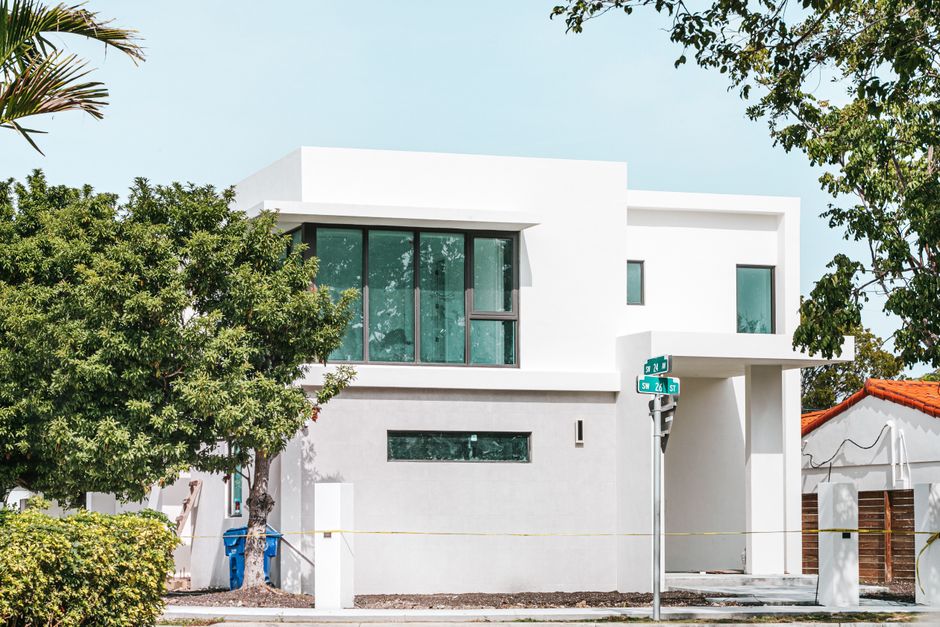
Hyde Park sits just west of downtown Tampa and has been the de facto retirement neighborhood for decades. It's tree-lined, walkable, and full of people who've been there for 15+ years. The architecture is older—mix of craftsman homes, Spanish colonial, and mid-century styles from the 1920s through 1960s. Streets are lined with actual sidewalks where you can walk to cafes, a bookstore, and local restaurants without driving.
Housing here is pricey compared to other Tampa neighborhoods—we're talking $400,000 to $700,000+ for detached homes, depending on size and condition. But you're paying for walkability, established community, and the fact that homes tend to hold value. A lot of retirees who landed here 10 years ago did so at lower prices and have benefited from appreciation. If you're moving now, you're buying at the high end.
The actual lifestyle is understated. You see couples walking dogs in the morning, people sitting on porches, a cafe culture that's legitimate but low-key. It feels like a neighborhood, not a retirement community. The trade-off is that you're not getting planned amenities, HOA activities, or the social structure of a dedicated retirement community. You're building your own life.
Sun City Center: The All-In Retirement Community South of the City
About 30 miles south of downtown Tampa lies Sun City Center, a planned retirement community that opened in 1962. It's fundamentally different from choosing a neighborhood in Tampa proper. The entire community is designed around retirement—golf courses, clubhouses, pools, organized activities, group travel. Most residents are 55+, and you're surrounded by people in similar life stages.
Housing runs from $200,000 for an older condo up to $400,000+ for newer homes. Condo fees and HOA fees are substantial—typically $300 to $500 monthly—but that covers the amenities and maintenance infrastructure. You're trading the financial and emotional burden of home maintenance for a structured community with built-in social opportunities.
The appeal is real if you want immediate community and don't want to manage a house. The downside is that you're not in Tampa proper; you're 45 minutes south in a place that feels separate from the city. If you want access to urban culture, restaurants, and medical specialists easily, Sun City Center is a weekend-trip destination, not your daily environment. It works for some people perfectly; others feel isolated within a year.

Carrollwood: Suburban Alternative That's Still Close
North of downtown, Carrollwood is a sprawling suburban neighborhood that attracts retirees who want lower density, newer homes, and good shopping and dining without the walkability premium of Hyde Park. It's more car-dependent but also quieter and less dense. Housing ranges from $300,000 to $500,000 for newer single-family homes; older properties and townhomes are cheaper.
The neighborhood has that American suburb feel—big box stores, planned strip malls, good chain restaurants, but also some local businesses. It's not fancy; it's functional. You'll find plenty of active retirement communities within the broader Carrollwood area with managed HOAs and group activities if you want structure, but you can also buy independently without being locked into a community system.
The real advantage for retirees here is that it's established but evolving, with reasonable prices, proximity to doctors and hospitals, and enough infrastructure that you're not troubleshooting basic services. The downside is that it lacks the character and walkability of Hyde Park. You're trading neighborhood charm for suburban convenience and lower housing costs.
What Nobody Tells You About Moving Here
A couple things I heard repeatedly from people who'd actually made the move: First, summer is isolating if you don't adapt. A lot of retirees plan to travel in July and August, which is fine, but also expensive. Some people stay and develop indoor routines or adjust their schedules entirely. It's not a minor inconvenience; it's a behavioral shift.
Second, Tampa's traffic has gotten noticeably worse in the last five years. I-275, the main downtown corridor, can be a mess during rush hours. If you're in a neighborhood without walkability, you're driving. That matters if you're no longer interested in commuting or you want low-stress daily life.
Third, healthcare access is good, but integrating into a health system takes time. Insurance company networks change, doctors retire, practices close. You can't just assume because Tampa has good hospitals that you'll automatically get convenient care. Spend time upfront connecting with primary care and understanding your specific insurance coverage before you move.
The Real Reason People Stay
After talking to dozens of retirees here, I noticed a pattern. The people who were genuinely happy weren't the ones who came for a checklist reason—low taxes, good weather, cheap housing. They were people who'd visited, spent a full year understanding the rhythm, and decided the trade-offs made sense for their actual life.
One retired teacher told me she came for the tax situation but stayed for the November-to-April weather and because she found a community through a local arts center. A couple from Chicago stayed because they could afford a walkable neighborhood, had good doctors, and didn't miss winter enough to justify paying 60% more in property taxes up north. A widower moved to Sun City Center and found himself actually using the community center pools and joining a group travel club.
Tampa works if you understand what you're signing up for—summer heat, hurricane awareness, active planning around healthcare, and realistic expectations about whether you want walkable urban life or suburban convenience. If you're romanticizing it or thinking it's a cure-all for retirement, you'll be disappointed. If you're doing your homework and accepting the real trade-offs, it's a genuinely viable option with lower taxes, adequate healthcare, and enough community that you can build a real life.
Frequently Asked Questions
Is Tampa a good place to retire on a fixed income
Tampa is relatively affordable compared to other warm-weather retirement destinations, with moderate housing costs and no state income tax. However, summer air conditioning bills, homeowner's insurance, and healthcare costs can add up. Whether it's suitable depends on your specific budget and lifestyle choices—it works for people earning $40,000+ annually in retirement income but requires realistic planning around living expenses.
Do you pay property taxes in Tampa Florida when retired
Yes, Florida has no state income tax, but property taxes still apply. The rate in Hillsborough County (where Tampa is located) is around 0.87% of assessed property value annually, which is lower than many northern states but still a real cost. Homestead exemptions are available for Florida residents and can reduce the assessed value by up to $50,000, which helps offset the burden for primary residences.
Is Tampa safe for retirees to live in
Safety varies significantly by neighborhood. Established retirement neighborhoods like Hyde Park and Carrollwood are generally quiet and safe. Some areas near downtown have higher crime rates. Like any city, researching specific neighborhoods, talking to current residents, and visiting at different times of day before moving is essential. Overall, Tampa doesn't have an exceptional crime problem, but it's not uniformly safe either.
How hot does it get in Tampa during summer
Temperatures regularly reach 90-95°F from June through September, with high humidity making the heat index feel significantly hotter, often 100°F+. This isn't dry desert heat; it's oppressive tropical humidity. Air conditioning is essential, and most retirees either adjust to staying indoors during peak afternoon hours or plan to travel during the hottest months.
Which neighborhood would you retire in?



