
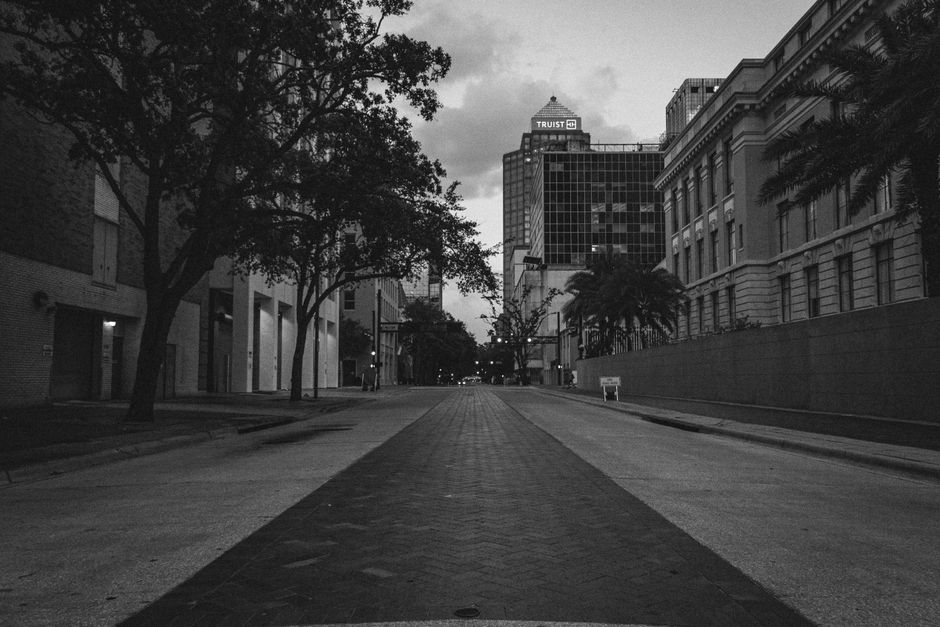
I arrived in Tampa on a Thursday afternoon with the kind of optimism solo travelers bring to any new city—and the kind of caution that comes after a few years of doing this alone. The weather was sticky-warm, the skyline visible from the highway, and I had no real sense yet of where the safe blocks were and where I'd want to stick to rideshare after dark.
Tampa is not a dangerous city by most measures. It's a working port town with decent bones, good food, and genuine neighborhood character in pockets. But it's also a real city with real variation in safety by neighborhood and time of day. After talking with residents, checking local police data patterns, and walking the streets myself, I came away with a clear picture: Tampa rewards the kind of situational awareness any solo traveler should already be practicing, but it doesn't demand paranoia.
The Overall Picture
Tampa's crime rate sits higher than the national average, which is worth knowing upfront. The FBI's Uniform Crime Reporting data shows property crime outpaces violent crime, a distinction that matters for how you actually move through the city. Theft from vehicles and petty burglary do happen. Violent crime is concentrated in specific neighborhoods and clusters, not random.
Most solo travelers who stick to downtown, Ybor City, South Tampa, and the waterfront areas report feeling fine, especially during daylight and early evening hours. The neighborhoods tourists naturally drift toward—where the bars, restaurants, and cultural spots are—have visible foot traffic and police presence. That visibility matters. A crowded street at 8 p.m. is categorically different from an empty one at midnight, even in "safe" areas.
Downtown and the Waterfront: Generally Sound After Dark
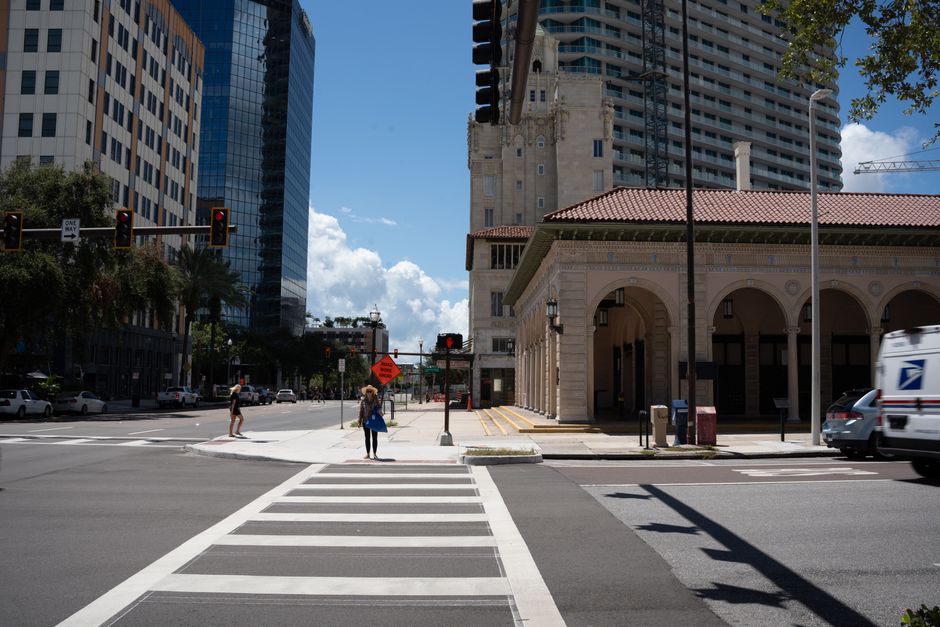
I spent two evenings walking the downtown core and the Riverwalk, and it felt like a typical mid-sized city downtown at night. Well-lit, moderately busy, people around. The Riverwalk especially—the paved path along the Hillsborough River—is clearly designed for evening foot traffic and has enough ambient activity that solo travelers feel natural there.
Frankfurt Avenue and the blocks around the Tampa Theater have that revitalized-downtown vibe: restaurants, galleries, young professionals. The usual rules apply: don't flash expensive gear, be aware of your surroundings, use your phone's maps before you start walking so you're not staring at it mid-stride. I'd walk alone in downtown during evening hours without hesitation. After midnight, rideshare becomes the smarter play—not because downtown becomes dangerous, but because foot traffic thins and you stop blending into the scenery.
Ybor City: Vibrant, Crowded, but Stay Alert Late Night
Ybor is the neighborhood with the most energy and the most reason to be here after dark. The restored brick buildings, the live music venues, the Latin history, the Dominican and Cuban restaurants—it all draws people. Friday and Saturday nights, Seventh Avenue is packed with a real cross-section of the city.
That density is its own security. Thieves and trouble-makers avoid crowds. The risk surfaces in the margins: quieter blocks one street over, the parking lots, the late-late-night hours when the crowd has thinned to just the hard-core bar crowd. Stick to the main drag (Seventh Avenue) if you're going out solo at night. Walk confidently, keep your bag close. Park well-lit if you're driving. A 10 p.m. walk through Ybor is different from a 2 a.m. one. Know that about yourself.

South Tampa and Hyde Park: Where to Relax
South Tampa—the Hyde Park area specifically, with Swann Avenue as a main artery—feels more residential and proportionally safer. Tree-lined streets, coffee shops, boutiques, galleries. The demographic skews older money and young professionals who have settled into single-family homes. You'll see solo travelers, families, people walking dogs at evening.
This is where I'd stay if I wanted the most baseline peace of mind. The tradeoff is less nightlife punch; it's quieter, which can feel boring if you're looking for action. But for safety, it's solid. Walk it during the day freely. Evenings, the same foot traffic and visibility logic applies—busy commercial strips are fine, residential side streets thin out. You're not going to get hassled, but you also won't blend into crowds the way you do in Ybor or downtown.
Areas to Avoid or Use Caution: General Patterns
I'm deliberate here: I won't name a specific street and claim danger when I haven't lived there long-term, and I won't repeat rumors. But residents and local police data point to some broad patterns worth knowing.
North Tampa—the areas well north of downtown, particularly around 40th Street and beyond—shows higher property crime and property values that don't support as much street activity. It's not cordoned off or universally dangerous, but it's the kind of neighborhood where empty lots exist and foot traffic is thinner. There's less reason for a solo tourist to be there anyway. The attractions are downtown, Ybor, and South Tampa.
Similarly, some western neighborhoods (areas west of downtown toward the airport) and pockets along Nebraska Avenue have spotty blocks. These aren't tourist corridors; you'd have to deliberately go there. If you're using rideshare and a driver seems to be taking you through an unfamiliar area, glance at the map—though GPS-routed rideshare is inherently safer than random wandering.
Vehicle Safety and Parking: The Honest Angle
Rental car theft and package theft from vehicles happens in Tampa, as it does in most Florida cities. This is worth acknowledging because it actually affects solo travelers—you might be parking at a hotel, a restaurant, or leaving a rental while you explore.
Don't leave anything visible in your car. Seriously. Not your sunglasses, not your half-empty coffee cup, not your luggage. Thieves do a quick scan; an empty-looking car is less interesting than one with a duffel bag visible. Valet parking at nicer hotels and restaurants isn't luxe in Tampa; it's practical crime prevention. If you're driving, use well-lit lots when you can. If you're parking on the street in Ybor or downtown, prioritize visibility and proximity to foot traffic. The lot half a block away that saves three dollars isn't worth it.
Solo Traveler Practical Moves
Use rideshare after 10 p.m. unless you're on a very busy, well-lit, populated street. It's cheaper than the damage of one sketchy situation, and Tampa Ubers are plentiful. Share your location with a friend back home, or use your phone's built-in safety features (iPhone has Emergency SOS, Android has similar). These aren't paranoid moves; they're basic infrastructure.
Stay in neighborhoods with foot traffic and activity. Downtown, Ybor, South Tampa, or near the airport hotels if you're transiting—these aren't just safer, they're where the actual city is. Tell someone your rough itinerary, especially if you're meeting strangers from apps. Eat in restaurants, not dark bars, if you're solo and don't know the place. Trust your gut; if a situation feels off, you have zero obligation to see how it plays out.
Daylight is your friend here, as it is everywhere. A 2 p.m. walk through any Tampa neighborhood is fine. A 2 a.m. walk through a quiet residential side street is a calculated risk you don't need to take.
The Real Tampa Move
What I liked about Tampa after a week was that it didn't require constant vigilance. It's not a city where you feel watched or threatened if you're following basic sense. The Riverwalk is genuinely pleasant. Ybor has real character. The food is good. South Tampa feels like a real neighborhood where people actually live and work.
The safety here is the safety of any mid-sized American city: pay attention, use the tools available (rideshare, street lights, crowds), avoid the obvious pitfalls, and get on with your trip. Don't let caution paralyze you, and don't pretend it's unnecessary. Tampa is neither dangerous enough to scare off a solo traveler nor safe enough to ignore situational awareness. It's a place where you can have a good time and a clear head at the same time.



