I landed in Tampa on a Tuesday afternoon with two nights to kill before heading south to the Keys. The humidity hit different than I expected—thick, immediate. I needed a bed that wouldn't crater my per-diem, and I needed to figure out fast whether to stay near the action downtown or save ten bucks by bunking farther out near the airport corridor.
Tampa's budget accommodation scene isn't flashy, but it's real. You'll find actual hostels with communal vibes, aging motels that still rent by the night, and a growing crop of extended-stay places where weekly rates beat nightly by a solid margin. The key is knowing which neighborhoods make sense for your itinerary—whether you're here for the nightlife in Ybor, a business trip to the convention center, or just passing through.
Hostel Stays: The Social Option
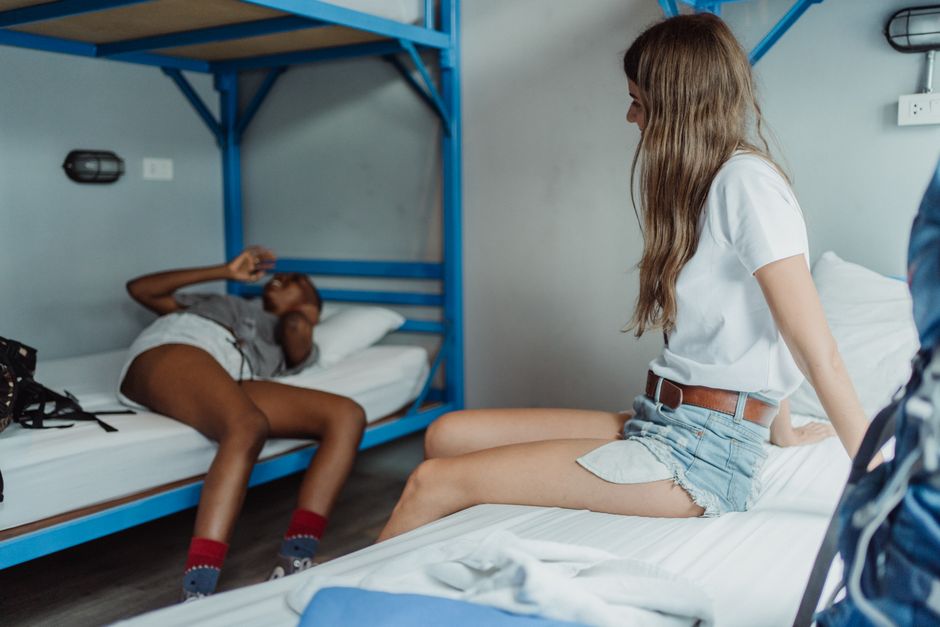
The Tampa area has a handful of legitimate hostels, mostly clustered in or near Ybor City and downtown. Expect dorm beds in the $25–$35 range and private rooms running $60–$85 per night. The trade-off is what it always is: thinner walls, shared bathrooms, and a higher chance your bunkmate will be on a different sleep schedule than you.
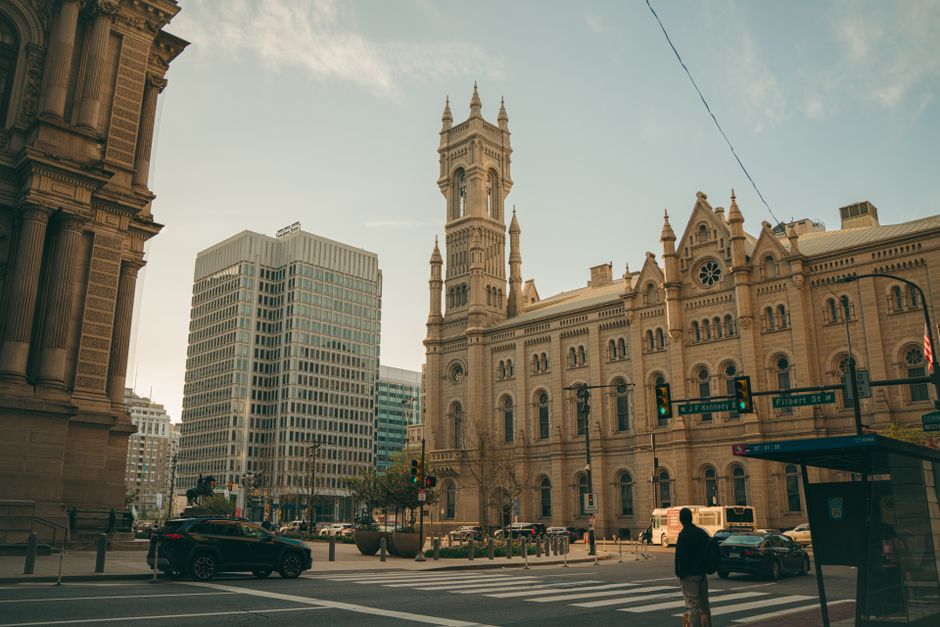
Ybor City's hostel options tend to be the most social. You're walking distance to bars, vintage shops, and street food vendors. If you're traveling solo and actually want to meet people, this is where it happens. The neighborhood itself has real character—brick streets, old cigar factories converted to galleries and clubs. It's loud on weekends, though, and parking can be a nightmare.
Downtown hostels exist but are thinner on the ground. The upside: closer to the River Walk, Amalie Arena (if there's an event), and some of the city's better restaurants. Downtown clears out after dark, which some travelers prefer and others find isolating. Transit connections are decent if you need to get elsewhere in the city.

Budget Motels: Where Location Meets Price
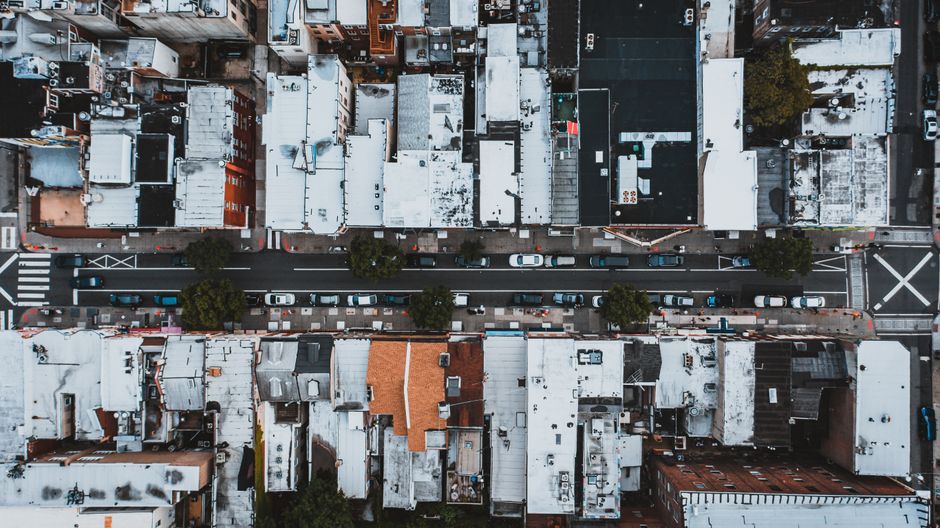
There's no point sugarcoating it: the motels that rent cheap rooms in Tampa aren't winning design awards. But they're clean enough, and they're everywhere. The Westshore area, the corridor near the airport (Kennedy Boulevard and beyond), and scattered pockets along Florida Avenue all have chains and independent operators running nightly rates under $60, sometimes under $50 if you book smart.
The airport vicinity—roughly a 20-minute ride from downtown—is where you find the densest clustering of budget options. Rooms are smaller, amenities are basic, but you get a private space, a parking spot, and no stranger stealing your pillow. If you're renting a car, this works fine. If you're relying on rideshare or transit, factor in the extra cost of getting downtown.
Florida Avenue heading north and south has older independent motels that cater to weekly and nightly guests. Cleanliness varies, and you'll want to check recent reviews carefully. Some are fine; some aren't. The neighborhood itself isn't unsafe, but it's not a tourist destination either. You're looking at a 15–20 minute ride to downtown depending on traffic.
Extended-Stay Hotels: Better Rates for Multiple Nights
If you're staying four nights or longer, skip the nightly rate math and look at weekly pricing. Extended-stay chains like Motel 6, Red Roof, and some of the independent operations in the same category will drop rates by 20–30% if you're booking a week. A room that's $55 a night might be $210 for a week—that's $30 a night, a real difference on a tight budget.
These places come with a kitchenette or at least a microwave and mini-fridge, which means you can buy groceries instead of eating every meal out. The rooms are functionally identical to the nightly-rate motels, but the longer-term crowd tends to be quieter. There's less turnover, fewer random characters passing through.
The downside: you're locked in for a week, so you can't pivot to a different neighborhood if you hate where you landed. Read reviews carefully. A place that's fine for three days can feel depressing on day six if the vibe is off or the area doesn't suit your style.

Ybor City: Culture and Noise
Ybor is Tampa's most distinctive neighborhood, and the budget accommodations reflect that. You get history—literally, since much of the architecture dates to the late 1800s when it was a cigar-manufacturing hub. The street-level energy is real. Latin restaurants, vintage bars, galleries in old warehouses, live music venues tucked into corners.
Budget rooms here tend to be either in hostels or small independent hotels that have been around for decades. Prices are slightly higher than motels near the airport—you're paying for location and atmosphere. But if you want walkable nightlife and an actual neighborhood feel, this is where you get it in Tampa.
The trade-off: it's loud. Especially Thursday through Sunday. If you're a light sleeper, earplugs aren't optional. Parking is street-only in most areas, and it fills up fast on weekends. If you're not going out, Ybor can feel less useful. If you are, it's hard to beat.
Transit, Parking, and Getting Around
Tampa's public transit system (HART) is functional but limited. Buses run downtown and to major corridors, but coverage thins out quickly beyond those routes. A single ride is $2.75; a day pass is $5. If you're staying downtown or in Ybor, you can walk most places or use transit for longer trips. If you're in a motel near the airport or on Florida Avenue, you're looking at rideshare or a rental car.
Parking in downtown and Ybor is paid street or lot parking—usually $5–$10 for a day, free late at night. If you rent a car for a few days, factor in parking costs. They add up fast. Many budget motels include free parking, which is one reason the airport corridor is popular for car renters.
Rideshare is expensive if you're doing it daily. But for one or two trips, it's often cheaper than a rental car if you're not staying long. Know your own travel style before deciding. A trip to the airport from downtown is $15–$25 depending on surge pricing. That's real money when you're watching every dollar.

Neighborhoods Beyond the Tourist Spine
If you're willing to venture outside Ybor and downtown, you can save money and see a different side of Tampa. Hyde Park, just south of downtown, is walkable, has its own restaurant scene, and budget rooms exist here, though they're thinner on the ground. It's more residential, less party-centric.
The Carrollwood area, north and inland, is suburban but has chain budget motels and closer proximity to some of Tampa's better parks and outdoor spaces. You're farther from the central tourist action, but it's quieter and can feel more authentically Floridian if that appeals to you.
Westshore, which wraps around the western side of the downtown core, is mostly commercial and residential sprawl. Budget motels cluster here, and prices are competitive. It's a car-dependent area, though, and there's not much reason to spend your evenings here unless you're working or just need a place to sleep.
When to Book and What to Actually Check
Weekday rates in Tampa are usually $10–$20 cheaper than weekend rates, even at budget places. If you have flexibility, Monday through Thursday is your sweet spot. Summer (June–September) is also cheaper because of heat and hurricane season, though it's genuinely hot and humid—not everyone's preference.
When you're scanning listings, ignore the description fluff. Read the recent reviews, specifically the complaints. Noise, cleanliness, water pressure, and parking hassles are what people complain about. If three recent reviews mention the air conditioning struggling or the neighborhood being sketchy, believe them.
Call ahead for motels if the price seems too good to be true. Some still run old reservation systems or will quote different rates over the phone versus online. Ask about weekly rates even if you're only staying four nights—sometimes they apply. Ask if breakfast is included (some budget motels have a basic continental setup). Small details that save five bucks here and there add up.
Frequently Asked Questions
How much does a hostel cost in Tampa per night?
Dorm beds in Tampa hostels typically run $25–$35 per night, while private rooms range from $60–$85. Prices fluctuate based on day of the week and season, with weekday rates usually lower than weekends. Most hostels offer discounts for weekly bookings.
Is it cheaper to stay near the airport or downtown Tampa?
Staying near the airport is typically $5–$15 cheaper per night, but you'll spend that difference on rideshare to get downtown. If you have a rental car, the airport area is a clear win. Without transportation, downtown or Ybor saves you money overall despite higher room rates.
What's the safest budget neighborhood to stay in Tampa?
Downtown and Ybor City are the safest and most walkable neighborhoods for budget travelers, though both have areas that quiet down after dark. Extended-stay areas near the airport and Carrollwood are also secure but less social and more car-dependent. Always check recent reviews for any accommodation before booking.
Can you get a private room in Tampa for under $60 a night?
Yes, private rooms in budget motels throughout Tampa, particularly near the airport and on Florida Avenue, range from $50–$60 per night. Weekly rates often drop to $30–$35 per night if you're staying longer. Ybor and downtown private rooms typically start higher at $60–$75.
Which place would you book?