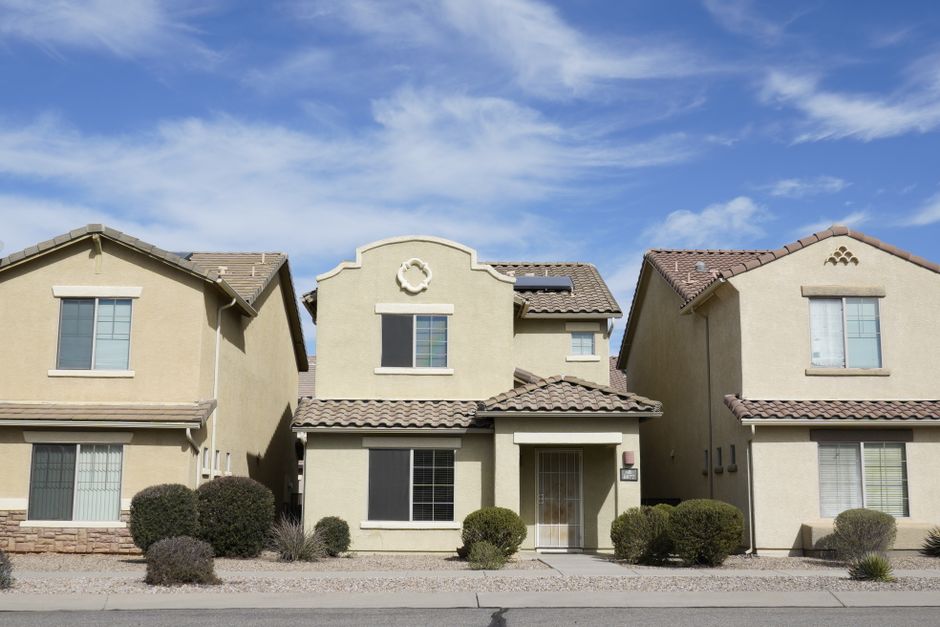
I rolled into Tucson on a February afternoon when the temperature was hovering around 72 degrees, and I immediately understood why people move here to retire. The sky was impossibly blue. The mountains ringed the city like a fortress. Everyone I talked to in coffee shops seemed relaxed in a way that felt genuine, not performative.
But I also wanted to understand what life actually looks like year-round for someone who's decided to spend their later years here. Not the brochure version—the real one. So I spent time talking to people who've already made the move, poked around neighborhoods, checked on healthcare infrastructure, and dug into the financial picture. What I found is more nuanced than the retirement-destination headlines suggest.
Cost of Living: Real Money, But Not Cheap
Tucson's reputation as an affordable retirement destination has some merit, but it's worth interrogating. Housing costs have risen noticeably over the past few years. You won't find the deals you might have found in 2015. A modest one-bedroom home in the better-established neighborhoods runs solidly into the $300,000s and up. Renting is an option—you can find apartments for retirees around $1,200 to $1,600 monthly, depending on location and amenities, which sits reasonably against national averages.
Groceries, utilities, and gas are generally below the national average. Groceries especially feel cheaper here than they did when I priced them out in the Southwest a couple years back. Your monthly grocery bill for a household of one or two will likely run $200–$350. Utilities for an average home run maybe $120–$180 in mild months, though summer cooling can spike that number. Arizona has no state income tax on retirement income if you're over 55 and receiving certain qualified distributions—that's worth understanding with a tax advisor, but don't rely on blanket statements about "no taxes in Arizona."
The real savings come from avoiding Northeast or California costs, not from finding a bargain basement. Healthcare and insurance costs can eat into whatever you save elsewhere, so don't assume a move here means a dramatic shrink in your monthly burn rate without looking at your specific medical picture.
Healthcare: Good Infrastructure, But You'll Do Your Homework
This is the category where Tucson actually delivers. Banner University Medical Center and other major hospitals provide solid care, and there's a genuinely robust network of specialists and clinics. The University of Arizona's medical school presence means ongoing research, which tends to keep medical practices relatively current.
For Medicare recipients, Tucson has decent network options from major insurers. Primary care physicians aren't impossible to find, though like everywhere else, the wait for initial appointments can stretch four to six weeks during busy seasons. The city's size—around 540,000 people—means you get urban-level medical infrastructure without the chaos of Phoenix or Los Angeles.
Retire-specific practices and geriatric specialists exist, though you'll want to research actual doctors rather than just assuming availability. Several nursing facilities and assisted living communities operate here, and quality varies significantly. Don't trust marketing brochures alone; talk to people who've moved family members into these places and ask specific questions about staffing ratios and actual day-to-day operations.
The Climate Gamble: Winter Heaven, Summer Reality
Yes, Tucson winters are genuinely beautiful. From November through March, the weather is basically perfect for people who hate cold. I sat outside in January and understood completely why someone would move here just for that stretch.
But the rest of the year is brutal. Summer temperatures regularly hit 110 degrees, sometimes climbing into the 115–120 range. Your air conditioning won't be an optional luxury—it's a necessary expense that runs constantly from June through September. That cooling bill can double or triple in summer months compared to winter. The dry heat is manageable compared to humid climates, but it's still hot. If you've spent time in a desert summer, you know the feeling: stepping outside is genuinely uncomfortable, and you learn quickly why people stay inside during peak afternoon hours.
Monsoon season (July–September) brings intense afternoon storms, dust storms, and flash flood risks, especially in some neighborhoods. For people with respiratory issues or joint problems triggered by humidity swings, these months can be rough. The other side of that coin: humidity is generally low, which suits some people's health needs perfectly.
Neighborhoods: Where Retirees Actually End Up
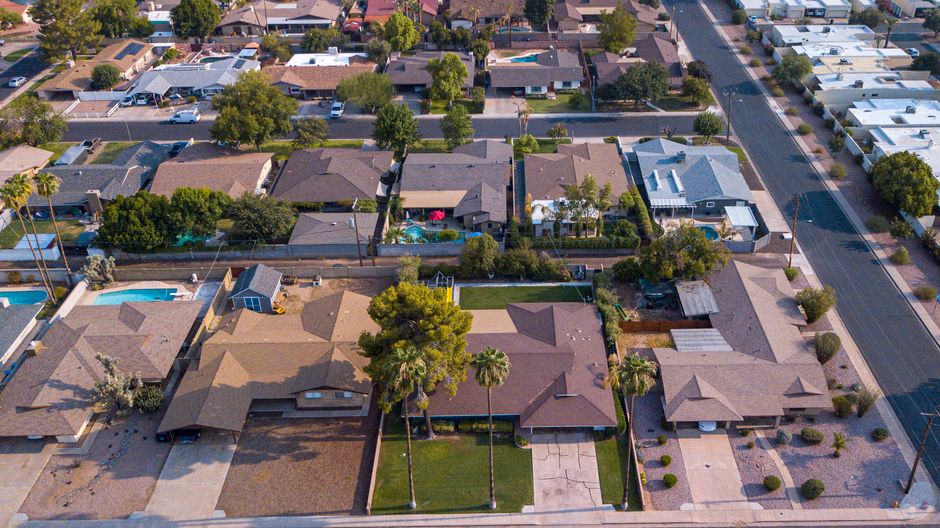
Tucson doesn't have one obvious retiree enclave like you'll find in some Sun Belt cities, which is partly refreshing and partly means you have to figure out where to look.
Foothills communities—Oro Valley and Marana north of the city—attract a solid mix of retirees and working families. These feel suburban and quieter than central Tucson, with access to hiking and outdoor recreation. Housing costs run higher here than central Tucson proper, but the neighborhoods are stable and services are reliable. Oro Valley especially has a reputation for community activities and a concentration of semi-retirement-focused living situations.
Central Tucson neighborhoods like Sabino Foothills and parts of the midtown area appeal to retirees who want walkability and easier access to restaurants, galleries, and cultural events. These areas feel younger and more urban than the Foothills communities, which matters if you want to avoid isolation or if you're the type who actually goes out regularly. Housing varies wildly by block—some streets feel genuinely well-maintained and desirable, others less so. You'll want to walk neighborhoods at different times of day.
Ajajo, southwest of downtown, offers a mix of older established housing and newer retirement-focused communities. It's closer to Arizona-Sonora Desert Museum and some outdoor recreation. The neighborhood has received investment in recent years, though it still feels less polished than Foothills areas.
Green Valley: The Satellite Option
About 30 miles south, Green Valley operates almost as its own retirement ecosystem. It's denser with retirees than Tucson proper, built around golf, planned communities, and a quieter pace. Sun City Summerlin is the largest retirement community there, and nearby you'll find smaller developments marketed specifically to the 55-plus crowd.
Green Valley has lower housing costs than north Tucson in many cases, and a more genuinely senior-oriented feel. The tradeoff: you're farther from major medical facilities and cultural activity. It's also hotter in summer—being 2,000 feet lower elevation than Tucson proper matters more than you'd think. If your picture of retirement involves golf courses, planned community amenities, and other retirees as the primary social pool, Green Valley works. If you want walkability, independent restaurants, or a mixed-age community, Tucson proper or the Foothills make more sense.
I talked to a couple who moved to Green Valley three years ago and genuinely loved it, but they were emphatic: it's not for everyone. "It's very residential and very scheduled," one said. "If you need spontaneity or you get bored easily, you'll struggle." That's worth hearing before you move.

Taxes, Bureaucracy, and the Fine Print
Arizona has no state income tax on certain retirement distributions, which gets quoted constantly and accurately but deserves context. Social Security retirement benefits aren't taxed by Arizona, which is genuinely helpful. Pension income and distributions from retirement accounts can receive preferential treatment depending on the source. But property taxes exist here—they're moderate compared to some states but not negligible. Combined with federal taxes still applying to most retirement income, don't assume you're moving to a tax-free haven.
Land in Arizona is held in a way that can occasionally surprise newcomers. Water rights matter more here than in most places—it's not something that typically affects retirees in cities, but it's worth understanding that the desert has constraints that green landscapes don't.
Speak with a tax professional before making moves, especially if you're working with significant retirement assets. Different types of retirement income are treated differently, and what works for one person's situation can be suboptimal for another's.
The Unspoken Stuff: Isolation, Community, and Actually Liking It Here
This is the part that doesn't get covered in retirement guides. Moving somewhere new at 65 or 75 is isolating if you don't actively build a social structure. Tucson has organizations, clubs, and meetup groups that cater to retirees, but showing up takes initiative. The Arizona Hiking Club, various book groups, community colleges offering classes—these exist and are accessible, but they require you to be the person who actually goes.
Retirees who thrive here tend to be the ones who either have family in Arizona already, or who were intentional about joining groups and activities within the first year. The ones who move expecting a community to materialize around them often end up disappointed and isolated. That's not a Tucson problem specifically—it's a human problem—but it's worth acknowledging.
The city itself is genuinely interesting if you engage with it. There's a real arts scene, actual restaurants worth visiting (not just chains), mountain recreation that's legitimately world-class. But you have to want those things and be willing to go after them.
So, Is It Right for You?
Tucson works well for retirees who value mild winters, reasonable healthcare access, outdoor recreation, and a laid-back urban feeling. It works less well for people who absolutely cannot tolerate heat, need cutting-edge specialized medical care constantly, or will become isolated without a strong built-in community.
The financial picture is comfortable but not cheap. You're saving compared to coastal retirement destinations, but not dramatically. The weather matters enormously—ask yourself honestly if you can handle summers. Healthcare infrastructure is solid but requires some homework to navigate well.
If you're considering this seriously, spend time here during different seasons. Rent for a month or two. Talk to people who've actually retired here, not developers selling you a dream. The people I spoke with who made the move intentionally and stayed happy were the ones who came in with realistic expectations and actively chose to engage with the place. That's not magical thinking—it's just how retirement in any location actually works.