
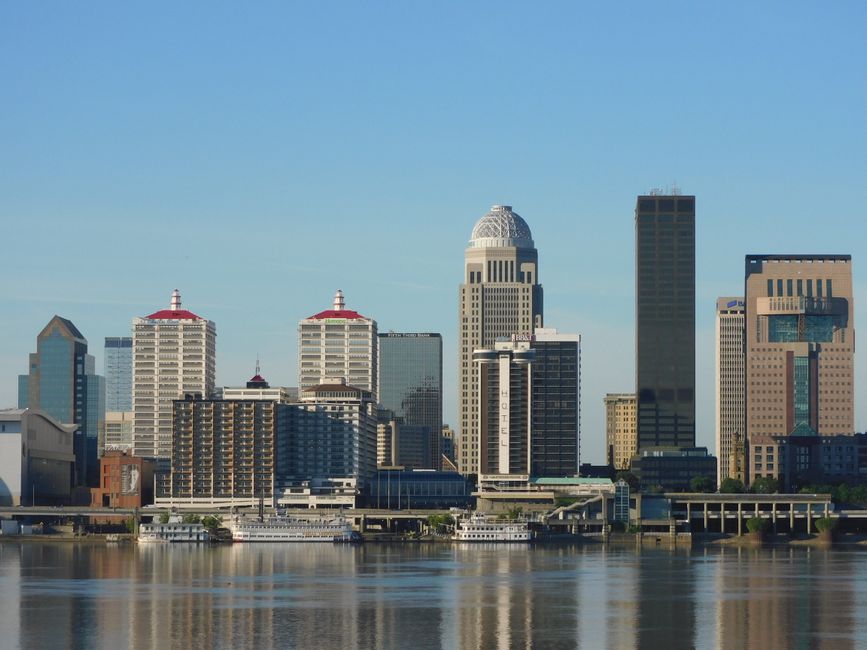
I landed in Louisville on a Thursday afternoon with the usual mix of curiosity and mild anxiety that comes with any solo trip to a city you don't know. The cab driver from the airport was chatty, friendly—the kind of thing that immediately sets you at ease. By the time I was checking into my hotel in the Old Louisville neighborhood, I'd already decided this wasn't the kind of place where you need to spend the whole visit white-knuckling your bag.
That said, Louisville is a real city with real neighborhoods. Some are great, some are rough, and most are just fine depending on what time it is and how much common sense you're using. I spent a week here, talked to locals, walked around at different hours, and got a clear picture of how to move through it safely.
The Reality: Most of Louisville Is Perfectly Safe
Let's start with what matters: the vast majority of Louisville is safe for solo travelers. The downtown core, the Highlands neighborhood, Bardstown Road, the waterfront—these are active, populated areas where thousands of people move around day and night without incident. If you're staying in Old Louisville, the Highlands, or anywhere near the main attractions, you're not in a high-risk situation.
The city's violent crime rate is higher than the national average, which is something you'll read in any travel advisory. But that's largely concentrated in specific neighborhoods that tourists have no reason to visit. Like most mid-sized American cities, Louisville has pockets of economic distress that correlate with property crime. You don't need to avoid the city because of that—you just need to move through it with the same awareness you'd use in any unfamiliar place.
I walked around downtown at 11 p.m. multiple times, took the streetcar alone, sat in parks during the day. Uneventful. Felt fine. The people I talked to—shopkeepers, bartenders, a local journalist—all said basically the same thing: stick to the main areas, don't leave valuables visible in your car, and use your eyes when you're out after dark.

Neighborhoods Worth Being Cautious About
West Louisville, particularly areas west of 18th Street and north of Broadway, has the highest concentration of property and violent crime. This isn't some invisible problem—it's well-documented, and residents there will tell you directly about vacant lots, disinvestment, and persistent safety issues. As a solo traveler, you have no reason to be in these neighborhoods. There's nothing touristy there, and even locals from other parts of the city often don't go. That's not a judgment—it's just logistics.
Russellville Road in the south-central part of town has pockets of activity that aren't great late at night, and I heard a couple of locals mention some areas around I-64 between downtown and the eastern suburbs as places where you'd want to know where you're going rather than wandering. But again, these aren't places where tourists accidentally end up. You're not going to stumble into these areas from your hotel.
What I Actually Did: Practical Movement Tips
I used rideshare after dark when I wasn't sure about a route. It cost an extra $8–12 compared to walking, which felt like reasonable insurance for someone traveling alone. During the day, I walked freely in downtown, through the Old Louisville Victorian district, along the Waterfront Park. All fine. The neighborhoods east of the Highlands—Crescent Hill, Clifton—are residential and well-maintained.
I avoided walking with my phone in my hand while crossing the street or looking obviously distracted. Not because Louisville is uniquely dangerous for that, but because that's just how you move through any city alone. I didn't leave anything valuable visible in a parked car. Same basic rules you'd apply anywhere else.
The streetcar line that runs up Bardstown Road and through downtown is safe during operating hours and actually a nice way to get a sense of the city without driving. It runs until around 11 p.m. and is well-used by families, young people, tourists—the normal mix of urban transit.
Downtown and the Waterfront: The Tourist Core
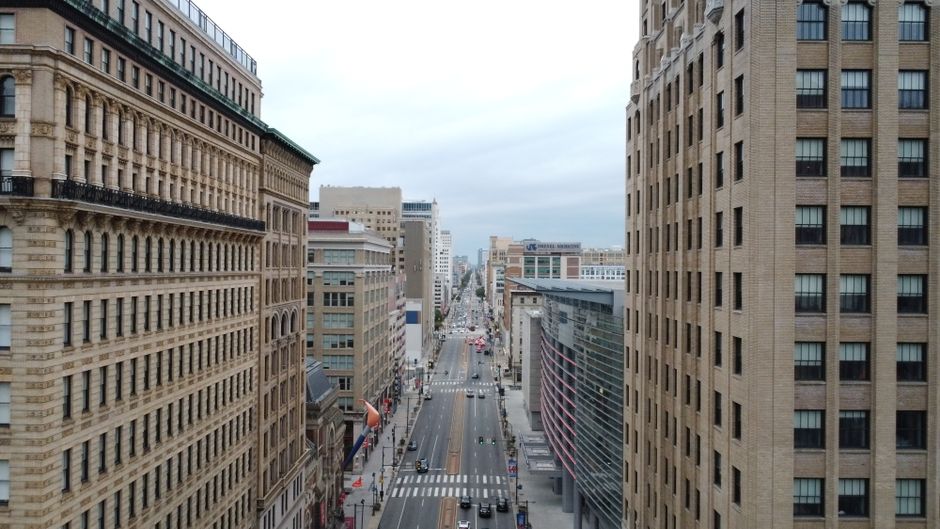
Downtown Louisville, especially around the waterfront and Waterfront Park, is actively policed and busy during business hours and in the evenings. The KFC Yum! Center is there, along with the Louisville Slugger Museum, the Frazier History Museum—the usual spots. I never felt unsafe in this area at any time I visited, though the usual caution applies: don't flash expensive stuff, be aware of your surroundings like you would in any downtown anywhere.
Just east of downtown, the Old Louisville neighborhood is home to a lot of young professionals, students, and long-term residents. It's genuinely nice for walking around, checking out the Victorian architecture, hitting up the various bars and restaurants. I felt totally comfortable there solo.
Late Night and Solo Evening Movement
After 10 p.m., my strategy changed, but not because I felt threatened—just because that's when less-lit blocks have fewer people and it makes sense to use a car or rideshare if you're going anywhere off the main strips. A ride from downtown to the Highlands at midnight cost about $8. Reasonable price for the peace of mind and the fact that you don't have to think about how well-lit your route is.
The one bar scene I wandered into in the Highlands late on a Saturday was packed, normal, boisterous—fine. But I didn't try to walk it from downtown at 1 a.m. in an unfamiliar part of town. That's not a Louisville-specific thing; that's just solo travel sense.
Practical Stuff: Transit, Parking, Valuables
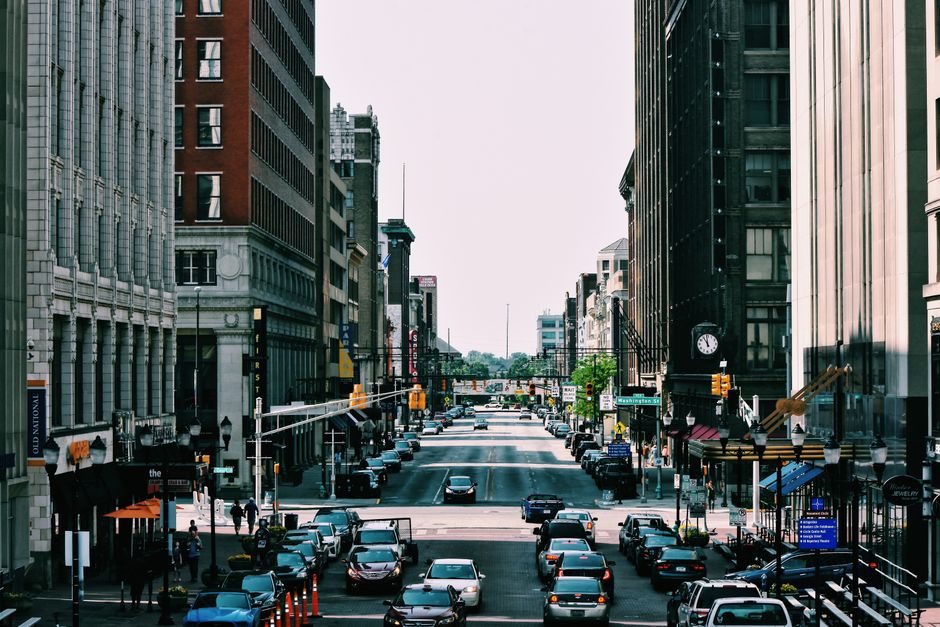
TARC (the local transit authority) runs the buses and the streetcar. Routes are straightforward, service is available until late evening, but I didn't use the bus much as a solo traveler because the rideshare coverage was cheaper and easier for navigating in the dark. Worth considering if you're staying longer and want to learn the routes in daylight.
If you rent a car, park in well-lit lots and don't leave anything visible inside. Standard stuff. Downtown parking is straightforward—lots are visible and consistent in price. I parked in a garage near my hotel for $12 a day and never had any issues.
Don't carry large amounts of cash. Cards work fine everywhere from the bourbon bars on Main Street to the restaurants in the Highlands. The one time I stopped at a convenience store, the attendant was locked behind plexiglass, which I'd characterize as standard urban precaution rather than anything specific about Louisville being especially unsafe.
The Local Consensus: Safety Gets Overstated and Understated Both Ways
I talked to a journalist who covers the city, a couple of bartenders, a tour guide, and a woman I met at my hotel who lives here. Nobody said Louisville was dangerous for tourists. Nobody said it was risk-free either. They all said the same thing, more or less: don't go to neighborhoods you don't have a reason to be in, move around with your head up, use common sense about timing and visibility. That's it.
The city has real economic divides and real crime in certain areas. It also has thriving neighborhoods, good food, genuine bourbon bars, and people who are genuinely friendly to visitors. You balance that the way you do in any city: show up prepared, stay aware, and don't treat a mid-sized American city like you're walking through a warzone because you read something on the internet.



