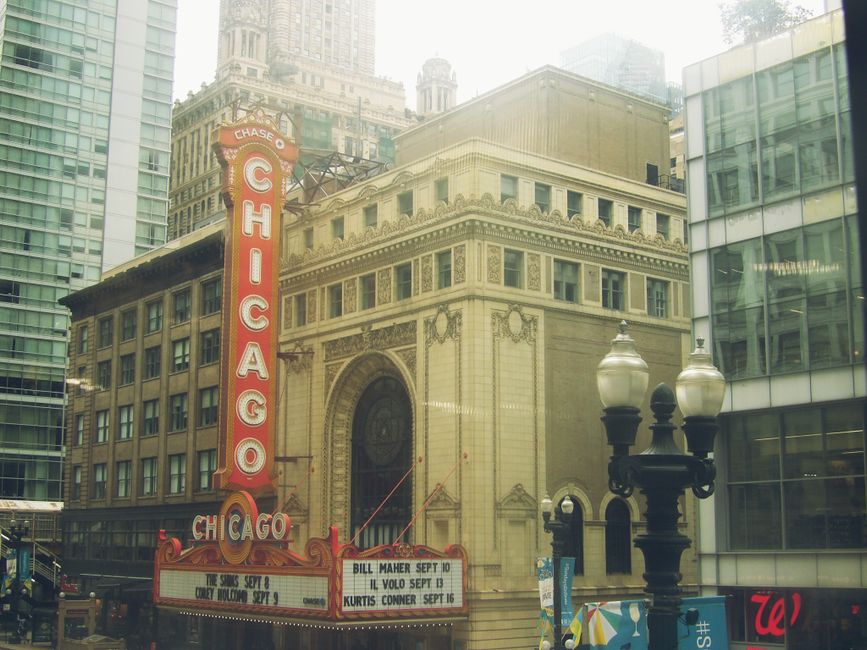
I landed at O'Hare on a gray October morning, same as I've done five times before. Chicago doesn't announce itself like New York does—there's no skyline moment when you cross a bridge. The city just spreads out, flat and honest, and you either get it or you don't.
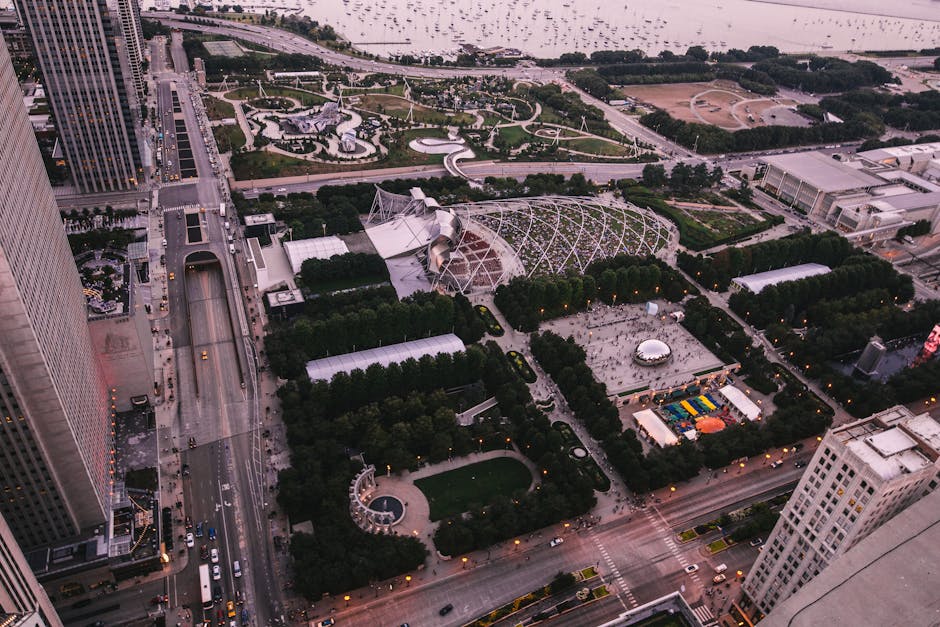
Most visitors don't. They follow the same script: snap a selfie at the Bean, wait in line for Cloud Gate, shuffle through Millennium Park on the Lurie Trail with ten thousand other people doing the same thing. I'm not saying it's wrong exactly. But after a few trips, you realize Chicago's best experiences aren't the ones with the longest Instagram captions.
Here's what I've learned works and what doesn't—at least in my own stubborn, opinionated way.
The Overrated: What Everyone Fights Over
Let's start with Navy Pier. Look, I get why it exists—it's a pier, it's on the lake, the Ferris wheel is colorful. But you're paying premium prices to shuffle through a commercial arcade with a view you can get for free almost anywhere along the Lakefront Trail. The attractions feel tired, the crowds are real, and unless you're traveling with kids who specifically need a Ferris wheel experience, you're mostly just waiting in line to take a photo you'll forget by next week.
Millennium Park is similar, except worse because it's free. Paradoxically, the free part makes people think they have to see it. Cloud Gate—that's the Bean—is a perfect mirror. Literally. Thousands of people take the exact same photo there every day. The park itself isn't bad; the AT&T Plaza and Lurie Garden are genuinely pleasant. But the Bean experience feels like visiting a monument to a selfie rather than experiencing the city.
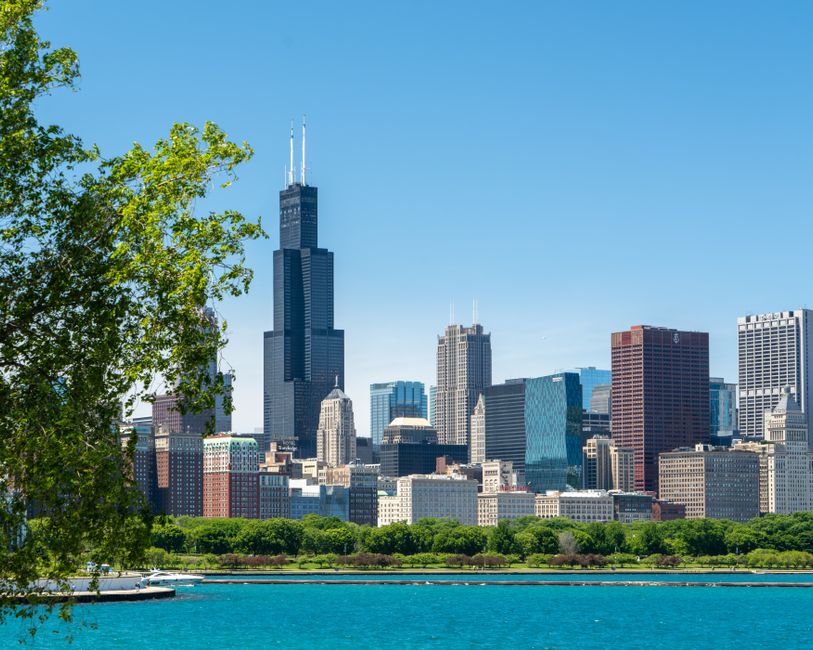
The 360 Chicago observation deck is pricey and the Skydeck at Willis Tower is marginally cheaper but equally touristy. Both cram you into an elevator and charge you $25 to look down at the city you're already standing in. The view's fine, sure, but so is standing on a high floor of literally any other tall building in Chicago. The Signature Lounge is at least in a bar where you can sit and have a drink without the souvenir-shop markup.
The Architecture Tour That Everyone Takes
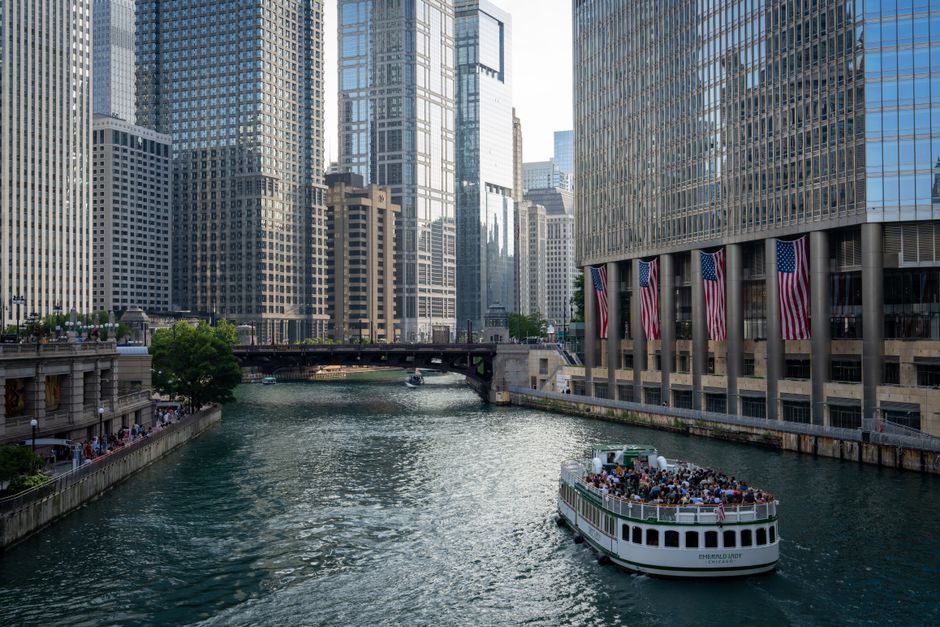
The architectural boat tours along the Chicago River are the safe choice. They're informative, they're popular, and they have real merit—the buildings are genuinely stunning. But if you've been on one once, the idea of doing it again starts to feel rote. The real move is to walk the north bank of the Chicago River yourself on a weekday morning and actually enter some of the buildings. Walk into the lobby of the Carbide & Carbon Building. Look up. This is free. The people who sell you the tour don't want you to know that most of the best views are in the lobbies of office buildings that let you walk right in.
Tourists also overhype the 606 Trail, the elevated park that runs through several neighborhoods. It's pleasant, sure, but it's basically a long, linear park where you walk in one direction and then walk back. If you want trees and space, the Lincoln Park Conservatory is free, actual nature rather than converted infrastructure, and no one's elbowing you for a photo op.
The Underrated: Where Real Travelers Actually Go
The Museum Campus museums—the Field Museum, the Shedd Aquarium, the Museum of Science and Industry—sit at the south end of Grant Park, and most visitors either skip them entirely or hit them in a rushed, box-checking way. The Field Museum is actually exceptional if you ignore the crowds and sit with specific exhibits. The dinosaur hall is still good. But the real underrated move is the Museum of Science and Industry, which most people think of as a children's museum. It's not. The German U-505 submarine you can actually board and walk through is disorienting and real in a way that most museum experiences aren't. It's a captured WWII submarine. You're inside it. That changes things.
The Garfield Park Conservatory is genuinely one of the world's best botanical spaces, and I mean genuinely, not hyperbole. It's enormous, it's ornate, and it's mostly empty because people are at Millennium Park taking photos. The Desert House alone is worth forty minutes. This is on the west side, which means fewer tourists, lower Instagram density, and you can actually breathe. Admission is free. Go on a weekday morning.
The Lacuna Lofts Building in Pilsen is home to dozens of artist studios and galleries. You can walk through, buy original art directly from people making it, and nobody's selling you a $12 bottle of water. Pilsen itself has become more touristy in recent years, but it's still the real version of Chicago art culture—not the sanitized gallery version you get in River North.
For a neighborhood walk that doesn't feel like a scripted Instagram route, head to Lincoln Square instead of Wicker Park. The same kind of independent bookstores and coffee shops exist, but without the performative vibe. Merz Apothecary, which opened in 1875, still makes custom tinctures. Griffith House is a beautiful Victorian mansion you can tour. The whole neighborhood feels like actual people live there, which they do.
Food and Drink: Skip the Lines
Chicago's food reputation is built on deep-dish pizza and Italian beef sandwiches, both of which are undercut by three hours of waiting and mediocre execution at the famous places. You're better off getting a real Italian beef from a random place in Bridgeport than standing in line at somewhere with a gift shop. Portillo's is a chain now, fine, but it's still faster and more honest than the spots that built their brand on being touristy.
For beer, everyone goes to breweries that are basically beer theme parks. Pipeworks Brewing or Haymarket Pub & Brewery in Pilsen make better beer, run quieter taprooms, and won't make you wait forty minutes for a beer that costs the same as the hype version. The West Loop brewery scene is intentional and good, but if you want actual character, grab a table at a longtime neighborhood bar instead. Most of them have better beer selections than they get credit for.
Deep-dish pizza: get one slice at a regular place, eat it, move on. The search for "the best" is a tourist trap. It's good, not transcendent. Al's Beef or Johnnie's Beef will feed you faster and better than the lineups. Stevie B's Pizza in the West Loop does thin-crust New York style that beats most of what passes for pizza tourism in this city.
The Neighborhoods That Matter
Wicker Park has been fully gentrified and now mostly caters to people from out of town who think they're discovering something edgy. It's not edgy. It's expensive boutiques and brunch spots with lines. Bucktown next to it has aged better because it never committed fully to being a destination. You can actually get a real coffee there without the theatrical presentation.
Ravenwood on the far north side is where actual Chicagoans go. The Ravenswood Green Line corridor is the kind of place that locals recommend to locals, not to tourists. There's Lacuna Lofts again—it spans both—but also just quieter blocks where you can get a sense of how the city actually functions. Noble Square and areas further west have similar energy without the performance.
The South Shore Cultural Center is a massive, stunning Art Deco building on the lakefront that almost nobody visits because it's on the south side and the guidebooks don't mention it. Take the Green or Orange Line south and spend an afternoon there. It's a functioning community center with pristine architecture, a beach, and minimal crowds. That's Chicago, actually.
What Actually Makes Chicago Work
The real appeal of Chicago isn't the branded attractions. It's the basic architecture of living here—the neighborhoods feel lived in, the public transit isn't broken, the lake is genuinely there for free whenever you want it. You can take the Red Line to Uptown and walk around an entirely different city than downtown. That kind of variation is what most cities can't deliver.
Spend your time moving between neighborhoods. Take public transit like you live here. Get a Chicago Card, ride the trains, walk along the Lakefront Trail on a morning when it's quiet. Eat at a place that doesn't cater to tourists. The 1933 Group has interesting beer and a real neighborhood bar feel. Sit in a diner. These aren't unique to Chicago, but Chicago does them without irony, and that's the difference.
Skip the viewing decks and the piers. Walk the 606 Trail if you want, but don't make it your whole day. Go to the Field Museum if you're specifically interested in dinosaurs or ancient Egypt. Otherwise, hit the neighborhoods. The city is better when you're not following a script, and Chicago's actually good enough that you don't need a script.
Frequently Asked Questions
is Chicago worth visiting for the architecture
Yes, the architecture is legitimately significant. The best way to see it is on foot through the Loop and along the Chicago River, or on an official architectural boat tour. Walking the lobbies of major buildings like the Carbide & Carbon Building is free and often more interesting than paid tours. The Willis Tower Skydeck and 360 Chicago observation decks offer views but aren't essential—you can see the skyline from the lakefront or street level.
what is the best neighborhood to stay in Chicago
It depends on your style. Lincoln Park and River North are touristy but walkable with good restaurants. Wicker Park and Bucktown offer a more neighborhood feel but are increasingly gentrified. Ravenswood, Lincoln Square, and Pilsen are quieter with authentic local character. The Loop is convenient if you're museum-focused but less residential. Most neighborhoods are well-connected by the L train (elevated transit), so your choice usually comes down to what vibe you want.
do you have to wait in long lines at Chicago attractions
For the major attractions like Cloud Gate, Navy Pier, and the Willis Tower, yes—expect waits, especially on weekends and during peak hours. Visiting early morning or on a weekday helps. However, many of Chicago's best experiences—the Garfield Park Conservatory, museums like the Field Museum, neighborhood walks, and the Lakefront Trail—have minimal or no waits. Skipping the most famous spots often means shorter lines overall.
is deep dish pizza worth waiting for in Chicago
Deep-dish pizza is worth trying once, but you don't need to wait hours at the famous tourist spots. Any good pizza shop will serve you legitimate Chicago-style deep-dish in under 20 minutes. If you want thin-crust New York style, that's also excellent and often overlooked. Try one place you're curious about, enjoy a slice, then move on—it's good food but not transcendent enough to build a whole trip around.
Which one would you visit?