
I landed in Philly on a Thursday afternoon, and the first thing I noticed wasn't the cheesesteaks or the history — it was how normal everything felt. You walk out of 30th Street Station, grab a coffee, and the city just… works. But I also grew up in Baltimore, so I know the difference between a lively, crowded neighborhood and one where you're genuinely uncomfortable. Philadelphia's reputation for being rough is partly outdated and partly real, and like most mid-Atlantic cities, it's not uniform. Some blocks are safer than others. Some times of day matter more than you'd think.
I spent two weeks here talking to Uber drivers, bartenders, locals who've lived here for decades, and a few transit cops. The consensus isn't complicated: downtown and Center City are fine, especially during daytime and early evening. Some neighborhoods are legitimately worth being more careful in after dark. And there are a few areas most people, whether they live here or are passing through, simply don't have a reason to go — so they don't. This guide is about knowing the difference.
Downtown and Center City: Generally Safe, Especially During the Day
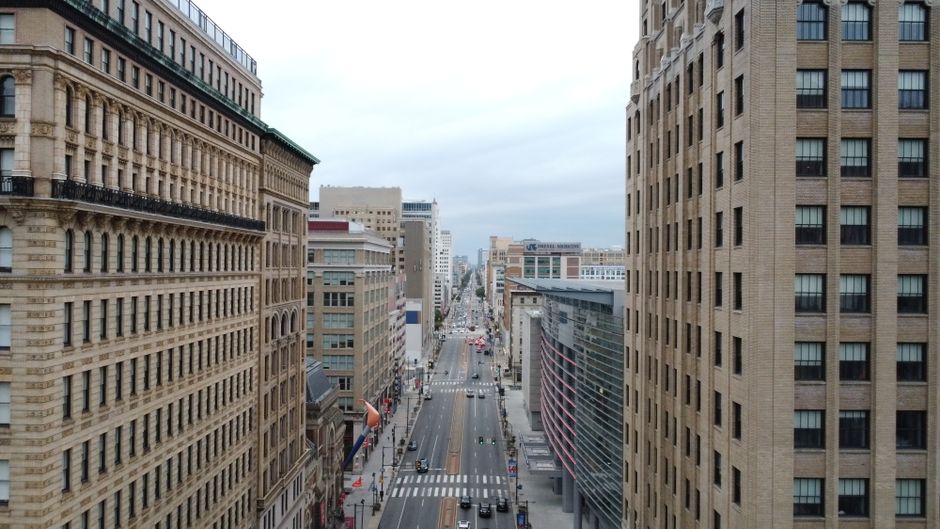
If you're staying downtown or in Center City (roughly between Broad Street to the west and the Delaware River to the east, from Arch Street north to City Hall area and beyond), you're in the safest, most well-lit, most-policed part of the city. This is where the tourists are, where the restaurants and bars cluster, and where foot traffic keeps things busy. I walked around here at 10 p.m. on a Wednesday with no drama — lots of people out, streetlights working, the occasional cop car. It's not a completely risk-free zone, but it's genuinely low-risk.
The caveat: like any downtown area, petty theft and phone snatching happen, especially if you're visibly distracted or carrying expensive gear loosely. Keep your phone secured, don't flash cash, and avoid walking alone down an empty side street at 2 a.m. — just use common sense that applies to Boston, Philly, or any city. Daytime here is essentially zero-stress. Early evening (until about 9 or 10 p.m.) is fine. Late night, stay on main drags where there are people and lights.
University City: Safe During Day, Uneven at Night
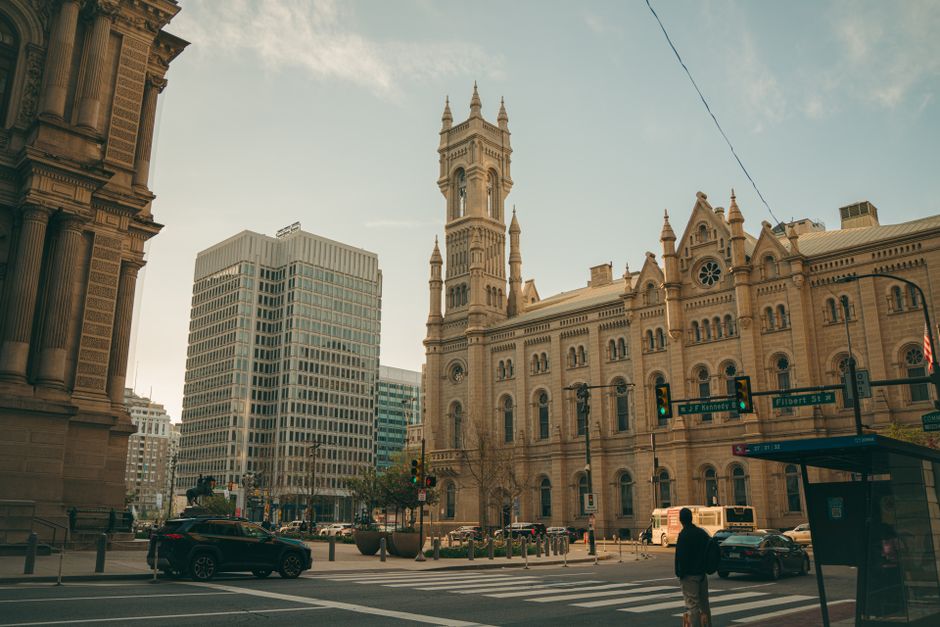
West Philadelphia around the University of Pennsylvania and Drexel is a mixed bag. During the day, especially during the academic year, it's basically a college campus with normal college-town vibes — lots of students, coffee shops, used bookstores, pizza places. It feels safe because it is safe in daylight hours, and there's significant police presence because two major universities are invested in their surrounding neighborhoods.
After dark, though, you want to be more deliberate. Solo walking at midnight on a random residential side street isn't a great idea. Stick to main roads like Walnut or Chestnut, use transit, or take a car service. The neighborhoods immediately around campus have been redeveloped and improved substantially over the past decade, and students live there, but Philly's uneven neighborhood-to-neighborhood nature means a safe block can adjoin a less-safe one. Ask locals or hotel staff which specific routes they use at night — they know the real map.
Northern Liberties and Fishtown: Revitalized and Busy, But Know Your Block
These neighborhoods have undergone genuine renaissance in the past 15 years. Northern Liberties especially has become a destination — galleries, bars, restaurants, young professionals, weekend crowds. Fishtown (east of Northern Liberties, near the Delaware) is similar. During the day and early evening, both feel vibrant and safe, with people on the streets and businesses open.
Again, the qualifier: they're not uniformly perfect, and they're still Philadelphia. Two blocks of hip bars and new condos can exist near residential blocks with higher property crime or street-level activity that makes you uncomfortable. The revitalization is real, but it's patchy. If you're going to a specific bar or restaurant in these neighborhoods, get a clear sense of the exact location and how you'll get there and back. Don't wander into unfamiliar side streets late at night. During daytime and early evening, you're fine.
West Philadelphia and Southwest: Higher Rates of Street Crime — Exercise More Caution
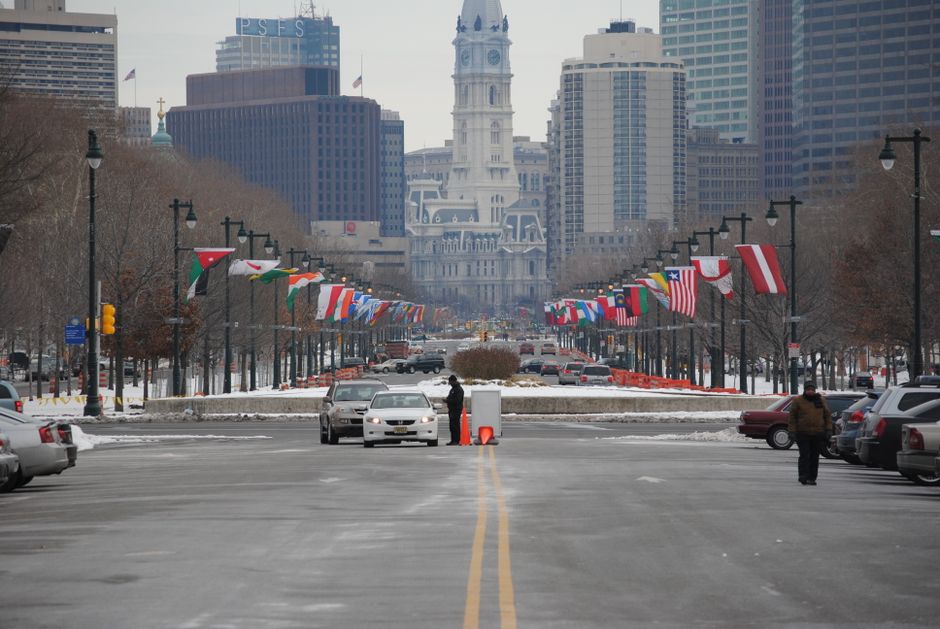
West Philadelphia and parts of Southwest have higher rates of property crime and street-level activity according to both Philadelphia Police Department data and consistent local accounts. This isn't hearsay — these neighborhoods show up in crime statistics and in every conversation I had with longtime residents. That doesn't mean everyone living there is unsafe or that you'll definitely have a problem, but it does mean you should be more careful.
If you're visiting a friend in West Philly, go during the day or early evening, and use transit or a car service rather than walking around unfamiliar blocks after dark. Some specific corridors are fine, but unless you know exactly where you're going, it's not worth the risk. Neighborhoods like Kensington, Frankford, and parts of Northeast Philadelphia have similar reputations and similar statistics. Most people living in Philadelphia don't go to these areas regularly unless they have a specific reason — family, work, an event — and neither should most visitors.
Transportation: SEPTA, Rideshare, and Walking Smart
SEPTA (Southeastern Pennsylvania Transportation Authority) runs the transit system, and here's the real situation: it's generally safe in daylight and early evening, especially on main lines. The Market-Frankford Line (the elevated train running east-west) is well-used and reasonably busy. The Broad Street Line (running north-south) is similar. During rush hour and daytime, these feel like normal transit. Late night, fewer people means more exposure, so if you're out late, rideshare or a cab is the move.
Buses are the same way — daytime is fine, late night is when you want to think twice. Stay aware of your surroundings, don't flash valuables, and if something feels off, it probably is. The practical rule: if it's dark and you're alone, pay the $10 to $15 for an Uber or Lyft instead of waiting for a late-night bus or taking an empty train car. Walking is wonderful in Philly — the street grid is logical, neighborhoods are close together — but do it during daylight or early evening, and on streets with foot traffic and lighting. Don't try to cut through empty residential blocks at midnight.

Practical Precautions: The Things That Actually Matter
After two weeks here, the actual precautions that made a difference were simple. Keep your phone secure and your attention up, especially at transit stops and crowded areas. Don't leave bags unattended. If you're out late, have a plan to get back to where you're staying — don't assume you'll wing it on foot. Ask hotel staff, bartenders, or locals which routes they'd use at night. This sounds obvious, but it matters more in Philly than in, say, Minneapolis.
Be aware of time of day. The difference between 7 p.m. and 11 p.m. is real — more crime happens after dark, as it does in most cities. Rush hour is safe. Midday is safe. Early evening is safe. Late night is when precautions start mattering. And be aware of neighborhood. If someone tells you an area isn't great, believe them — locals know. Philadelphia is a real city with real urban patterns, not a theme park. That's also what makes it interesting and worth visiting. Just move through it with your eyes open.
The Bottom Line: Philly Is Fine If You're Sensible
Philadelphia gets a reputation that's both deserved and overstated. Yes, certain neighborhoods have real crime issues. Yes, you should be more careful after dark than at noon. But millions of people live here and navigate this city every single day, and most visitors have zero problems. The violent crime rate has come down significantly in recent years, and most visitors are never even close to encountering it.
Stick to downtown, Center City, University City, Northern Liberties, and Fishtown during the day and early evening — you're fine. Be more deliberate about late night, especially if you're alone. Avoid neighborhoods that locals tell you to avoid, and don't wander around unfamiliar blocks after dark. Use the transit system and rideshare intelligently. Do that, and you'll have a great time in a genuinely interesting, walkable, food-obsessed city with real history and character. Just use the same street smarts you'd use in Boston or DC. Philly deserves better than its reputation, but it doesn't deserve to be treated like it's riskless. It's a city. Act like it.
Frequently Asked Questions
Is downtown Philadelphia safe at night?
Downtown and Center City are generally safe at night, especially until 10 or 11 p.m., because of foot traffic, lighting, and police presence. Late night (after midnight), stick to main streets and consider rideshare instead of walking alone. Petty theft like phone snatching does happen, so keep valuables secure and stay aware of your surroundings.
Which Philadelphia neighborhoods should I avoid?
West Philadelphia, Southwest Philadelphia, Kensington, and parts of Northeast Philadelphia have higher crime rates and are best avoided after dark, especially if you don't have a specific reason to be there. Most visitors don't need to go to these areas. During daytime with a specific destination, you may be fine, but late-night exploration is not recommended.
Is SEPTA safe to use in Philadelphia?
SEPTA transit is safe during the day and early evening, especially on main lines like the Market-Frankford and Broad Street lines during rush hour and busy times. Late at night, fewer passengers mean more exposure; rideshare is a better option for getting around after 11 p.m. Stay aware of your surroundings and keep valuables secured.
What time should I avoid being out alone in Philadelphia?
Daytime and early evening (until about 9 or 10 p.m.) are generally safe for solo walking in well-traveled neighborhoods like downtown and Center City. After 10 or 11 p.m., especially in less-busy areas or unfamiliar blocks, it's smarter to use rideshare or a cab rather than walking alone, regardless of neighborhood.



