
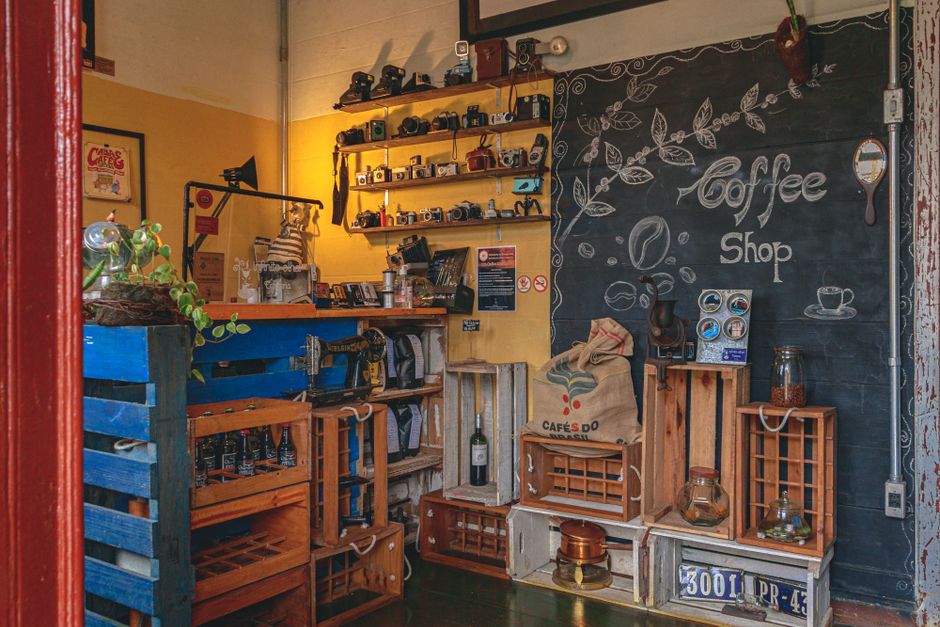
I rolled into Portland on a Tuesday with my laptop half-charged and no real plan except to find somewhere that wouldn't kick me out after an hour. What I've learned from working in cafes across a dozen cities is simple: the ones that actually work for remote stuff are rare. They need decent chairs, outlets that aren't behind a locked bathroom door, and baristas who don't treat you like you're occupying rent-free real estate. Portland's coffee scene is famous enough that I expected either tourist traps or places too cool to care about anyone trying to get something done. Instead, I found a mix—some spots are obviously built for this, others just happen to work well because the neighborhood around them doesn't run on hype alone.
Coava Coffee: Southeast Industrial and Serious
Coava sits in an old warehouse district near the Hawthorne Bridge, and it's immediately clear this place takes both coffee and working space seriously. The roastery runs the whole operation, so you're getting fresh stuff pulled straight from the source. The interior is all concrete, exposed brick, and communal wood tables—no cutesy decor meant to Instagram well, just functional and quiet. A regular workday morning won't have you fighting for seats, and the afternoon crowd is usually people like me, not a scene.
The espresso drinks are textbook good; they're not trying to reinvent the wheel. What makes people stay for four hours is the actual setup: plenty of outlets scattered around, strong wifi, and a baseline expectation that customers might be here for a while. The neighborhood is industrial enough that you won't feel like you're in the way of the cool crowd. Pastries come from local bakeries and rotate, but they're consistently solid. If you're someone who actually needs to work rather than perform working, this is the type of place that makes sense.
Namu Shoyu: Northeast for Long Sessions
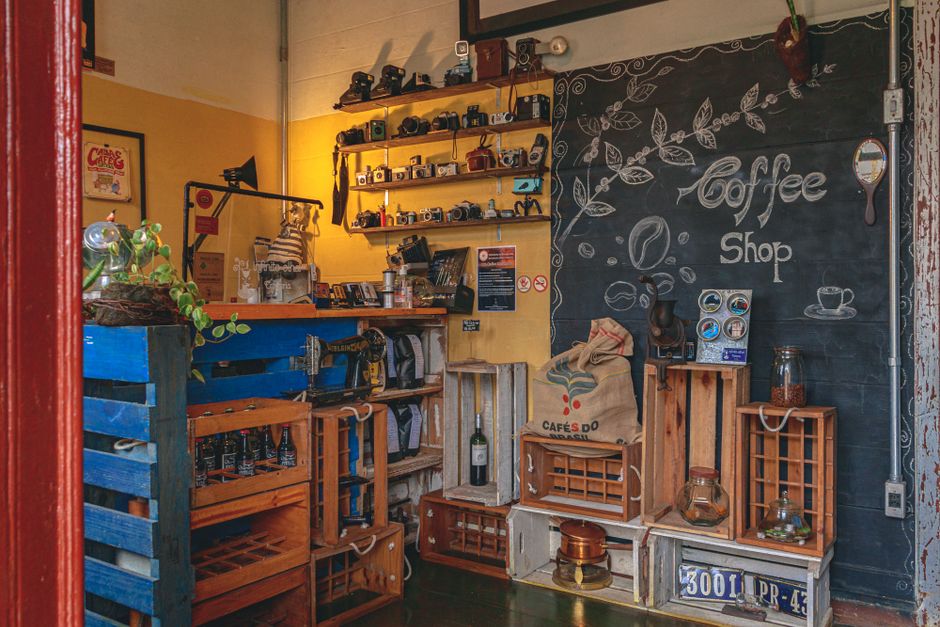
Namu Shoyu sits on Northeast Alberta, a strip that's been through enough changes that it's now just authentically weird in the way Portland used to be before it got self-aware about being weird. The cafe is small, Japanese-influenced, and the owner treats it less like a coffee shop and more like a living room that happens to sell coffee. The seating is tight but intentional—a few tables, a couple counter spots—and everyone in there seems to have made peace with the fact that you're close to strangers.
The drinks lean toward matcha lattes and house-made syrups alongside solid espresso. Their pastries are genuinely good, not just decent, partly because they're particular about who they buy from. The wifi works, you won't be rushed, and the place has enough regulars that it doesn't feel like a coffee shop so much as a neighborhood fixture. It's not trying to be Instagram-friendly or trendy. That makes it exactly the kind of spot where you can actually focus. The neighborhood—Alberta between 12th and 16th—has record stores, vintage shops, and restaurants that feel like they've been there long enough to stop caring what the internet thinks.
Beacon Hill Cooperative: Southeast Quiet
You'll miss Beacon Hill Cooperative if you're just scanning the major strips. It's south of Belmont on a residential block, which is the whole point. This is a worker-friendly cooperative roastery that doesn't get the traffic of the Instagram-famous spots because it requires you to actually know where it is.
The space is genuinely quiet. Natural light from large windows, wooden tables, sparse decorations. The wifi is solid. Outlets are available. The coffee is as good as anywhere else in the city, and because it's not packed, you can actually hear yourself think. The vibe attracts people who are actually trying to do something—writers, remote workers, people doing spreadsheets—not people posing with coffee cups. If you're someone who needs to concentrate and can't handle the ambient chatter of a busy cafe, this one cuts through the noise. The neighborhood around it is just Portland residential: older houses, quiet streets, a few local spots mixed in but not a destination unto itself. That's the appeal.
Courier Coffee Roasters: Downtown Reliable
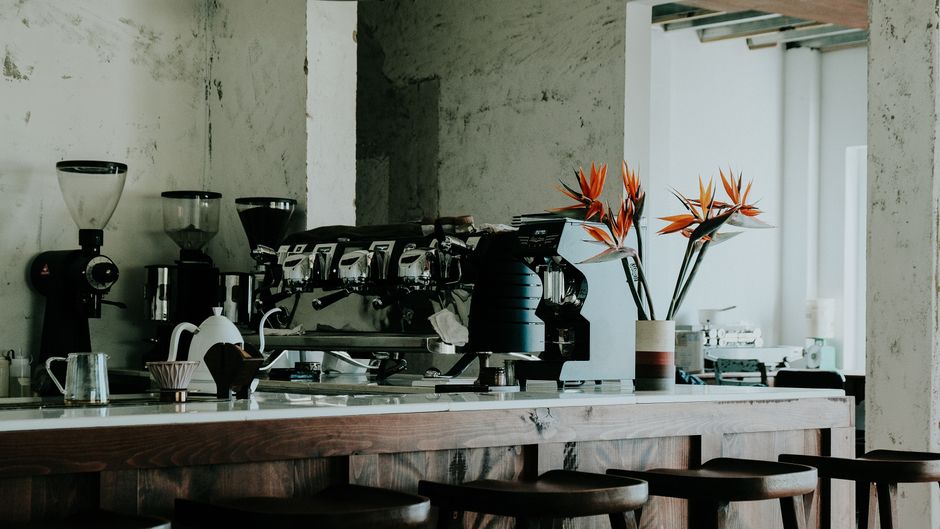
Courier occupies a downtown corner that gets real foot traffic but handles it without the stress of a tourist trap. The space is bigger than it looks from the street, and they've clearly thought about the layout for people who need to camp out. Multiple tables of varying sizes, counter seating along the windows, good natural light, and outlets that don't require you to ask permission.
The coffee is straightforward and well-executed. Nothing experimental, nothing trying to prove a point—just good espresso, good milk drinks, and a sense that the staff knows what they're doing. It's the kind of place that doesn't feel like a destination but works anyway. Pastries rotate from local bakers. The downtown location means you'll see everything from business people on laptops to students to people just needing a warm place to sit. It's neutral ground, and that's useful sometimes. Wifi is reliable, and the background noise level is manageable without being silent. If you want to work downtown without feeling like you're in a sterile corporate cafe or a museum piece, this is the answer.
Case Study Coffee: Northeast Neighborhood Anchor
Case Study is on Northeast 28th, a few blocks from the Lloyd Center, in a neighborhood that isn't trendy but is genuinely livable. The cafe has the bones of a real neighborhood coffee shop—it's been there long enough that locals have actual opinions about it, which is different from places built to be Instagram-famous from day one.
The setup is thoughtful: real tables, decent seating, wifi that holds up, and a layout that doesn't feel cramped. The espresso is solid. They make their own pastries in-house, which means there's actual consistency and care involved. The crowd is a mix of neighborhood people and folks who've learned about the place through word-of-mouth rather than social media. You'll see older regulars, students, remote workers—the kind of demographic spread that happens when a place isn't performing its identity. The neighborhood itself is quiet enough that you can focus but active enough that walking around it afterward won't feel like a ghost town. It's the kind of spot that makes you feel like you've found something real rather than something designed to look real.

Stumptown Coffee Roasters: The Known Quantity
Stumptown has multiple locations around Portland, and the company built its reputation on actually good coffee in an era when that still meant something. The original location on Southeast Alder is the biggest and most visible, and it functions like a well-organized coffee destination rather than a hidden spot. That's not a knock—it just is what it is.
Multiple locations means you can work from whichever one fits your day. The space is engineered for customers to stay: ample seating, reliable outlets, solid wifi, and a baseline assumption that working customers are part of the model. The coffee is consistent across locations because they roast their own and take the sourcing seriously. You'll get real pastries from various local bakeries. The downtown location gets busier than the northeast spots, but all of them maintain enough turnover that you won't feel judged for camping out with a laptop. If you're new to Portland or working across multiple neighborhoods, Stumptown's recognizability is actually a feature rather than something to hold against it. You know what you're getting, and what you're getting works.
What Separates a Workspace from a Coffee Shop
After working in most of these places, I realized the difference between a cafe that tolerates laptop work and one that's actually built for it usually comes down to small choices. Coava and Beacon Hill were intentional about power outlet placement. Namu Shoyu and Case Study don't have a time limit hanging over your head because that's just not the culture. Courier and Stumptown have the space logistics figured out—they know how to fit enough tables without making it feel like a crowded event.
The neighborhood matters too, but not in the way you'd think. It's not about how trendy or beautiful it is. It's about whether the area supports people actually living and working there rather than performing a lifestyle. That's why something on a quiet residential block or a warehouse district works better than a spot in the middle of a Instagram-optimized strip. The best cafes for work aren't the ones trying hardest to be cool. They're the ones that just do the basics right and then step back.
Frequently Asked Questions
which coffee shops in Portland have good wifi and outlets for working
Coava, Courier Coffee Roasters, Stumptown Coffee, and Beacon Hill Cooperative all have reliable wifi and multiple outlets scattered throughout the space. Coava and Beacon Hill are quieter, while Courier and Stumptown are larger with more seating options. All four are specifically set up with laptop workers in mind.
can you work all day at Portland coffee shops
Yes, but it depends on the cafe. Coava, Beacon Hill Cooperative, Namu Shoyu, and Case Study Coffee don't have time limits and don't make you feel rushed even after hours of sitting there. Stumptown and Courier Coffee are also fine for long sessions. The key is ordering drinks regularly and not treating the space like it's your own office.
what's the quietest coffee shop in Portland for studying
Beacon Hill Cooperative is the quietest—it's south of Belmont on a residential block and attracts people actually focused on work rather than socializing. Coava in the industrial southeast is also notably quiet during most weekdays. Both have strong wifi and aren't crowded.
Which café would you pick?



