TL;DR: Bend, Oregon offers one of America’s best active-retirement settings: Deschutes River trails, Mt. Bachelor skiing, a walkable downtown, and no state sales tax. The trade-offs are real too: high home prices, winter driving, and wildfire smoke in some summers.
Bend sits on the Deschutes River east of the Cascade Mountains, where high desert meets pine forest, and it has grown from a logging town into Central Oregon’s cultural and outdoor hub. Retirees are drawn by the same things that draw everyone else: skiing at Mt. Bachelor, hundreds of miles of trails, a river running through downtown, and a brewery and restaurant scene that punches above the city’s size. But Bend is also expensive, remote, and smoky in bad fire seasons. This guide lays out both sides honestly, so you can decide whether it fits your retirement.
1. The Outdoor Life, Every Day
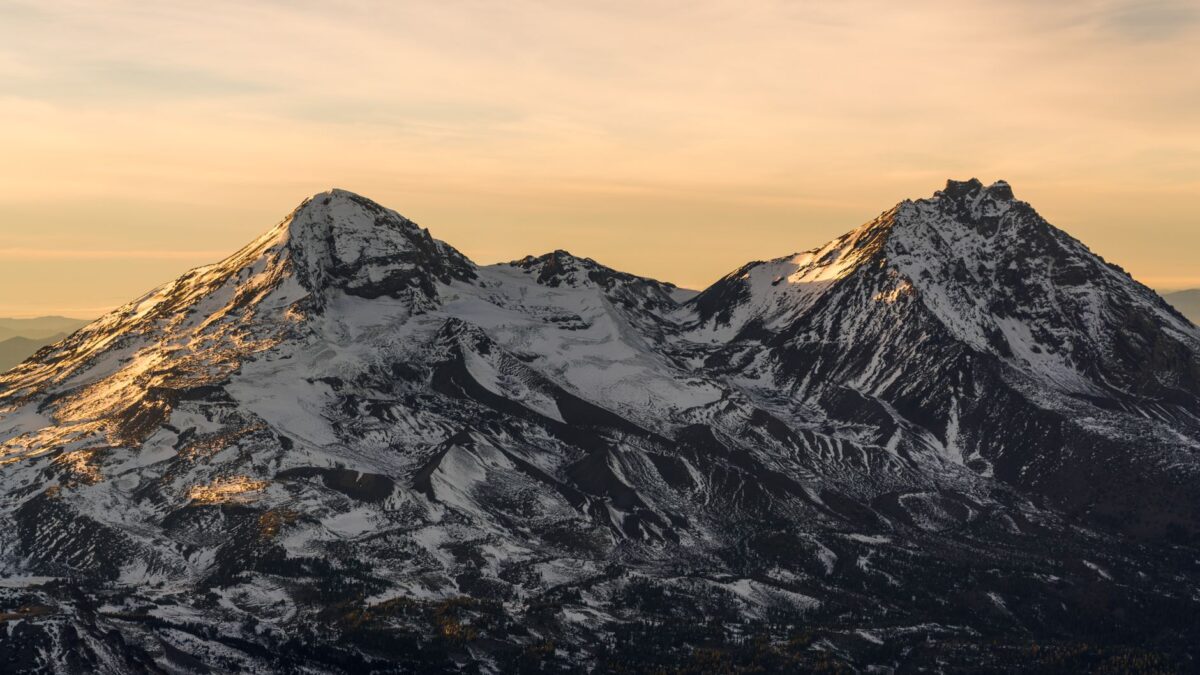
Bend’s defining advantage is outdoor access: the Deschutes River Trail runs through town, Mt. Bachelor offers downhill skiing about 20 miles away, and the Deschutes National Forest surrounds the city with hiking, biking, kayaking, and cross-country skiing. Retirees who stay active will find a community of like-minded people on the trails year-round.
2. Downtown and the Old Mill District
Downtown Bend, with its historic storefronts, and the Old Mill District, a redeveloped mill site on the river with shops, restaurants, and a theater, give the city a walkable heart. Farmers markets, festivals, and a lively food scene make it easy to build a social life without leaving town.
3. Taxes: The Oregon Picture
Oregon has no sales tax, which helps everyday spending, and the state does not tax Social Security benefits. Property taxes in Bend run above the national average, and Oregon does tax other retirement income, so talk to a financial advisor familiar with Oregon law before moving.
4. Health Care
Bend is served by St. Charles Bend, the region’s largest hospital, with a full range of services for a city its size. For highly specialized care, some retirees travel to Portland, about three hours away, or to Redmond’s smaller hospital nearby, so check that your specialists are available locally.
5. Where Retirees Live
Retirees cluster in walkable downtown and Old Mill condos, in Northwest Crossing’s new-urbanist neighborhood, and in resort communities like Sunriver, south of town, with golf, pools, and trails. Redmond, about 15 miles north, offers lower prices and its own hospital, while Sisters, to the northwest, offers a small mountain-town alternative.
6. The Honest Downsides
Bend’s downsides are well known: home prices are high for Oregon, winter brings snow and icy roads, and wildfire smoke can fill the air in August and September. Growth has added traffic, especially in summer, and the nearest major airport connections run through Redmond Municipal Airport, with fewer direct flights than Portland offers.
7. Seasons and Climate
Bend’s high-desert climate brings about 160 days of sunshine a year, warm summers in the 80s, and cold winters with snow. The dry air and four distinct seasons suit many retirees, but winter driving and summer smoke are part of the package.
8. Community and Social Life
Bend’s retiree community is active and outdoors-oriented, with clubs, volunteer groups, and classes through the community college and parks district. Newcomers sometimes find it takes time to break into established circles, so joining a trail group, golf club, or volunteer organization early helps.
What to Know Before You Choose
Rent for a season before buying, ideally through a winter, to test snow driving, smoke tolerance, and daily routines. Compare Bend with Redmond and Sunriver on price and services, and confirm that your health insurance and specialists work at St. Charles Bend. If you need frequent major-airport access, factor in the drive to Portland or limited Redmond flights.
Related reading on WagsWoofs: Retiring in Portland, OR: Worth It in 2026?
Sources: Why Bend, Oregon is a great place to retire Retiring in Bend, Oregon
Frequently Asked Questions
Is Bend, Oregon a good place to retire?
Bend is a strong choice for active retirees who love the outdoors, with trails, skiing, and a walkable downtown. It is less suited to retirees who need low housing costs or frequent big-city services.
Does Oregon tax Social Security?
No, Oregon does not tax Social Security benefits, and the state has no sales tax. Other retirement income may be taxed, so check with a financial advisor.
How expensive is Bend?
Bend’s cost of living runs above the national average, driven by housing demand. Renting first and comparing Redmond and Sunriver can help manage costs.
What is the weather like in Bend?
Bend has a high-desert climate with warm summers, cold snowy winters, and about 160 days of sunshine a year. Wildfire smoke can affect air quality in some summers.
How far is Bend from Portland?
Bend is about three hours southeast of Portland by road, which matters for specialist medical care and major-airport flights.
Where is the nearest airport to Bend?
Redmond Municipal Airport, about 15 miles north, serves the region with connections to major hubs, though direct options are fewer than in Portland.
Is Bend good for skiing retirees?
Yes, Mt. Bachelor, about 20 miles from Bend, is one of the West Coast’s largest ski areas, with downhill and cross-country options.
Should I rent before retiring in Bend?
Yes, renting for a season, ideally through winter, is widely recommended to test snow driving, smoke, and daily life before buying.