TL;DR: Prescott, Arizona offers a four-season climate at about 5,400 feet, a historic downtown around Courthouse Plaza, and good hospitals for a city its size. Housing costs run high for Arizona, so it works best for retirees with pensions or savings beyond Social Security alone.
Prescott, in central Arizona’s pine country, has been a retirement destination for decades, and for good reason: it is not the desert most people picture when they hear Arizona. At roughly 5,400 feet elevation, it gets four seasons, summer highs in the high 80s rather than Phoenix’s triple digits, and occasional winter snow. Its downtown, built around Courthouse Plaza, is one of the state’s most charming, and its lakes, trails, and national forest give retirees plenty to do. But housing costs have risen sharply, and the honest answer to whether it works depends on your budget.
1. The Four-Season Climate
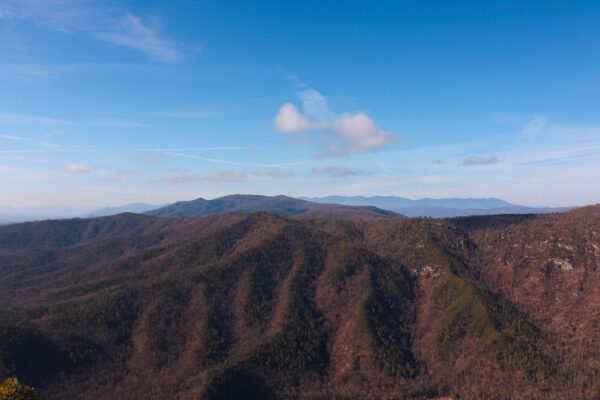
Prescott’s elevation gives it a climate unlike the rest of Arizona: mild summers, crisp falls, cold winters with some snow, and springs full of wildflowers. July highs average near 88 degrees, a major contrast to Phoenix, and the pine forests and granite dells make it feel more like the mountains than the desert.
2. Downtown and Courthouse Plaza
Downtown Prescott centers on Courthouse Plaza, with historic buildings, the Palace Saloon from the city’s Old West days, galleries, restaurants, and festivals throughout the year. It is a genuinely walkable downtown, and many retirees build their social lives around its events and farmers market.
3. Outdoor Life: Lakes and Trails
Prescott is surrounded by the Prescott National Forest, with Watson Lake’s granite boulders, Lynx Lake, and Thumb Butte’s hiking trail all close to town. Golf courses, including active adult communities like Prescott Lakes, add to the outdoor options.
4. Health Care
Prescott is served by Yavapai Regional Medical Center, now part of Dignity Health, with comprehensive care for a city its size. For highly specialized treatment, Phoenix’s major hospital systems are about two hours away, a drive retirees should factor into long-term planning.
5. Housing Costs: The Honest Picture
Housing is Prescott’s biggest trade-off. Recent reporting puts the median home value roughly in the $400,000s to around $600,000 depending on the source and property type, well above many smaller Arizona towns. That makes Prescott a lifestyle choice rather than a budget choice, and couples relying on Social Security alone will find it difficult without additional income or savings.
6. Where Retirees Live
Retirees live across Prescott proper, in active adult communities like Prescott Lakes, and in nearby Prescott Valley, which offers newer housing and commercial growth, and Chino Valley, which offers more space and lower prices. Each has a different feel, from historic downtown to new suburb to rural edge.
7. Taxes and Everyday Costs
Arizona taxes Social Security benefits only partially and offers a relatively retiree-friendly tax picture compared with many states, though housing and health care costs matter more than tax rates for most budgets. Everyday shopping is well covered, with national retailers including Trader Joe’s and Costco in the area.
8. Community and Culture
Prescott’s retiree community is large, friendly, and active, with clubs, arts organizations, the Prescott Film Festival, and volunteer opportunities. Its Old West history, from Whiskey Row to the World’s Oldest Rodeo, gives it a distinctive identity that many retirees enjoy.
What to Know Before You Choose
Visit in both summer and winter before deciding: summer shows the heat and monsoon storms, winter shows snow and quiet streets. Compare Prescott with Prescott Valley and Chino Valley on price, and get a realistic housing budget from a local agent rather than national averages, which vary widely. If you need frequent specialist care, confirm availability locally and factor in the two-hour drive to Phoenix.
Related reading on WagsWoofs: Arizona’s 10 safest cities in 2026, backed by FBI data
Sources: Retire in Prescott, Arizona Arizona cities where retirees can no longer afford to live
Frequently Asked Questions
Is Prescott, AZ a good place to retire?
Prescott is a strong retirement choice for its climate, downtown, and health care, but housing costs are high, so it works best for retirees with income beyond Social Security alone.
What is the weather like in Prescott?
Prescott has a four-season climate at about 5,400 feet, with July highs near 88 degrees, mild springs and falls, and occasional winter snow.
How expensive is Prescott?
Prescott’s cost of living runs above the national average, driven by housing demand from retirees and out-of-state buyers. Prices vary widely by neighborhood and property type.
Does Prescott get snow?
Yes, Prescott gets occasional winter snow at its elevation, though far less than mountain towns in northern Arizona.
What hospitals are in Prescott?
Yavapai Regional Medical Center, now part of Dignity Health, serves Prescott, with Phoenix’s major hospitals about two hours away for specialized care.
How far is Prescott from Phoenix?
Prescott is about two hours north of Phoenix by road, making the Valley’s airports and specialists accessible for occasional trips.
Is Prescott Valley the same as Prescott?
No, Prescott Valley is a separate, newer city adjacent to Prescott, with its own housing, shopping, and services.
What is there to do in Prescott?
Prescott offers Courthouse Plaza festivals, Watson Lake, Thumb Butte hiking, golf, arts events, and the World’s Oldest Rodeo.