TL;DR: Fargo, North Dakota offers retirees low costs, strong hospitals, no state tax on Social Security for many retirees, and a friendly, growing city. The honest catch is winter: long, cold, and dark, and it shapes daily life for months.
Fargo is North Dakota’s largest city, on the Red River across from Moorhead, Minnesota, with a revitalized downtown, a university, and a reputation for friendliness that the movie of the same name only partly captured. Retirees come for the low cost of living, the medical centers, and the small-city pace, and they stay for the community. But Fargo’s winters are not a footnote: they last for months, they are genuinely cold, and they should be the first thing any prospective retiree tests.
Downtown Fargo
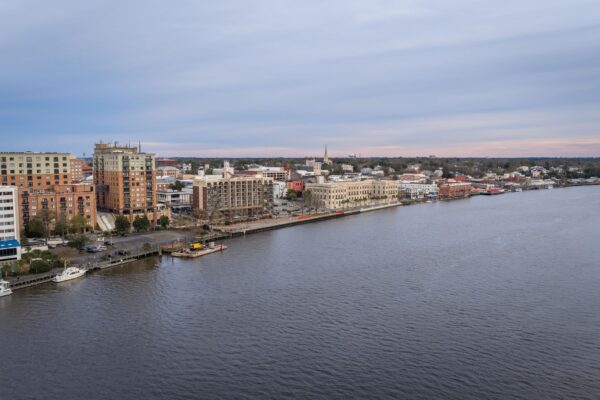
Downtown Fargo, centered on Broadway, has apartments and condos in historic buildings, a theater, restaurants, breweries, and a farmers market. It suits retirees who want to walk to dining and events and who do not mind winter parking and snow.
Roosevelt Neighborhood
Roosevelt, south of downtown, is an established neighborhood of older homes, tree-lined streets, and nearby schools and parks. It offers character and a central location, with a mix of single-family homes and rentals.
South Fargo
South Fargo, the city’s fastest-growing area, offers newer subdivisions, townhomes, and 55-plus communities, with shopping along 52nd Avenue and Interstate 94. It suits retirees who want a new, low-maintenance home and easy highway access.
North Fargo and the NDSU Area
North Fargo, around North Dakota State University, mixes student rentals with quiet residential streets, parks, and the Red River trails. It is affordable and central, though some blocks are student-heavy.
West Fargo, Just Next Door
West Fargo, a separate city immediately west of Fargo, has grown fast with new subdivisions, schools, and shopping of its own. Many Fargo workers and retirees live here for newer homes and a suburban feel, while still using Fargo’s hospitals and downtown.
Horace and the Southern Suburbs
Horace, a small city south of Fargo, offers newer homes on larger lots and a quieter, more rural feel, with a short drive to Fargo’s services. It suits retirees who want space and do not mind a longer drive in winter.
Cost of Living
Fargo’s cost of living is generally below the national average, with housing the biggest advantage. Heating costs, winter clothing, and snow removal are real budget items that newcomers from warmer states often underestimate.
Health Care
Fargo is a regional medical hub, with Sanford Medical Center and Essentia Health hospitals and a wide range of specialists. Retirees with complex needs benefit from having major hospitals in town, rather than hours away.
Taxes
North Dakota offers partial exemptions on Social Security income for many retirees, with the details depending on income, so check the current rules before moving. The state also has a relatively low income tax, and property taxes should be checked for specific neighborhoods.
Winter, Honestly
Fargo winters run from roughly November through March, with subfreezing temperatures, snow, wind, and short days. Retirees who thrive here embrace winter activities like cross-country skiing and ice fishing, use heated garages and remote car starters, and often travel south for part of the winter.
What to Know Before You Choose
Before retiring to Fargo, spend at least two weeks there in January or February, not just in summer, and drive in snow before committing. Get quotes for heating and snow removal, check whether a home has a heated garage and a main-floor bedroom, and confirm that your doctors and specialists practice at Sanford or Essentia. Many Fargo retirees split the year, spending winters elsewhere, and that is a legitimate plan.
Related reading on WagsWoofs: Cheapest US cities to rent
Frequently Asked Questions
Is Fargo a good place to retire?
Fargo is a good retirement choice for people who value low costs, strong hospitals, and a friendly community, and who can handle long, cold winters.
How cold does Fargo get in winter?
Winters are long and cold, with subfreezing temperatures common for months and wind chills well below zero on the coldest days. Summers are warm and pleasant.
Does North Dakota tax Social Security?
North Dakota offers partial Social Security exemptions for many retirees, depending on income. Check the current thresholds before moving, as rules change.
Is Fargo affordable?
Fargo is generally affordable, with housing costs below the national average. Heating and winter costs are the main expenses newcomers underestimate.
What hospitals are in Fargo?
Sanford Medical Center and Essentia Health are the main hospitals, making Fargo a regional medical hub for North Dakota and northwest Minnesota.
Where do retirees live in Fargo?
Popular choices include downtown condos, South Fargo’s newer subdivisions and 55-plus communities, and the neighboring city of West Fargo.
Is Fargo safe?
Fargo is generally considered a safe city, though crime varies by neighborhood. Check local data for specific areas before buying.
What do retirees do in Fargo in winter?
Retirees enjoy the downtown theater and restaurants, university events, cross-country skiing, ice fishing, and community centers, or travel south for part of the winter.