TL;DR: Hot Springs, Arkansas, pairs a national park with a small city, giving retirees thermal baths, three lakes, and a walkable downtown. Arkansas exempts Social Security from state tax, and housing remains more affordable than in many retirement hot spots.
Hot Springs is one of the few American cities where a national park and a downtown are stitched together so tightly that retirees move between the two without thinking. Bathhouse Row’s historic buildings line Central Avenue, the Ouachita Mountains rise behind the city, and Lake Hamilton, Lake Ouachita, and Lake Catherine are all close by. It is a spa town first and a retirement destination second, which is part of its charm.
The city of around 38,000 offers more amenities than its size suggests, including two hospitals and a lively arts and racing calendar. A guide to retiring in Arkansas names Hot Springs among the state’s top retirement destinations, citing its hot springs, historic bathhouses, and Lake Hamilton outdoor life.
1. Bathhouse Row and the national park
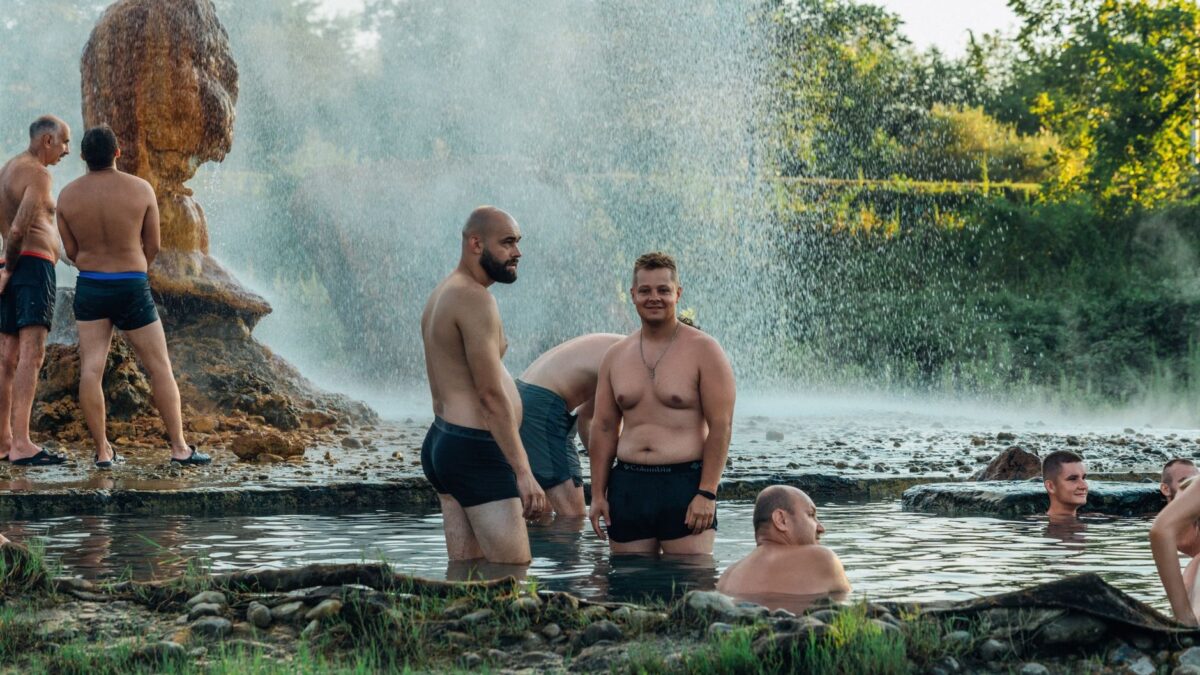
Hot Springs National Park protects the city’s 47 thermal springs, and Bathhouse Row is where that history lives: the Fordyce now serves as the park visitor center and museum, while Buckstaff and Quapaw still offer traditional baths. Soaking in thermal water is part of local routine here, not just a tourist activity. It is a genuinely unusual retirement perk.
2. Three lakes, three moods
Lake Hamilton is the busy, popular lake for boating and lakeside living, Lake Ouachita is the vast, island-dotted wilderness lake for fishing and quiet coves, and Lake Catherine is the smaller, laid-back option for a slower pace. Retirees who love the water can choose their lake the way other cities choose a neighborhood. Each has its own housing market and character.
3. Healthcare in town
Hot Springs has two full-service hospitals in town, CHI St. Vincent Hot Springs and National Park Medical Center, plus specialists and clinics along the corridors toward Lake Hamilton. That matters for retirees, since it means most care is local rather than a drive to Little Rock. Little Rock, under an hour away, covers anything more specialized.
4. Taxes that favor retirees
Arkansas fully exempts Social Security benefits from state income tax, and residents 59 and older can deduct up to $6,000 of qualifying pension or IRA income, or $12,000 for joint filers. The state’s top income tax rate is 3.9 percent, and its average effective property tax rate is just 0.56 percent, according to the Tax Foundation. The trade-off is a combined state and local sales tax averaging about 9.48 percent, among the highest in the country.
5. Housing: cottages to lakefront
Hot Springs housing runs from older cottages near the park to single-story homes in established neighborhoods and lake properties that attract both retirees and second-home owners. One 2026 guide puts many standard houses in the mid-$200,000s to mid-$300,000s, with waterfront homes higher. That range keeps Hot Springs competitive with other southern retirement towns.
6. Downtown and Central Avenue
Downtown Hot Springs centers on Central Avenue, with shops, restaurants, galleries, and the historic Arlington Hotel anchoring the Bathhouse Row end. The downtown is walkable in a way many small cities are not, and the arts scene includes galleries, a documentary film festival, and live music. It gives retirees a social center without needing a big city.
7. Outdoor life beyond the baths
Beyond the thermal water, the Ouachita Mountains offer hiking and mountain biking, the Ouachita National Forest covers huge areas nearby, and the city’s trails and parks suit daily walking. Hot Springs is also a gateway to the Ouachita Mountains’ scenic drives. If you like your retirement outdoors, the options here run deep.
8. Oaklawn and entertainment
Oaklawn Racing Casino Resort brings thoroughbred racing, a casino, and concerts to the city’s south side, and it is a major local employer and entertainment draw. Some retirees love the social scene and events, while others prefer the quieter north side and lake areas. Either way, it adds a liveliness that many towns this size lack.
9. The trade-offs: humidity and storms
Hot Springs summers are hot and humid, with the subtropical climate bringing heavy rainfall and the occasional severe storm. The city is not on the coast, but it still gets Gulf moisture and summer thunderstorms. Retirees who dislike humidity should visit in July or August before committing.
10. Who Hot Springs suits best
Hot Springs suits retirees who want nature, history, and a spa-town pace at a moderate price, and who are comfortable with a smaller city and a car. It suits lake lovers, hikers, and bathhouse regulars especially well. It is less suited to anyone who needs big-city transit, a major airport next door, or a dry climate.
Tips before you decide
Visit in both summer and winter before buying, since Hot Springs’ humid summers and mild winters feel very different.
For lake homes, check flood risk, dock rights, and water levels, since each of the three lakes has different rules and conditions.
If you plan to use the bathhouses regularly, compare Buckstaff and Quapaw pricing and schedules, since the traditional and modern experiences differ.
More from this series: Retiring in Prescott, Arizona Retiring in Bend, Oregon.
Frequently asked questions
Is Hot Springs, Arkansas a good place to retire?
Hot Springs is a strong choice for retirees who want a national park, three lakes, a walkable downtown, and tax-friendly retirement income at a moderate price. Humid summers and a smaller city are the main trade-offs.
Does Arkansas tax Social Security?
No. Arkansas fully exempts Social Security benefits from state income tax, and residents 59 and older can deduct up to $6,000 of qualifying pension or IRA income, or $12,000 for joint filers.
What is Bathhouse Row in Hot Springs?
Bathhouse Row is a row of historic bathhouses along Central Avenue in Hot Springs National Park, built in the 19th and 20th centuries. Fordyce is now a museum, while Buckstaff and Quapaw still offer baths.
Which lake is best near Hot Springs?
Lake Hamilton is best for busy boating and lakeside living, Lake Ouachita is best for quiet fishing and wilderness, and Lake Catherine is best for a laid-back, smaller-lake pace.
How expensive is housing in Hot Springs, Arkansas?
A 2026 guide puts many standard Hot Springs houses in the mid-$200,000s to mid-$300,000s, with waterfront homes higher. Prices vary by neighborhood and lake frontage.
What hospitals are in Hot Springs, Arkansas?
Hot Springs has CHI St. Vincent Hot Springs and National Park Medical Center, plus clinics and specialists in town. Little Rock, under an hour away, provides additional specialist care.
Is Hot Springs, Arkansas walkable?
Downtown Hot Springs along Central Avenue is walkable, with shops, restaurants, and Bathhouse Row close together. Lake areas and most residential neighborhoods need a car.
What is the weather like in Hot Springs, Arkansas?
Hot Springs has a subtropical climate with hot, humid summers and mild winters, and rainfall spread through the year. Summer thunderstorms are common, so retirees should experience a July or August visit first.