I rolled into Richmond on a Thursday afternoon, the way you do when you're chasing a story or just need a long weekend away from routine. The first thing that strikes you about this city is how genuinely friendly people are—locals actually make eye contact and offer directions without that weary look. But I also know that arriving in a city where you don't have friends or anchors means doing your homework on where to move with intention and where to relax.
Richmond's a real place with real neighborhoods, not a theme park. That means treating it like you'd treat any mid-sized American city: aware but not paranoid. I spent time talking to residents, checking in with people who work in tourism and hospitality, and looking at what the Richmond Police Department actually reports. The takeaway? Solo travel here is entirely doable. You just need to know the lay of the land.
The Downtown and Riverfront: Best During the Day and Evening Events
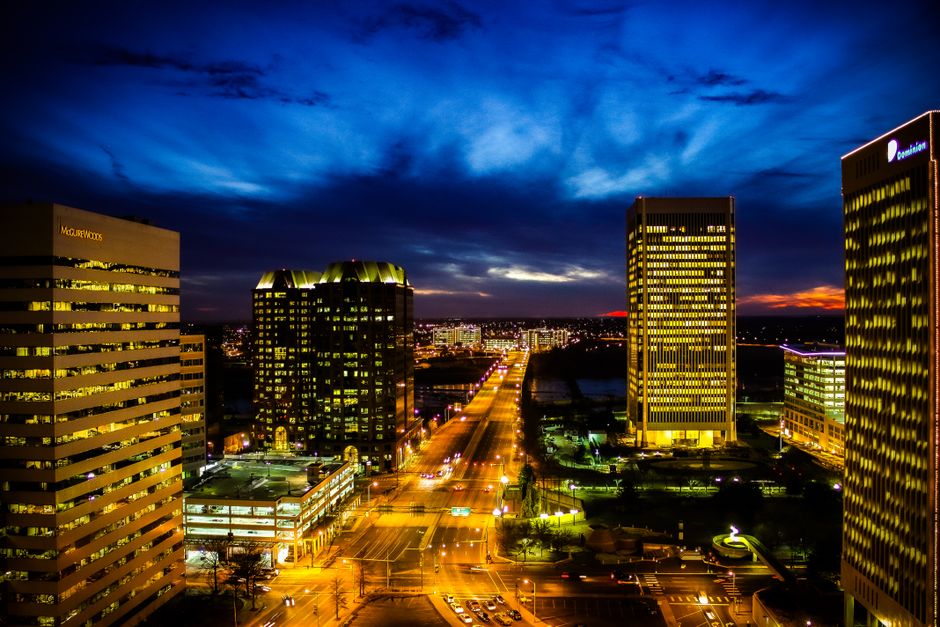
Downtown Richmond—Broad Street, Main Street, the financial district—is where most solo travelers spend time, and that's genuinely fine. Coffee shops, restaurants, galleries, and the performing arts venues are active and well-trafficked during business hours and evening events. I walked around in daylight without concern, and you'll see other tourists, office workers, and people out for a real reason.
The riverfront area, especially around the James River Park System and the Canal Walk, is pleasant during daylight and attracts joggers, families, and visitors. The lighting improves every year, and the area has genuine foot traffic.
Where you want to be deliberate: late night, especially after bars close around 2 a.m., foot traffic drops noticeably. If you're staying downtown or in the nearby neighborhoods and want to head out late, use rideshare or a taxi rather than walking solo. The distances are deceptive at night, and the city quiets down in ways that make isolation feel real. During normal evening hours—say, 6 to 11 p.m.—downtown is fine for solo travel.

Jackson Ward and Manchester: Real Neighborhoods, Not Tourist Zones
Jackson Ward is historically significant and increasingly vibrant—galleries, restaurants, and cultural institutions are genuinely worth your time. The neighborhood has real residents and real community presence. But it's not theme-parked for tourists, which means it's a neighborhood with the full range of urban life. During the day and early evening, it's pleasant enough. Stick to the main commercial corridors rather than wandering side streets at random, and trust the vibe you get from the street-level activity.
Manchester, across the river, has been repositioned as an arts and entertainment area. There are breweries, restaurants, and studios here, and yes, people actually go there intentionally. Same principle applies: solid during operating hours of the businesses you're visiting, less ideal for aimless late-night exploration. The area has improved steadily, but it's still evolving, and some blocks retain the industrial emptiness that can feel eerie after dark.
Areas to Avoid, or at Least Not Wander Into Casually
This is where I'm going to be direct without being alarmist. Richmond Police Department data consistently shows that certain neighborhoods—parts of the Near North side, sections of South Richmond, and pockets of the East End—experience higher rates of property crime and violent incidents. This isn't gossip or speculation; it's what the numbers show.
As a solo traveler, you have zero good reason to wander into these areas. They're residential, not tourism destinations. You won't accidentally end up there if you're staying downtown or in the popular neighborhoods. If you're using rideshare to get somewhere, fine—you're moving through. But don't go for a walk. This isn't me being prissy; this is basic urban logic. Some blocks in every American city aren't set up for strangers to explore on foot, and that's okay to acknowledge.
If you're here for work and staying somewhere that seems isolated or off the usual path, take rideshare to and from your activities. Same thing applies if you decide to venture into unfamiliar neighborhoods—ask your hotel staff or residents what they actually recommend walking to, and listen to the answer.

Practical Precautions That Aren't Rocket Science
Okay, here's the stuff that applies to solo travel in Richmond or anywhere else: don't carry your entire life's possessions in an obviously expensive bag. Lock your car. Don't walk around at 2 a.m. with headphones in, staring at your phone. Use well-lit routes, especially at night. Tell someone—your hotel staff, a friend back home, whoever—where you're headed if you're doing something outside your normal pattern.
Rideshare works here and generally works well. It's cheaper than a lot of cities and more convenient than trying to navigate solo late at night. During the day, the Fan district (near VCU), Monument Avenue, and the neighborhoods around Maymont Park are genuinely walkable and pleasant.
Public transit is limited compared to larger cities, but it exists. The GRTC bus system can get you around, though walking or rideshare is often more practical for visitors. Traffic on the highways around the city (I-95, I-64) is normal urban highway chaos; don't let that color your sense of the actual neighborhoods.
Solo Travel Strengths: Richmond's Actually Good for This
Here's the thing people don't always tell you: Richmond is legitimately good for solo travel. It's small enough that you can navigate it without feeling lost, large enough that nobody stares at the solo diner or solo museum-goer. Coffee shops are full of people working alone. Museums and galleries actively welcome individual visitors. The restaurant scene is built around the idea that people eat out.
Richmond also has a real cultural identity. The history—Civil War sites, American history museums, the Institute for Contemporary Art—gives you substance to engage with beyond just ambient tourism. That means your solo trip can feel like something, not just like you're going through motions in a place designed for groups.
The people I talked to—service industry workers, residents, other travelers—were consistently candid without being doom-and-gloom. The consensus seemed to be: stay smart, stick to the neighborhoods that make sense for visitors, and enjoy yourself. It's not a dangerous city if you treat it like a real place instead of a resort.
The Bottom Line
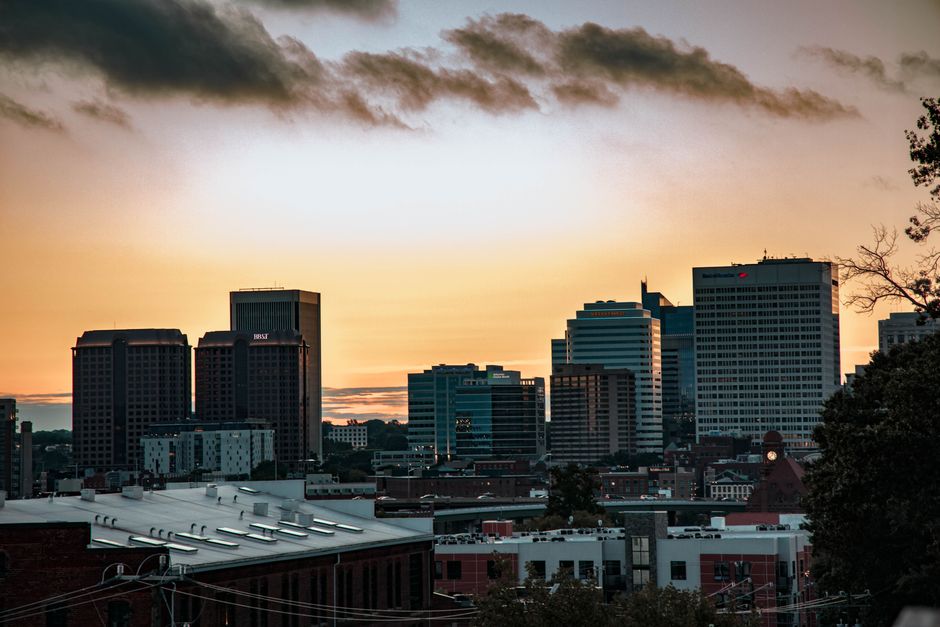
I left Richmond feeling like I'd actually been to Richmond, not to a carefully curated tourist version. That requires some awareness on the front end—knowing where the neighborhoods are, understanding which blocks are residential versus visitor-oriented, being practical about timing and transportation.
Is it perfect? No. Are there blocks you shouldn't walk around alone at night? Yes. But that's true of most cities, and it doesn't mean Richmond is off-limits for solo travelers. It means you're traveling like an actual person who pays attention, not like you're in a fully secured resort. That's how you get real trips and real experiences. Be aware, use common sense, and spend your time in the neighborhoods that make sense for what you're doing. The city will do the rest.