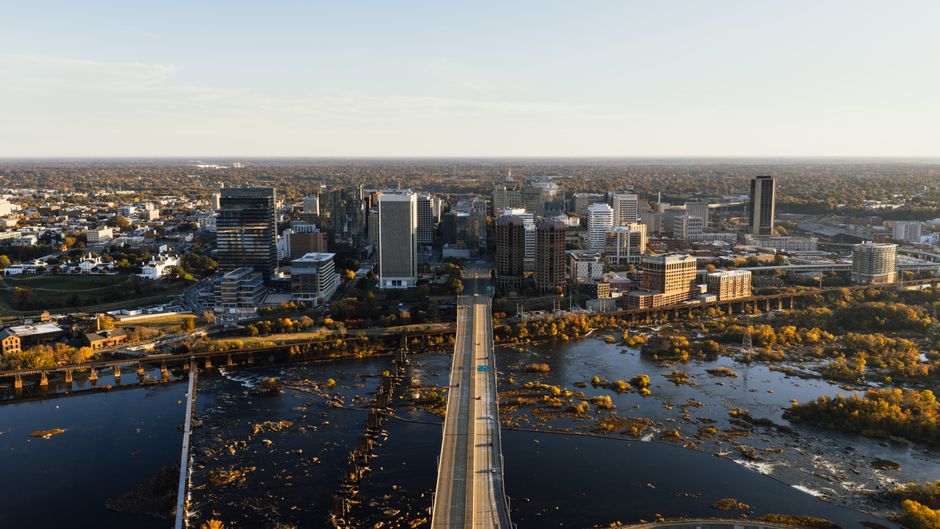
I rolled into Richmond on a humid Friday afternoon expecting the usual Civil War tourism carousel. Monument Avenue's looming statues, the slave trade exhibits, the riverfront restaurant shuffle. Fair enough—those things matter. But after spending five days threading through neighborhoods most guidebooks don't bother naming, I realized Richmond's real character lives elsewhere. The city has been quietly remaking itself for the past decade, and while everyone's still lined up at the same three or four marquee spots, some genuinely memorable places are operating at half capacity.
I'm not here to trash the established attractions. Some of them earned their reputation. What I want to do is level-set on what actually rewards your time, and more importantly, what you might skip without missing much. This is one traveler's take after talking to locals, eating at a lot of different spots, and getting briefly lost on purpose in a few neighborhoods worth the detour.
The Monument Avenue Treadmill vs. Artspace
Monument Avenue is unavoidable if you're visiting Richmond, and yes, it's historically significant. The scale is genuinely impressive, the surrounding architecture solid. But if you're expecting a transformative experience, you'll be disappointed. It's a long boulevard lined with memorials to Confederate generals. You walk it, you read the plaques, you think about the 2020 removals and political discourse, and then you move on. The foot traffic is heavy, and most of the actually good restaurants and shops are concentrated in the same touristy cluster.
Artspace, over in the Scott's Addition neighborhood, doesn't get a fraction of that foot traffic, and it should. This sprawling former industrial complex now houses working artist studios, galleries, and a rotating food vendor scene. You can actually walk in and talk to painters, sculptors, and ceramicists while they're working. No gatekeeping, no velvet rope. The vibe is unpretentious and genuinely creative in a way that feels earned rather than curated for visitors. If you time it for a First Friday evening, the whole neighborhood opens up. I spent three hours there and barely scratched the surface.
The Valentine & Tobacco Factory vs. Black History Museum & Cultural Center of Virginia
The Valentine is Richmond's de facto local history museum, and it does competent work. The building is attractive, the exhibits well-organized. But the museum suffers from a common affliction: it tries to cover everything and lands on nothing with real depth. You move through rooms about the city's founding, its role in tobacco, the Civil War, the Civil Rights era. Each section is adequate. None of it sticks with you.
The Black History Museum & Cultural Center, housed in a renovated Jackson Ward neighborhood mansion, operates at a different register entirely. Smaller, more focused, and run with genuine care for the material, it doesn't have the institutional smoothness of the Valentine. What it has instead is specificity and lived connection. The exhibitions dig into local figures and movements with the kind of detail that suggests someone actually cares about these stories rather than packaging them. The staff will talk to you in depth if you engage. It's the kind of place where you leave having learned something you couldn't have gotten from a Wikipedia scroll.
Carytown's Retail Theater vs. The Fan District on Foot
Carytown is Richmond's acknowledged shopping district. Tree-lined, vintage-forward, full of boutiques and coffee spots. It looks like someone's Pinterest board materialized into brick and mortar. The problem is it feels increasingly performed. You're not discovering anything there; you're consuming an aesthetic that's been carefully marketed to visiting types like you and me. The boutiques are pleasant. The ice cream is fine. But it's crowded, the parking situation is annoying, and you'll leave with the sense that you've been gently herded through a retail experience.
The Fan District—a neighborhood of Victorian townhouses just west of downtown—doesn't announce itself. There's no "Welcome to The Fan" sign. You're just walking through blocks of gorgeous 19th-century architecture, past front yards with actual residents, stumbling on small cafes and used bookstores that exist for locals, not for tourism revenue. The neighborhood has a museum (the White House of the Confederacy) and some historical markers, sure, but the real appeal is just walking. Grab a coffee from a neighborhood spot, get properly lost between Grove and Main, and watch how people actually live in a city they're not performing for.

Belmond Hotel at the Tobacco Factory vs. The Quirk Hotel
The big-name hotel moment in Richmond is the Belmond at the former Tobacco Factory on the James River. It's gorgeous, absolutely. Luxury finish, river views, restaurants, the works. If you've got the budget for high-end lodging, it's a solid choice. But it's also precisely what you'd expect a five-star hotel to be. Impeccable service, standardized luxury, a little bit removed from the actual texture of the city.
The Quirk, downtown, is smaller and weirder. Each room is designed by a local artist—actually designed, not just decorated. You're staying in what is functionally a piece of art. The hotel bar gets crowded with locals and visiting musicians, the vibe is younger and less buttoned-up, and you're sleeping somewhere that has a clear point of view rather than a corporate aesthetic. It's still nice, just not trying to be flawless. There's personality in the weird, and the Quirk has it in abundance.
River Walk Expectations vs. Dock Street and Manchester
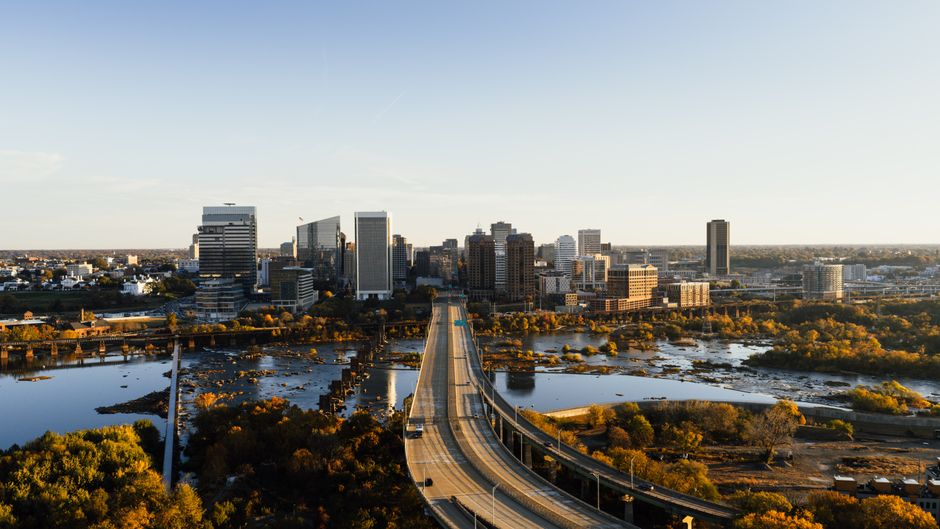
The James River Park System gets heavy promotion, and walking along the river is pleasant. Wide paths, good views, the feeling of being in an active city greenspace. But the tourist-focused portions of the walk can feel a bit sterile. Lots of people, clearly marked trails, everything managed within an inch of its life.
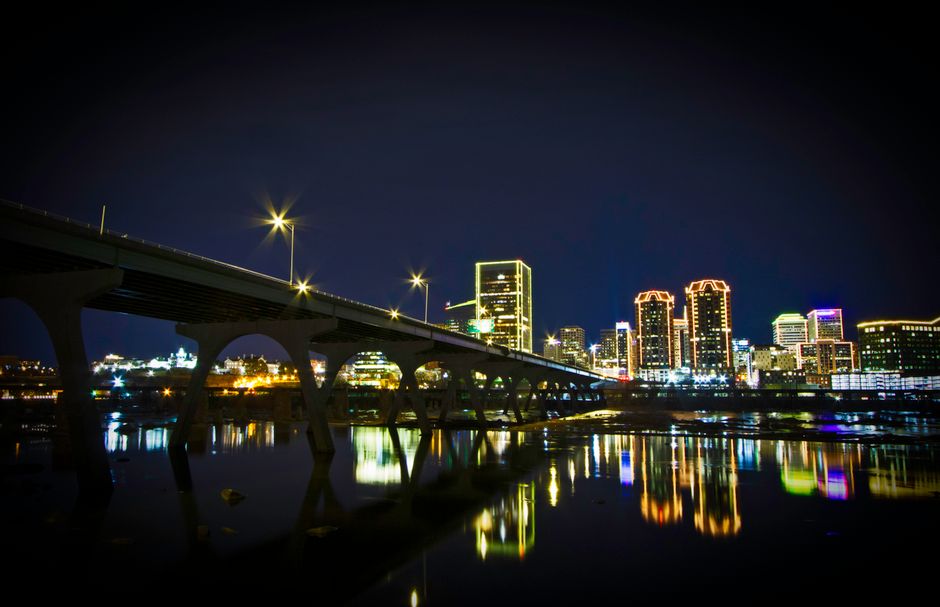
Manchester, the neighborhood directly across the river, is where the actual waterfront character lives. Dock Street and the surrounding blocks are littered with converted brick tobacco and flour warehouses turned into studios, restaurants, and bars. There's a rawer energy here—less cultivated, more genuinely bohemian. The murals aren't commissioned public art; they're artist statements. The restaurants aren't trying to be Instagram-friendly. It's a neighborhood that's still figuring out what it wants to be, and that's far more interesting than a landscaped park loop.
Capital Square Museums vs. The Reynolds Gallery
Richmond's museum cluster downtown includes big institutions with decent reputations. The Capitol itself, the various historical centers. They're educational, worth seeing if you're serious about understanding the city. But they're also obligatory in a way that can sap energy.
The Reynolds Gallery, a contemporary art space in a converted warehouse, shows Richmond's living artists alongside emerging national names. No gift shop hustle, no audio guides, no crowd management. You walk in, look at art made by people who are probably in the city right now, and have conversations with staff who can point you toward other artists' studios and openings happening next weekend. It's a reminder that a city isn't just history—it's people making things right now. If you're any kind of art-adjacent person, this gives you better access to how Richmond actually functions creatively than any museum's historical narrative will.
Dining: Chain Popularity vs. Neighborhood Spots
Richmond's dining scene has grown considerably, but the most visible restaurants are increasingly the names you might recognize from other cities. Solid restaurants, mostly, but you didn't come to Richmond to eat at a place you could visit in New York or Nashville. The real food culture here exists in less obvious spots. Mama Zu does Italian in a converted Church Hill brownstone with zero pretense and aggressive charm. Edo's Squid has been doing Japanese-Italian fusion since before that was a thing, and it's so good locals have been keeping it secret for years. Laura Lee's in Jackson Ward is a tasting menu restaurant run by a chef with a genuine vision, not a formula.
If you're seriously hungry and willing to poke around, ask whoever's making your coffee where they actually eat. You'll get better recommendations and probably discover something that doesn't have a strong online presence but has deep neighborhood loyalty. That's where the actual eating culture lives.
Making the Most of Richmond
Spend a day doing the obligatory stuff—walk Monument Avenue, visit a museum or two, get a sense of the official story the city tells about itself. But plan for the city to reveal itself in smaller moments. Neighborhood bars where nobody's performing for anyone. Street festivals that locals are actually attending. Used record stores run by people with actual taste. A walk through somewhere like Fan or Manchester without a guidebook, just curiosity.
Richmond's interesting precisely because it's not trying as hard as some cities. It hasn't fully leaned into its tourism potential, which means there's still space for actual discovery. The overrated stuff isn't bad—it just isn't where the city's real energy lives. And that's worth knowing before you plan your trip.