
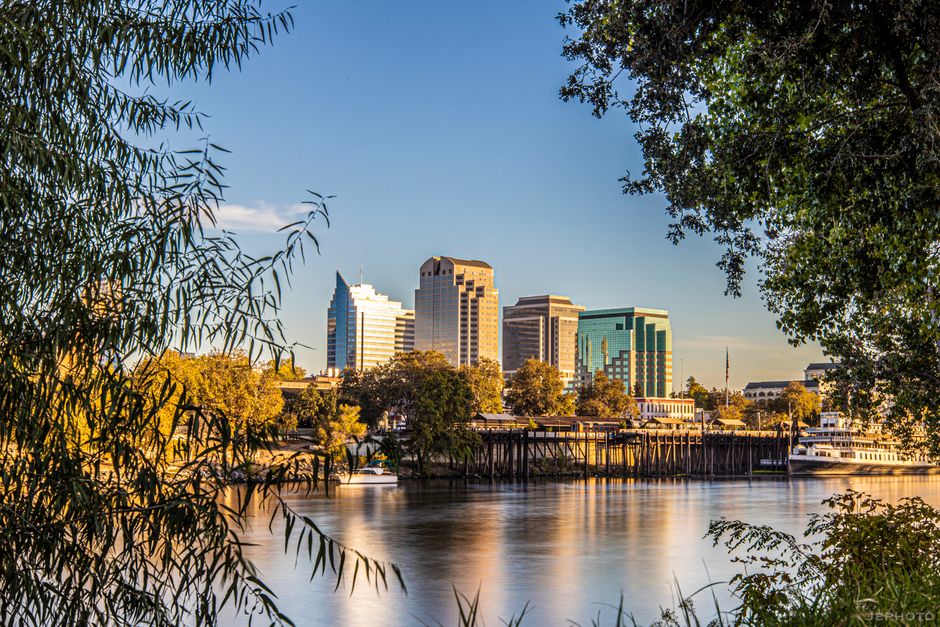
I showed up in Sacramento on a gray March morning expecting the usual state-capital vibe: legislative buildings, a gift shop, maybe lunch. What I found instead were six neighborhoods and green spaces that felt nothing like what the visitor guide promised. The thing about Sacramento is that it doesn't market itself well—which means if you're willing to walk three blocks off Capitol Mall, you'll have whole parks and cafes basically to yourself.
I spent a week here, mostly on foot and by bike, and kept landing in places that seemed built for locals only. The kind of spots where you find actual community instead of a curated experience. It's not flashy. But that's partly the point.
Folsom Powerhouse State Historic Park
Everyone who comes to Sacramento passes the old railroad yard and calls it a day. Folsom is only about 20 miles east, and most tourists either skip it or drive through without stopping. The powerhouse itself—the original 1895 dam and hydro plant—is genuinely historical, the kind of thing that would be packed with audio guides if it were in Napa or Tahoe.
What you actually get is quiet pathways along the American River with minimal crowds. The building is still standing, weathered and honest. There's a small museum inside, and the walk around the grounds takes maybe an hour if you're not rushing. On the day I went, I saw three other visitors total. The light comes through the old power station windows in a way that makes you remember why places like this mattered—back when engineering and local pride still went together.
The Citizen Hotel's Ground-Floor Galleries
You don't have to be a guest to walk into the Citizen Hotel on J Street downtown and see what's currently on the walls. It's a restored art deco building with rotating contemporary exhibitions that nobody seems to know about. I wandered in on a Thursday afternoon and found a small but thoughtful show of Sacramento-area artists—the kind of work that gets real attention from actual collectors instead of being designed for Instagram.
The lobby itself is worth the walk. High ceilings, original details restored properly, none of the over-designed boutique-hotel fakeness. Grab a coffee from their ground-floor spot and sit for twenty minutes. It costs nothing and feels like you've actually discovered something instead of checked a box.
Land Park and Fairytale Town
Land Park is the obvious answer, sure, but Fairytale Town—the actual storybook park tucked inside it—is where locals with kids go, and it's small enough that you won't feel like you're herding cattle. It's essentially a children's garden built around nursery rhyme themes. If you're solo or without kids, it might seem weird to show up, but go early on a weekday morning and you'll have the place mostly to yourself.
The whole thing is low-key and charmingly out-of-date in a way that's increasingly rare. Painted wooden buildings, little gardens, a farm area with animals. It's not trying to be a destination resort or a branded experience. Your admission is around $12. Spend an hour walking through, and you'll understand how something can be popular locally without reaching the mainstream attention cycle at all.
The River Walk (But Not the Part Everyone Uses)
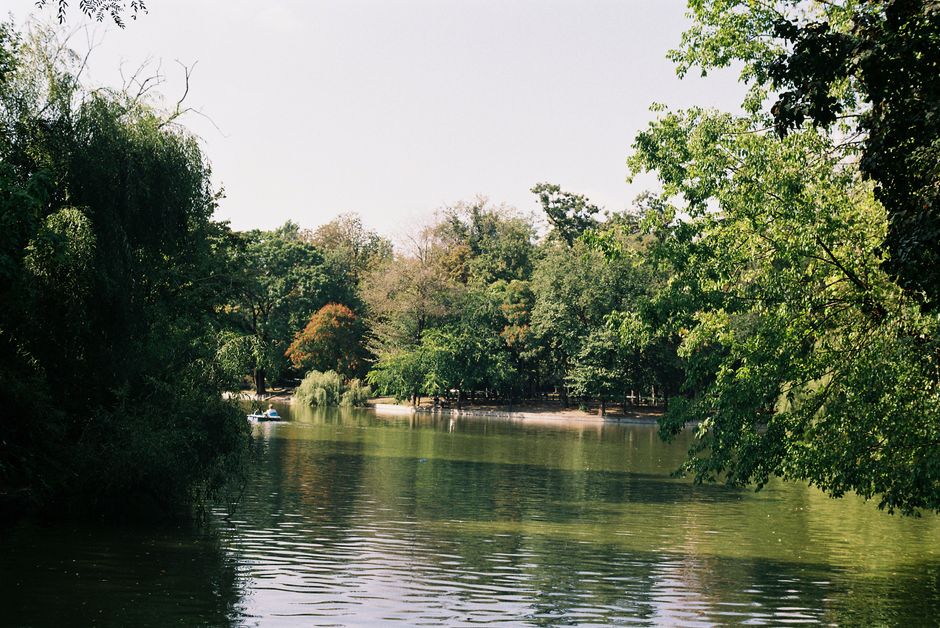
The Old Sacramento stretch gets the attention, and sure, there's historical value there. But if you walk south along the American River Parkway from Downtown Plaza, past the busy commercial sections, you hit something that feels completely different. By the time you're near Discovery Park, you're in actual nature—cottonwoods, river bends, paths where you might see a deer or a coyote depending on the time of day.
I rode my bike this section on a morning after rain. The trail was mostly empty. You pass through different neighborhoods this way—the real fabric of how Sacramento actually works—rather than staying in the tourist bubble. It's about four miles one way from downtown, doable as a half-day activity, and you'll see more of the city's actual geography than you would spending six hours in the old town.
Sutter's Fort State Historic Park
This is one of those places that's technically on the map but functionally invisible to most visitors. It's a working reconstruction of John Sutter's 1840s trading post, and the park rangers actually live there and maintain it like a functioning settlement. You can walk through blacksmith shops, see where people slept, understand the trade economy of the period without the layers of modern interpretation getting in the way.
The difference between Sutter's Fort and other historical sites is that it doesn't feel like a museum. It feels like you stepped back into a place that people actually occupied. There's a quiet, almost contemplative feeling to walking through the grounds. Admission is minimal, and you'll rarely encounter more than a handful of other visitors. Spend an afternoon here and you'll understand Sacramento's actual founding story instead of the Disneyland version.
Midtown's Independent Bookstores and Coffee Culture
Midtown Sacramento—mostly the grid around 20th and J Streets—is where locals actually live and spend time. It's not undiscovered, but it's not on the main tourist circuit either. There are independent bookstores here, actual vintage shops, neighborhoods that feel lived-in instead of preserved.
I spent one full day in this area just walking the blocks. Coffee shops where people work on laptops instead of visiting. Murals on alleys that weren't designed to photograph well. A used bookstore where the owner actually knew what was on his shelves. You'll find decent food, weird little retail spaces, and the texture of a real Sacramento neighborhood. It's the kind of place where staying for a few hours feels more authentic than any packaged experience downtown.
The View from the Capitol's Back Steps
Everyone goes through the Capitol building if they visit at all. Few people walk around to the east side and sit on the grass behind it. The view from back there—looking over the gardens and out toward the residential neighborhoods and the Sierra foothills in the distance—is genuinely beautiful in a way that feels unstaged. There are almost never people sitting back there when I visited.
I spent forty minutes one afternoon on that grass, watching the light change. No interpretive signs, no crowds, just a really solid view of a city that's simultaneously a state capital and a place where people actually live their lives. It's free, five minutes from the main tourist corridor, and it gave me more of a feeling for Sacramento than any tour guide could have.
Why Sacramento Works When You Skip the Plan
The through-line for all of this is that Sacramento, unlike Napa or San Francisco or Lake Tahoe, doesn't seem designed primarily for visitors. That's actually its strongest feature. You can wander into real parks, actual museums that aren't built around tourism, neighborhoods where people are living their lives instead of performing their lives.
I kept running into locals—artists, historians, people who'd lived here for decades—who seemed genuinely surprised that someone was visiting intentionally rather than passing through. And that openness, that lack of tourist infrastructure, made it easier to actually see what Sacramento is. Not a destination that's been polished for consumption, but a real regional city with history and actual community at its center. That's worth a trip on its own.



