
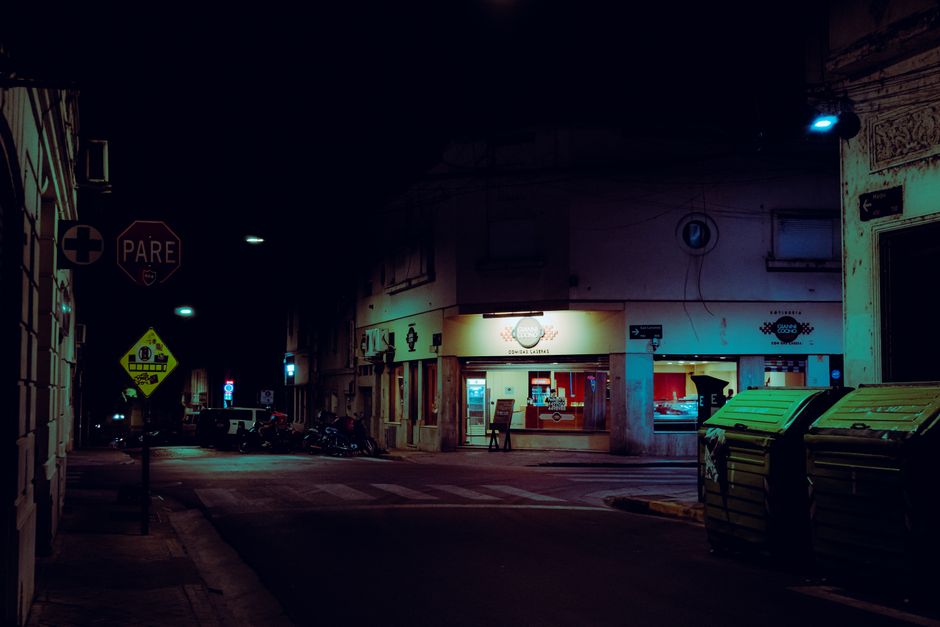
I rolled into Santa Fe on a Wednesday evening, parking near the plaza and walking straight into the kind of atmospheric old-town maze that either charms you immediately or leaves you slightly uneasy. The light was already soft, that New Mexico gold-hour thing, and the streets felt alive with tourists and locals alike. Within a couple of days, I'd figured out what locals already know: Santa Fe isn't a dangerous city by any reasonable standard, but like any place with poverty alongside wealth, a transient population, and seasonal tourism surges, there are neighborhoods and times worth being thoughtful about.
The city proper has a serious property-crime problem, mostly involving car break-ins and catalytic converter theft. Violent crime is relatively low. The real safety calculus here isn't about random muggings—it's about being aware of which blocks stay busy and well-lit, which ones quiet down early, and which stretches between attractions aren't worth the shortcut.
The Plaza and Downtown Core
The historic plaza and surrounding downtown blocks—where Canyon Road intersects, where the galleries cluster, where you'll spend most of your daylight hours—are genuinely fine, especially during business hours and early evening. Police presence is visible and routine. The foot traffic stays steady from roughly 10 a.m. through 9 p.m., sometimes later on weekends. I spent multiple afternoons wandering between shops, galleries, and cafes without incident or concern.
What changes after dark: the blocks immediately adjacent to the plaza thin out noticeably by 10 p.m. The blocks on the north and east perimeter—especially around Alameda and toward the old state capitol area—lose the tourist density and become quieter. If you're staying downtown and heading back to your hotel late, stick to the main commercial drags. San Francisco Street toward the plaza stays lit and traveled. The residential streets running perpendicular, especially heading north or east into the older neighborhoods, shouldn't be your walking route at midnight.
Agua Fria and South Side Caution Zones
Agua Fria Street heading south from downtown, and the blocks immediately south and southwest of the plaza, are where most local concerns cluster. This isn't a neighborhood I'd recommend solo travelers walk through alone late at night, especially if you're unfamiliar with the layout. The area has visible signs of economic hardship, higher property-crime reports, and less consistent foot traffic and lighting. During the day, it's functional and you'll see people going about their lives, but it's not a destination for solo evening walks.
The Agua Fria Cultural District itself—the stretch where actual galleries and studios operate—has seen revitalization efforts and attracts artists and visitors. But you want to be deliberate about timing. Visit during daylight or early evening when the galleries are open and you have a specific destination. Don't treat it as a casual walking loop at 9 p.m. if you're alone.
Car Break-Ins and Parking Reality
Seriously, don't leave anything visible in your car. Catalytic converter theft and smash-and-grabs are the actual problem you're statistically likely to encounter in Santa Fe. This isn't paranoia—it's something every local and frequent visitor mentions. I parked in a visible lot, took my bag with me, and had no issues, but I also had nothing worth stealing visible through the windows.
Parked on residential streets can be riskier than established lots. If you're staying in a hotel or rental with parking, use it. If you're renting a car just for day trips, park in visible, busy areas or dedicated lots where cameras are likely present. The parking situation downtown is tight enough that you might end up on a side street—just make the trunk-clearing choice before you leave the vehicle. This is honestly the most practical safety adjustment most solo travelers need to make here.
Getting Around: Walking vs. Rideshare After Dark
Santa Fe isn't built for walking late at night the way a compact eastern city might be. Distances are deceptive—things look closer than they are, and once you leave the main downtown blocks, street lighting can be inconsistent. If you're out past 9 or 10 p.m. and more than a few blocks from the plaza, a rideshare or taxi is the better call than walking.
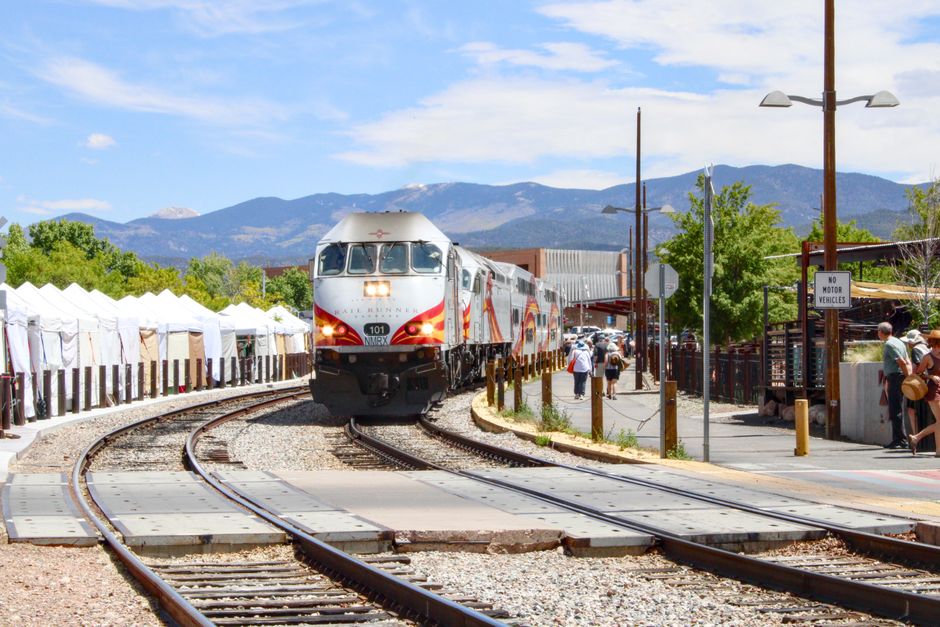
The local bus system exists but isn't frequent after dark. During the day, it's fine for getting to canyon areas or neighborhoods outside downtown. But for solo evening movement, you've got phone-based transport or your feet. There's no shame in taking an Uber or Lyft to your dinner reservation or hotel. The rides are usually affordable, and you'll avoid the very real possibility of walking down an unfamiliar, poorly lit street for 15 minutes when you could be there in 5.
Canyon Road and Surrounding Neighborhoods
Canyon Road, the gallery-lined strip heading northeast out of downtown, is a major draw for visitors. During daylight, it's excellent—crowds, galleries, restaurants, scenery. I walked it twice without concern and would do so again. The problem emerges if you're relying on walking back to downtown after a late gallery reception or dinner. The road is relatively busy with cars, but on foot after dark it's exposed and you're often walking alongside traffic with limited sidewalk space.
The neighborhoods climbing up the hills around Canyon Road—where a lot of vacation rentals sit—are residential and quiet. They're not dangerous in an abstract sense, but they're dark at night. If you're staying in one of those hillside properties, drive or rideshare back after dark rather than trying a scenic walk home.
Practical Precautions That Actually Matter
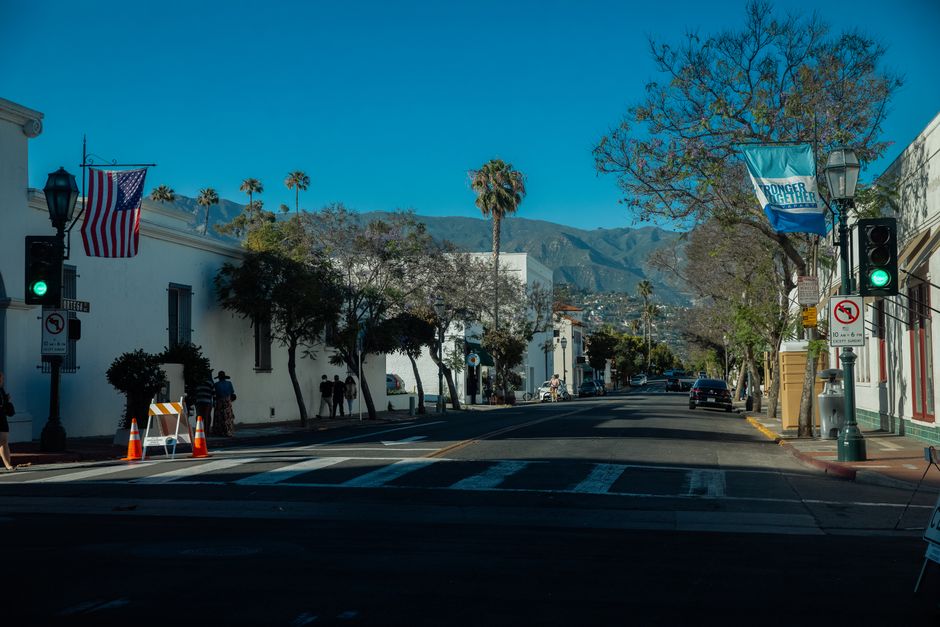
Keep your phone charged and have rideshare apps installed before you need them. Tell someone back home or a fellow traveler where you're headed if you're doing an evening activity solo. Stick to lit, populated routes when walking after sunset. Don't flash cash or expensive gear. Lock your rental car even when parked in front of where you're eating.
The paranoia level should be low here. Santa Fe isn't a high-violent-crime city. The reality is that most solo travelers pass through without incident. But property crime is real, late-night walking through quiet residential blocks isn't ideal, and a basic awareness of your surroundings—the same you'd apply in any American city—is genuinely all you need.
When to Avoid Certain Areas Entirely
The blocks directly east and southeast of the plaza, especially around the direction of Old Pecos Trail, are lower-income residential areas. Locals will navigate them fine; solo travelers looking for atmosphere should look elsewhere, particularly after dark. The northern residential streets climbing toward St. John's area can feel isolated depending on which block you're on. Agua Fria south of downtown, as mentioned, warrants caution for solo evening visitors.
None of this is to say these areas are dangerous in any absolute sense. But they're not destinations, and if you're walking through them it should be because you have a specific reason and daylight on your side. The curated, tourist-friendly Santa Fe—the galleries, the restaurants, the plaza itself—is where solo travelers have the easiest, most comfortable time. Stick to that geography and you'll be fine.
The Real Santa Fe Safety Takeaway
After a few days here, the honest safety picture is this: Santa Fe has pockets of real economic struggle and the property crime that comes with it. It also has gentrified, heavily trafficked tourist blocks where you can wander safely for hours. The crime you're statistically most likely to encounter is someone breaking into your car, not an assault. Evening walks should follow main drags and well-lit routes. After 10 p.m., rideshare beats walking if you're more than a block or two from the plaza.
Is it worth worrying about? Not really. Is it worth planning around? Absolutely. Solo travelers who give basic attention to timing, route selection, and car security will have the trouble-free Santa Fe experience that thousands of visitors have every year. The city's issues are real, but they're not romantic-destination-threatening unless you're actively careless.



