
I arrived in Santa Fe on a Friday afternoon expecting the usual high-desert silence and adobe architecture. What I found instead was a city that works—locals shopping at the farmers market, tourists circulating through galleries, restaurants doing solid business. The walkability is genuine. The light is extraordinary. But like any place with seasonal tourism spikes, a downtown core, and neighborhoods that sprawl in different directions, Santa Fe has geography and timing that matter when you're traveling alone.
I spent two weeks moving through the city on foot and by car, talking to locals, checking with the police department's public data, and watching how the city actually behaves at different hours. The bottom line: Santa Fe is safer than a lot of American cities its size, but it's not consequence-free. A little awareness goes a long way.
The Plaza and Downtown After Dark
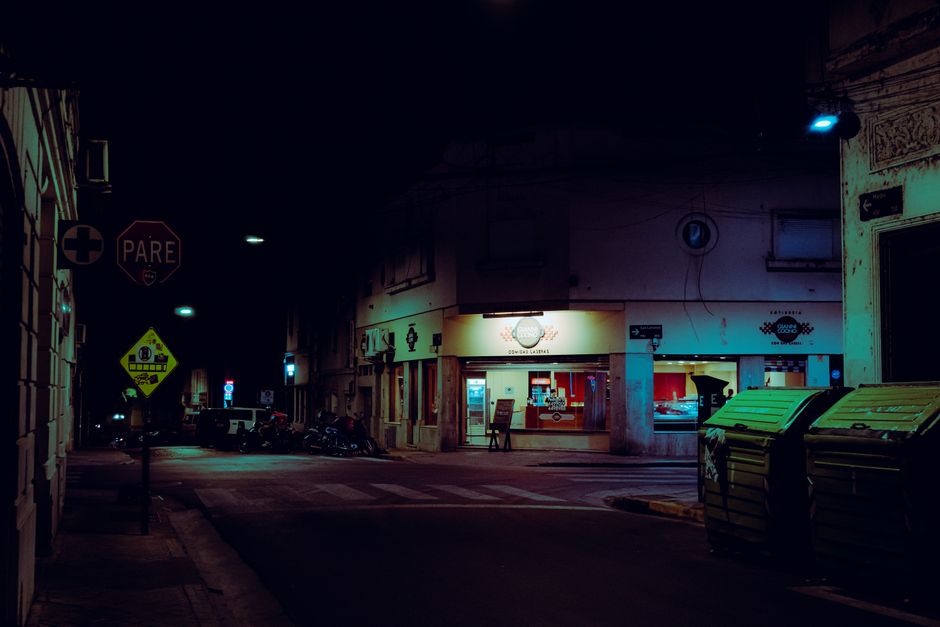
The Plaza itself—that central colonial square ringed by shops, galleries, and restaurants—is lively and well-patrolled during the day and early evening. It's the social heart of the city, and you'll see families, couples, and solo travelers moving through without issue through dinner hours. But like most downtown cores in the Southwest, it quiets significantly after 10 p.m., and the foot traffic that made it feel vibrant earlier thins out considerably.
If you're planning a night out, stay in lit areas and avoid walking alone through the narrower side streets between the Plaza and Alameda if it's past 11 p.m. The streets north and east of the Plaza—Burro Alley, Don Gaspar, parts of Water Street—can feel isolated at night. It's not that crime is rampant, but there's less oversight, fewer people around, and it's the kind of environment where trouble can happen in a vacuum. Stick to main thoroughfares, or use a car service if you're heading back from late dinner. That's just practical sense, not paranoia.
South Side and the Railyard: Use Common Sense
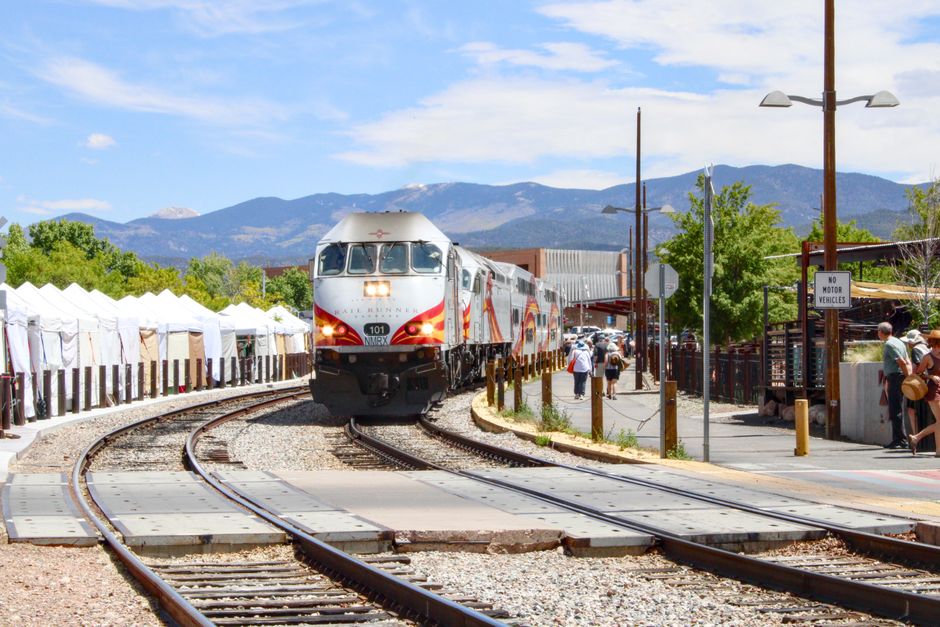
The Railyard District—south of the Plaza, centered around Cerrillos Road—has undergone significant redevelopment in the past decade. It's now home to breweries, art studios, restaurants, and the weekly farmers market. During the day, especially on weekends, it's busy and fine. Plenty of foot traffic, good energy.
That said, this area has historically had more property crime and occasional street-level disturbances than other neighborhoods. The infrastructure improved, but the traffic patterns are still in flux. Solo travelers should be alert during daylight hours—keep an eye on your belongings, don't leave valuables visible in parked cars—and avoid the surrounding blocks (especially south and west of the main Railyard action) after dark. The Railyard itself has lights and activity most nights, but the edges can feel loose. Go with your gut. If a block feels thin on people, it probably is.
Cerrillos Road: Transient Pockets and Missing Infrastructure
Cerrillos Road is Santa Fe's longest north-south corridor, and it's a study in contrasts. Parts of it are fine—near the Railyard, near St. Michael's Drive, you've got commercial life and solid foot traffic. But other stretches, particularly the mile-long sections between the main downtown and the Railyard area, are genuinely desolate. Wide streets, sparse sidewalk coverage, scattered motels and commercial uses that don't generate consistent foot traffic.
This is where you're most likely to encounter unhoused individuals and the occasional aggressive panhandling or drug-adjacent activity. It's not a zone of active danger, but it's the part of Santa Fe where isolation and lack of oversight combine. If you're staying in a motel on Cerrillos, don't walk the road at night. Use a car or ride service. During the day, it's navigable, but the experience is unpleasant—long, exposed, and you'll feel it.
That's the honest version: Cerrillos isn't dangerous in the sense of random violence, but it's uncomfortable, and there's a reason locals don't linger there.
North Santa Fe: Mostly Safe, but Know Your Exit
The neighborhoods north of the Plaza—Barrio de Analco, parts of Canyon Road—are residential, quiet, and generally very safe. Canyon Road itself, lined with galleries and studios, is a beautiful walk during daylight hours and attracts tourists steadily. It's well-maintained and low-crime.
But if you venture into the residential neighborhoods away from the main arterial roads—up into the hills north and northeast—they can feel very isolated very quickly. There's little foot traffic, minimal lighting, and you can easily lose your sense of direction in the winding streets. Solo travelers should stick to marked routes or main roads if hiking or walking in these areas, and definitely do it before sunset. It's not that these are bad neighborhoods; it's that emptiness creates its own vulnerability. Bring your phone charged, tell someone where you're going, and don't assume you can casually explore after dark.
Practical Precautions Worth Taking
Santa Fe's actual crime rate is moderate—property crime outpaces violent crime, which is true of most of New Mexico. You're statistically unlikely to be the victim of anything serious. But there are precautions that don't require paranoia.
Keep your hotel and car doors locked. Don't leave electronics or cash visible in your vehicle. Avoid walking alone in the areas I mentioned after dark—use ride services, stay on main roads, or plan activities accordingly. Keep your phone charged and know which neighborhoods you're heading into. Be aware during peak tourist season (summer, holidays, summer arts festivals) that pickpocketing does happen in crowded Plaza areas—treat it like any tourist zone.
Use courtesy and common sense with people you encounter, especially on the street. Most people are fine. But unhoused individuals who are struggling with mental health or addiction sometimes escalate if approached or engaged; don't see a problem where there isn't one, but don't linger in conversation if something feels off. Trust your instincts. Solo female travelers should take the usual precautions—be aware of your surroundings, don't isolate yourself unnecessarily, and know that Santa Fe's tourist infrastructure and general vibe are actually protective factors. The city wants people to feel safe and spend money.
When to Ask Locals and When to Avoid Areas Entirely
If you're staying in a hotel or rental, ask the staff where they feel comfortable sending solo travelers after dark. Most of them live here and will give you honest information. Likewise, if you're planning to venture into any neighborhood you're unsure about, a quick conversation with a bartender or shop owner will clarify what's what.
Avoid the south side of the city beyond the Railyard (south of Paseo de Peralta) after dusk without a specific destination and local knowledge. Avoid lingering on Cerrillos Road at night. Avoid walking isolated residential blocks after dark anywhere in the city. These aren't dramatic restrictions—they're the kind of practical thinking you'd apply to any unfamiliar city.
The Reality: Santa Fe Works Most of the Time
I walked through Santa Fe solo from dawn to late evening, visited galleries alone, ate dinner by myself, drove around at night. I had no incidents and felt largely at ease. The city has a functioning downtown, strong police presence in visible areas, and a culture oriented toward tourism and hospitality. Most solo travelers will move through without problem.
What I did was pay attention to where I was and when. I didn't assume universal safety because the city is beautiful and small. I treated daytime and nighttime differently. I used ride services when walking felt wasteful or risky. And I understood that solo travel means taking slightly more precautions than you might with a companion—not because Santa Fe is inherently dangerous, but because you don't have a backup plan if something goes sideways.
That's it. Go, enjoy the food, the galleries, the light. Just don't wander into avoidable situations at 2 a.m.



