How Smoking Weed Is Boosting the Economy of This Nevada State City
Smoking weed is boosting the economy of this Nevada state city — and the numbers tell a compelling story. Las Vegas, Nevada’s most iconic city, has become one of the most prominent examples in the United States of how legal cannabis can reshape a local economy. From tax revenue to tourism dollars and job creation, marijuana legalization is quietly becoming one of the city’s most powerful economic engines.
Table of Contents
- How Smoking Weed Is Boosting the Economy of This Nevada State City
- Why Las Vegas Is Nevada's Cannabis Economic Hub
- Cannabis Tax Revenue: Where Does the Money Go?
- Jobs and Business Growth in the Las Vegas Cannabis Sector
- Challenges That Temper the Economic Gains
- What Residents Think About Cannabis and the Local Economy
- The Bigger Picture: Cannabis as Urban Economic Strategy
- Conclusion
- Frequently Asked Questions
Nevada legalized recreational cannabis for adults in 2017, and Las Vegas quickly emerged as the state’s cannabis capital. For a city already built on entertainment, hospitality, and tourism, adding legal weed to the mix turned out to be a natural and lucrative fit.
- Las Vegas generates tens of millions in cannabis tax revenue annually, funding public services and infrastructure.
- The cannabis industry has created thousands of jobs across retail, cultivation, logistics, and compliance sectors.
- Cannabis tourism is a growing segment, attracting visitors who specifically seek legal marijuana experiences.
- Local dispensaries contribute to neighborhood economies through real estate, staffing, and vendor contracts.
- Small cannabis businesses are finding opportunity in a market that rewards innovation and branding.

Why Las Vegas Is Nevada’s Cannabis Economic Hub
Las Vegas draws tens of millions of visitors every year, making it uniquely positioned to benefit from cannabis tourism. Unlike many cities where dispensaries serve primarily local customers, Las Vegas dispensaries serve a massive transient population that often includes first-time cannabis buyers curious to try a legal product while on vacation.
Dispensaries on or near the Las Vegas Strip have reported consistently high foot traffic. Tourists who would not ordinarily visit a dispensary in their home state often feel comfortable doing so in a destination known for adult entertainment and leisure. This behavioral shift translates directly into economic activity — sales, taxes, and associated spending on food, lodging, and transport.
The Role of Cannabis Tourism
Cannabis tourism is not a fringe concept in Las Vegas — it has become a recognized part of the broader tourism product. Some hotels and resorts have begun accommodating cannabis-friendly guests, and a growing number of tour operators offer cannabis-focused experiences. This segment of the market creates economic ripple effects well beyond the dispensary itself.
Visitors who come for cannabis often spend money across the broader hospitality ecosystem. Restaurants, rideshare services, and entertainment venues all benefit from a tourist base that includes cannabis consumers. Just as legal sports betting reshaped visitor spending patterns, legal cannabis is carving out its own economic niche.
Cannabis Tax Revenue: Where Does the Money Go?
One of the most tangible ways smoking weed is boosting the economy of this Nevada state city is through tax revenue. Nevada imposes both an excise tax on cannabis sales and a standard sales tax, meaning every dispensary transaction contributes to the public treasury. Over the years since legalization, cumulative cannabis tax revenue in Nevada has climbed into the hundreds of millions of dollars statewide, with Las Vegas accounting for the lion’s share.
These funds are directed toward multiple public priorities. A portion flows into the state’s education fund, while other allocations support local government budgets, public health initiatives, and regulatory oversight. For a city like Las Vegas, where public budgets must stretch to serve a large and growing population alongside millions of visitors, cannabis tax dollars have become a meaningful supplement to traditional revenue streams.
How Tax Money Is Allocated
- Education funding: Cannabis excise tax revenues help support Nevada’s K-12 education budget.
- Local government services: City and county governments receive a share to fund services ranging from roads to public safety.
- Regulatory costs: A portion funds the Cannabis Compliance Board, ensuring the industry operates safely and legally.
- Community programs: Some revenue is directed toward substance abuse programs and public health outreach.
Jobs and Business Growth in the Las Vegas Cannabis Sector
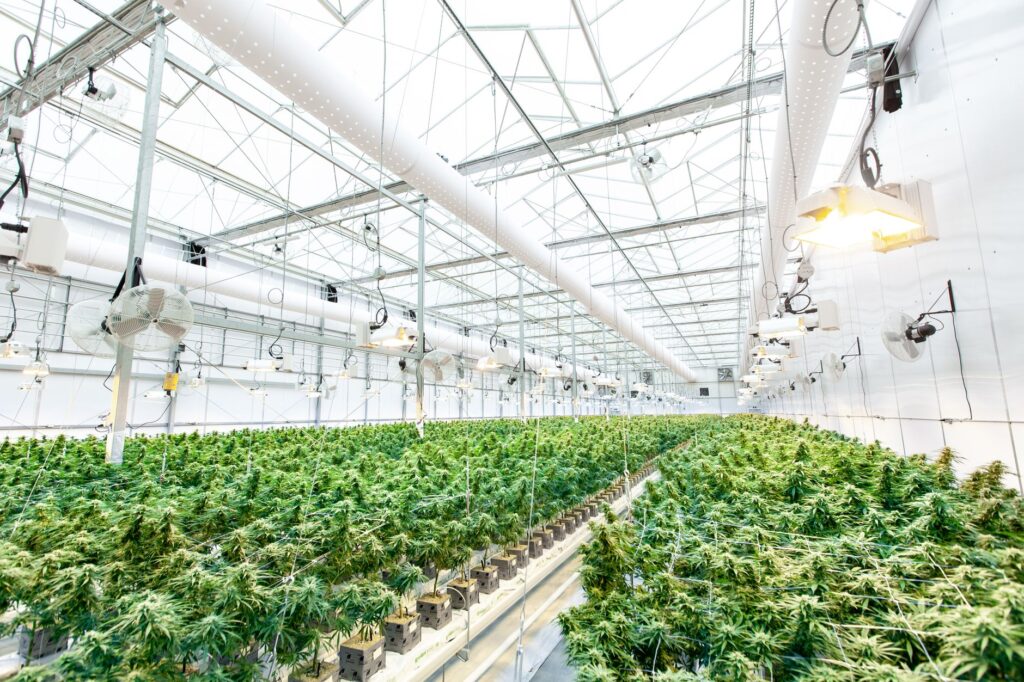
The cannabis industry has become a genuine employer in Las Vegas. Dispensaries require trained budtenders, security personnel, managers, compliance officers, and marketing professionals. Behind the retail layer, cultivation facilities, processing operations, and distribution networks employ additional workers across a range of skill levels and pay grades.
Many of these jobs are accessible to workers without college degrees, making the cannabis sector an important source of employment for communities that have historically faced economic barriers. As the industry matures, career pathways within cannabis — from entry-level retail to cultivation science to corporate management — have become more defined and stable.
Entrepreneurship and Small Business Opportunity
Cannabis legalization has also opened the door for entrepreneurs. While large multi-state operators dominate significant market share, Nevada’s licensing framework has allowed smaller, independent businesses to establish themselves. Local cannabis brands, artisanal edible makers, and cannabis-adjacent businesses such as accessories retailers and consulting firms have found a foothold in the Las Vegas market.
This entrepreneurial activity adds another layer to the economic impact. Small business formation generates local spending on supplies, services, and staffing — all of which feed back into the Las Vegas economy. For a city historically dominated by mega-corporations in gaming and hospitality, the cannabis sector’s small business component offers a meaningful diversification of economic ownership.
Challenges That Temper the Economic Gains
Despite the clear economic benefits, the cannabis industry in Las Vegas faces real challenges. Federal illegality remains the most significant structural obstacle — cannabis businesses cannot access standard banking services, which forces many to operate primarily in cash. This creates logistical difficulties, security risks, and added costs that eat into profitability and limit economic efficiency.
Regulatory compliance costs are also substantial. Operators must meet strict testing, labeling, and reporting requirements, all of which require investment in systems, staff, and professional services. These costs disproportionately burden smaller businesses, potentially limiting competition and diversity in the market over time.
Illicit market competition is another concern. When legal prices are driven up by taxes and compliance costs, some consumers continue to purchase from unlicensed sources. This reduces the economic impact of legalization and undercuts the tax revenue projections that policymakers rely on. Cities like Las Vegas have invested in enforcement, but the illegal market remains a persistent challenge across the country, as explored in coverage of the city with the highest weed selling rate in Missouri, where market dynamics tell a similar story.
What Residents Think About Cannabis and the Local Economy
Community opinion in Las Vegas on cannabis is broadly supportive, reflecting both personal freedom values and economic pragmatism. Many residents recognize that cannabis tax dollars fund services they directly benefit from, creating a practical alignment between acceptance of the industry and self-interest in its success.
That said, concerns about public consumption, impaired driving, and proximity of dispensaries to schools or residential neighborhoods persist. City planning and local ordinances have attempted to address these concerns through zoning regulations and public education campaigns. Balancing economic opportunity with community well-being is an ongoing negotiation in Las Vegas, as it is in many legalized markets.
The broader civic conversation about urban economic health in American cities is a rich one — from debates over public health challenges facing Pennsylvania cities to questions about what drives economic stress and opportunity at the local level.
The Bigger Picture: Cannabis as Urban Economic Strategy
Las Vegas is not the only city exploring cannabis as an economic tool, but it may be the most dramatic example of how a pre-existing tourism and entertainment infrastructure can accelerate cannabis market growth. The city’s experience offers lessons for other municipalities weighing legalization or looking to maximize economic returns from existing legal frameworks.
The cannabis economy also intersects with broader urban dynamics. Cities that invest in workforce development for cannabis careers, streamline licensing for small businesses, and use tax revenue transparently tend to generate more sustained economic benefit than those that treat cannabis as simply a tax grab. For Las Vegas, the long-term opportunity lies in deepening the industry’s roots — not just capturing tourist dollars, but building a resilient, locally-anchored cannabis sector.
Urban economic strategies vary widely across the country. Whether it’s examining social and economic pressures in Kansas City or tracking policy-driven shifts in spending, the story of how cities adapt their economic base is consistently fascinating — and cannabis legalization is one of the more compelling chapters of recent decades.
Frequently Asked Questions
Which Nevada city benefits most from cannabis tax revenue?
Las Vegas generates the largest share of Nevada's cannabis tax revenue due to its massive tourism base and high concentration of licensed dispensaries. The city's entertainment-driven economy makes it a natural fit for high cannabis sales volumes. Tax dollars collected flow into education, local government services, and regulatory programs.
Is cannabis legal to purchase and use in Las Vegas?
Yes, recreational cannabis is legal for adults aged 21 and older in Nevada, including Las Vegas. Adults can purchase cannabis from licensed dispensaries and consume it in private spaces, though public consumption remains prohibited. Visitors should familiarize themselves with local consumption rules before purchasing.
How does cannabis tourism contribute to the Las Vegas economy?
Cannabis tourism adds a distinct spending segment to Las Vegas's already robust visitor economy. Tourists who purchase cannabis at dispensaries also tend to spend money on dining, lodging, and entertainment, creating broader economic ripple effects. Some businesses have developed cannabis-focused experiences specifically to attract this growing traveler segment.
What types of jobs does the cannabis industry create in Las Vegas?
The cannabis sector in Las Vegas employs workers across retail, cultivation, processing, distribution, compliance, and marketing. Many positions are accessible without a college degree, making the industry an inclusive employer. As the market matures, defined career pathways have emerged within the sector.
What are the main challenges facing the cannabis industry in Nevada?
Federal illegality is the most significant barrier, preventing cannabis businesses from accessing standard banking services and forcing many to operate in cash. High compliance costs and competition from the illegal market also constrain profitability and limit the full economic potential of legalization. Regulatory and public consumption concerns continue to shape how cities manage the industry at the local level.
Conclusion
There is little doubt that smoking weed is boosting the economy of this Nevada state city in ways that extend well beyond the dispensary counter. Las Vegas has leveraged its unique position as a global tourism destination to build a cannabis economy that generates meaningful tax revenue, creates thousands of jobs, and attracts a new category of visitor. The industry is not without complications — federal banking restrictions, compliance burdens, and illicit market competition all create friction — but the net economic contribution is real and growing.
For residents, policymakers, and observers watching how American cities adapt to new economic realities, Las Vegas offers a front-row view of legal cannabis at scale. The plant that was once entirely prohibited is now one of the city’s quiet but consequential economic contributors — and that transformation shows no signs of slowing down.