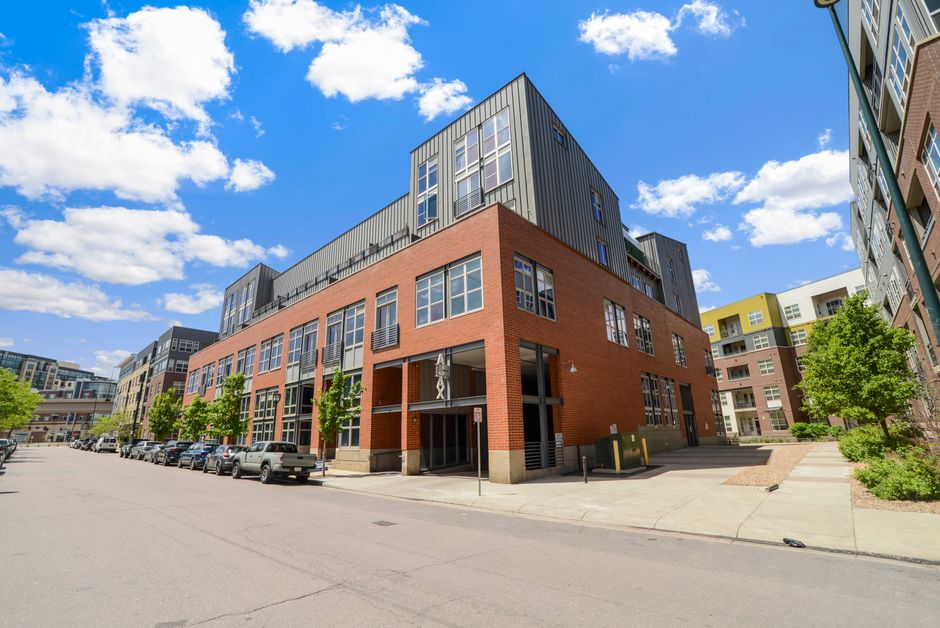
I landed at Denver International on a gray afternoon in March, pulled up Google Maps on my phone, and realized I'd been coming to this city for almost a decade without actually living here. That changes when you rent an Airbnb—suddenly you're not just a visitor darting between attractions, you're someone who needs to find a decent coffee shop, figure out where people actually walk at night, and understand which neighborhoods won't leave you staring at four walls by 8 p.m.
Denver's sprawl can make choosing a neighborhood feel like picking a neighborhood in four different cities at once. The downtown core is loud and expensive. The surrounding areas are quieter but feel disconnected. And then there are the neighborhoods that somehow manage both walkability and breathing room—the ones where you can get dinner, a drink, or a hike without driving. That's what I'm looking for when I book short-term here, and that's what this guide covers.
Capitol Hill: Energy Without Apology
Capitol Hill is the neighborhood people mean when they say Denver has a pulse. The pedestrian traffic on 17th Avenue alone—bookstores, vintage shops, taco stands, craft cocktail bars—will convince you that you've actually left the sprawl behind. On a Friday night the sidewalks stay busy. On a Tuesday afternoon they're still reasonably full.
Walkability here is genuinely good. You can cover most of what matters on foot. The safety situation is mixed, though—Capitol Hill has the energy that comes with density, and with that comes the usual urban reality. The neighborhood is well-lit and policed, but petty theft and the occasional street-level chaos are part of the deal. Stay aware, don't leave things in your car, and you'll be fine. Most visitors don't experience problems.
Nightlife isn't subtle. There are dive bars, upscale cocktail lounges, live music venues, and dancing if you want it. If quiet is what you need, you won't find it here—especially on weekends. Nightly Airbnb rates typically run $120–$180, though that climbs during peak season and special events. For what you get in terms of walkability and things to do, it's reasonable.
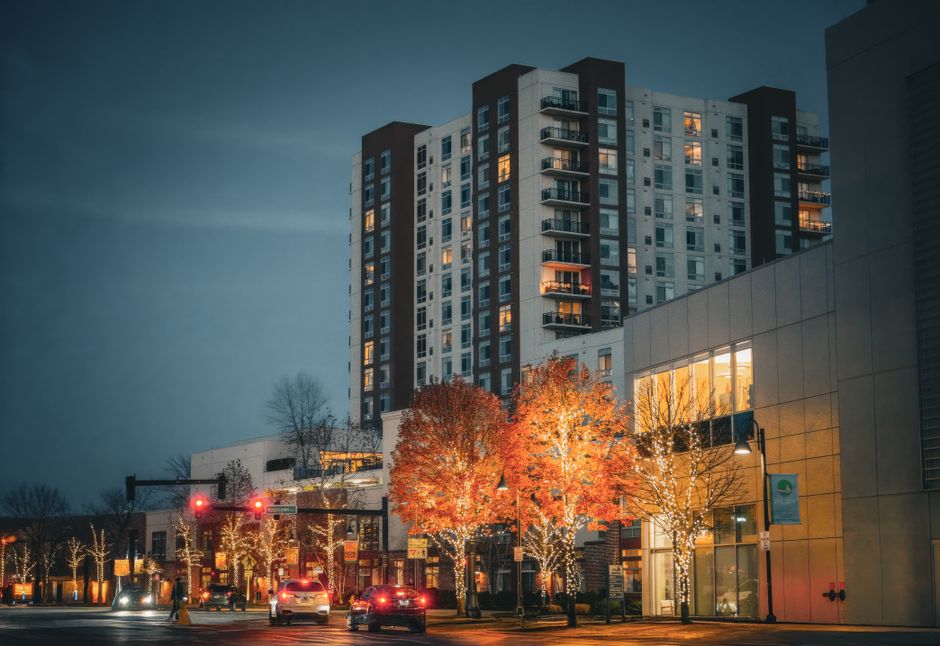
Highland: Neighborhood Feel With Urban Access
Highland sits northwest of downtown and feels like a deliberate choice to live in Denver rather than just occupy it. The streets have trees. The bars and restaurants feel like they're there because locals wanted them, not because a developer saw market opportunity. 32nd Avenue and the surrounding blocks have become genuinely pleasant in the last few years—good restaurants, a small brewery or two, coffee shops where people actually sit and read.
Walkability is solid but not obsessive. You'll walk to dinner and coffee without thinking twice. Getting to museums or downtown takes a short bus or rideshare. It's the sweet spot for people who want to move around on foot but don't need everything within a three-block radius. The neighborhood is safe at night in the way most residential Denver neighborhoods are—low-key, well-lit, nothing that should set off alarms.
The vibe here leans quiet. Nightlife exists but doesn't dominate. You'll find people out on patios in good weather, conversation-volume music in bars, not the kind of place where you're shouting to be heard at 2 a.m. Nightly rates hover around $100–$160, and they stay relatively stable. If you're renting an Airbnb here, you're not paying for proximity to chaos.
River North (RiNo): Emerging But Not Overstayed
River North has been "up and coming" for so long that it's actually come up. The warehouse conversions and street art are real, but it hasn't calcified into that exhausting phase where every business seems designed for Instagram. Legitimate breweries and restaurants have roots here. It still feels like something is being built rather than something finished and waiting for foot traffic.
The walkability depends on which part of RiNo you're in. The zone between Brighton Boulevard and 25th Street is genuinely walkable and has actual destinations. Venture further out and you're running into blocks that are emptier, still in transition. For short-term rentals, stick to that central corridor. Safety at night is fine but not stupid—it's industrial enough that you should move with purpose, not wander around aimlessly at midnight.
Nightlife is present without being overwhelming. There are proper bars, plenty of places to eat, breweries where the beer is actually good and people are talking about things other than their real estate investment. It doesn't have the relentless energy of Capitol Hill. You can have a quieter evening without feeling isolated. Nightly rates run $110–$170, with some variation based on exact location and how recently the unit was renovated. You're paying for neighborhood momentum without paying peak downtown prices.
Cherry Creek: Walkable Shopping, Low Crime
Cherry Creek is Denver's wealthiest neighborhood, and it reads that way immediately. The streets are clean. Trash gets picked up. The shopping is serious—high-end boutiques, flagship stores—but the neighborhood is more than a mall. There are actual residences, parks, restaurants that aren't chains, and surprising pockets of quietness.
Walkability is excellent. The entire neighborhood is designed for pedestrians, and the creek itself runs through it, providing a pleasant walk that doesn't have an obvious commercial purpose. South Pearl Street and the surrounding blocks are charming in the way that's common when money has been applied consistently. Safety at night is as good as it gets in Denver. The neighborhood is well-lit, heavily patrolled, and has the kind of quiet confidence that comes with stable long-term residents.
Nightlife exists but takes a specific form. Higher-end bars, restaurants with reservations, wine shops. You're not going to find dive bars or cheap beer joints. If you want to sit quietly with a good cocktail or take a dinner reservation seriously, this works. If you want loose, casual nightlife, look elsewhere. The trade-off is that you can walk safely and comfortably at any hour. Nightly rates are the highest on this list—expect $160–$250 or more. You're paying for safety, walkability, and a neighborhood that doesn't feel frantic.
South Pearl Street: Residential Walkability
South Pearl Street—roughly the stretch between Broadway and the Cherry Creek area—occupies interesting ground. It's walkable and has restaurants and bars without feeling like a tourist zone. The neighborhood has a mix of longtime residents and newer arrivals, which keeps it from calcifying into either an undiscovered secret or an overrun hotspot.
This is a place where you can walk to dinner, walk to coffee, walk to a brewery, and actually encounter regular life along the way. The pedestrian experience is better than many Denver neighborhoods, partly because the street itself is pleasant and partly because enough people use it that it stays active without being crowded. Safety at night is solid—good lighting, decent foot traffic, the general feeling of a stable neighborhood.
The nightlife and quiet balance here is measured. You can have a lively evening or a quiet one depending on which block you land on and what day of the week it is. Weekends bring more energy; weekday nights are calmer. Nightly rates typically run $110–$170, depending on exactly where you are and what season it is. It's a reasonable middle ground for someone who wants walkability without paying downtown prices or dealing with the intensity of Capitol Hill.

How to Actually Choose
The honest answer is that your neighborhood choice depends entirely on what you actually do with your time. If you're someone who'll be out most evenings—exploring bars, eating at restaurants, moving around—Capitol Hill or RiNo makes sense. You're paying for walkable access to things. If you're working remotely and need a comfortable base that doesn't exhaust you, Highland or South Pearl Street are better bets. If you want the safest option and don't mind spending more, Cherry Creek is straightforward.
What matters less than you'd think is the specific street address. What matters more is whether the Airbnb itself is actually clean, whether the host responds to messages, and whether the neighborhood fits how you actually spend time. Read the reviews. Look at photos taken during different times of day. Don't just assume a neighborhood's reputation is current—Denver changes block by block, sometimes faster than the internet catches up.