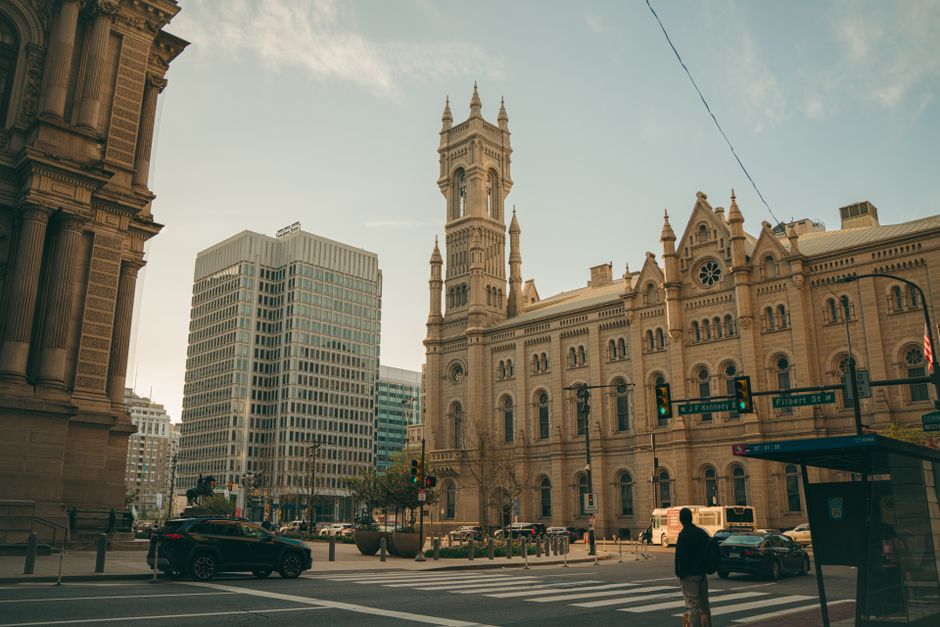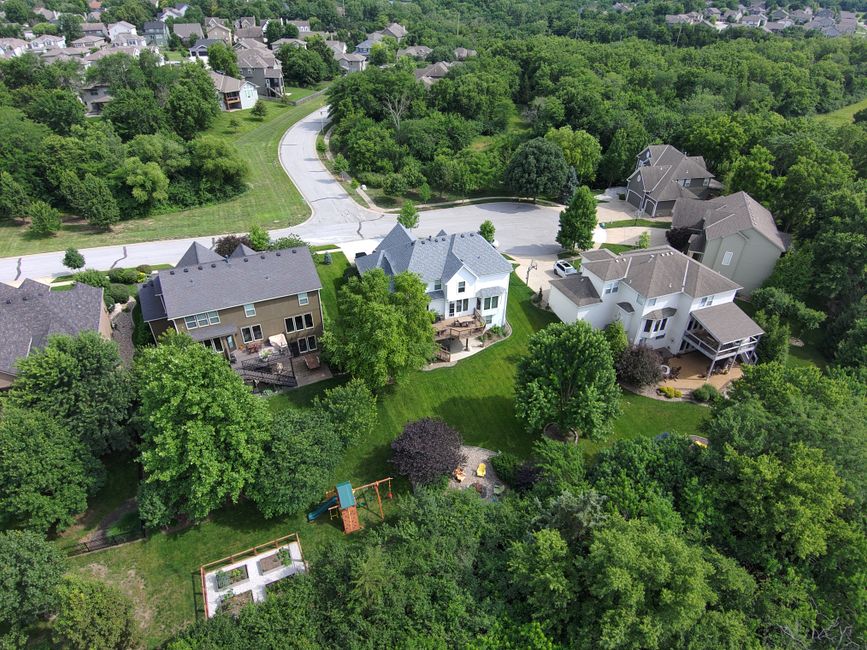
I rolled into Kansas City on a Thursday evening with the kind of weather that makes you wonder why anyone lives anywhere else. The air was clean, the streets weren't packed, and there was actual space to breathe. After spending the better part of a decade bouncing between coastal cities and their inevitable gridlock, I was curious about what KC actually offered beyond barbecue and fountains.
What struck me immediately was how different each neighborhood felt. You could spend a weekend in Crossroads and think you'd landed in Brooklyn. Drive twenty minutes southwest and you're in something closer to the residential Midwest of your imagination. The neighborhoods here don't blur together like they do in bigger cities—they have actual personalities. That's both the appeal and the real question: which one suits you?
Crossroads Arts District
The Crossroads is what happens when artists find cheap rent and decide to stick around. It's concentrated around Main Street between Truman Road and 24th, and it's the closest thing Kansas City has to a trendy urban neighborhood, though saying that feels wrong because it genuinely doesn't feel precious. The streets are lined with galleries, street art covers practically every wall, and there's a particular energy on the First Friday of each month when galleries stay open late and people actually mill around outside.
You'll find working studios in converted warehouses, coffee shops that know how to pull espresso, and restaurants that actually give a damn about their ingredients. The crowd skews younger—twenties and thirties, mostly—and it draws the type of person who moved to Kansas City intentionally rather than accidentally. If you're a solo traveler looking to feel like something is happening, you'll find people and things to do here. The neighborhood can feel a bit self-aware, sure, but it's earned it.
Housing runs the gamut from surprisingly expensive lofts to apartments that are still reasonable by national standards. The area can be hit-or-miss depending on what block you're on, and I'd recommend walking around during different times of day before committing to anything. Some stretches are active and well-lit; others feel emptier after 9 PM.
Midtown
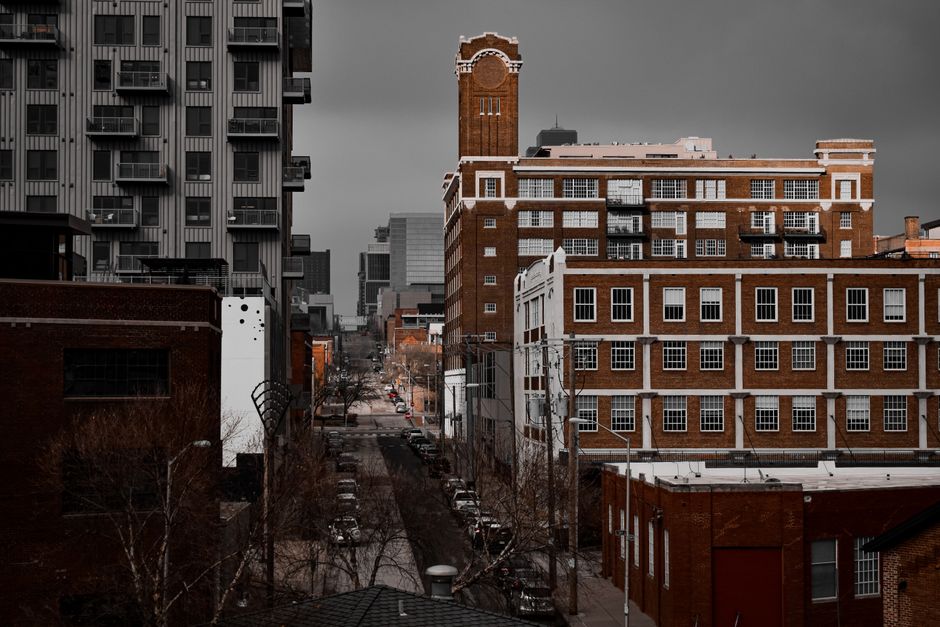
Midtown sits between downtown and the Plaza, anchored by Main Street as it passes through the Troost corridor. It's denser than Crossroads but less aggressively artistic—more established, more mixed-income, more genuinely diverse. The restaurant scene here is thoughtful without being fussy. You'll find proper Thai food, solid barbecue joints, breweries that actually have regular customers, and cafes where people camp out with laptops for hours without anyone making them uncomfortable.
The neighborhood appeals to people who want city living but don't need everything to be performative. Young professionals choose this area, as do established families and people in the early stages of retirement who want walkability and culture without constant noise. It's got museums nearby—the Negro Leagues Baseball Museum is a legitimate draw—plus access to both the Plaza and downtown depending on your mood. The Boulevard Brewing Company operates out of here, and that's actually worth a visit beyond the typical brewery routine.
The housing stock is older, which means character but also means you're gambling a bit on renovation quality depending on what you rent. I spent an afternoon walking the residential streets off Main and was struck by how lived-in everything feels—not polished, but genuinely occupied by people who are there for reasons beyond speculation. That's rare in neighborhoods going through transition.
Westport
Westport is Kansas City's version of the neighborhood that used to be the nightlife epicenter and is now figuring out what it wants to be. Centered roughly around Main Street south of the 39th Street intersection, it's got historic bones—some buildings here predate most of the city—and a glorious mess of a character. The barbecue pedigree is legitimate (Joe's Kansas City Bar-B-Que is genuinely good if you don't mind rubbing shoulders with locals), and the music venues still operate, though the scene is quieter than it was in the nineties.
You'd choose Westport if you want something grittier, if you appreciate history, if you don't mind that buildings look lived-in rather than renovated. It's popular with people who've been in KC for years and aren't interested in following trends. The restaurant and bar crowd has some actual personality—these aren't places trying to be something, they're just existing. Prices remain reasonable compared to the Plaza or Crossroads, which makes it appealing for people on genuine budgets.
The tradeoff is that not every corner feels equally safe or maintained. The neighborhood has pockets of real vitality and stretches that are clearly still working toward something. If you're visiting for a night out, you'll have a good time. If you're moving here long-term, walk around at different hours and trust your instincts about where you'd actually live.
Country Club Plaza
The Plaza is Kansas City's answer to old money and good bone structure. Built in the 1920s as one of the first planned shopping districts in the country, it's aged into something genuinely pleasant—tree-lined streets, Spanish-colonial architecture that doesn't feel like a theme park, and the kind of retail mix that serves actual residents rather than just tourists. Yes, there are chains, but they're interspersed with local boutiques and restaurants that have been around long enough to have opinions about how things should be done.
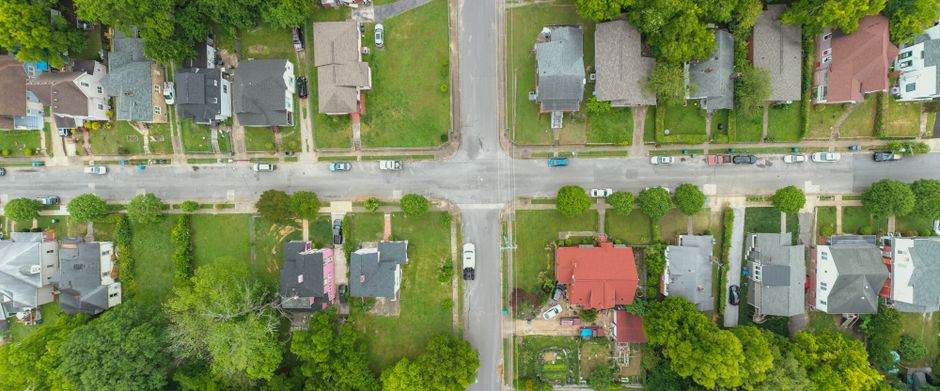
The residential neighborhoods surrounding the shopping district are where the established professionals and retirees actually live. The area appeals to people who want Kansas City amenities without feeling like they're camping in the middle of the Midwest. There's proximity to good schools, parks, and cultural institutions. The vibe is genuinely affluent without being ostentatious, which is remarkable for an urban shopping district in 2024.
Housing costs here reflect the demand—you're paying for location and stability, not trend. Young professionals sometimes choose this area if they've landed a solid job and want to feel settled. Families like the schools and the walkability. If budget is your primary concern, you're better off in Midtown or Westport. But if you want the sense of living in an actual established neighborhood with infrastructure and community institutions, the Plaza delivers.
Northland and Northglenn
North Kansas City and the broader Northland area exist in a different relationship to the city than the neighborhoods closer to downtown. It's more suburban, more family-oriented, less focused on trendy dining or gallery walks. You'll find parks, schools that people actually choose, and a density that drops noticeably from downtown. The commercial strips are practical—grocery stores, hardware shops, the kind of businesses that serve neighborhoods rather than attract them.
If you're moving to KC with a family, or if you're retired and genuinely want quiet and space without leaving the city entirely, the Northland makes sense. It's affordable, it's clean, and it doesn't require you to be interested in any particular scene. You can be a regular at the same coffee shop without it being a statement. The tradeoff is that you'll need a car for most things—walkability is significantly lower than downtown neighborhoods.
Visitors sometimes pass on the Northland entirely, which is reasonable if you're only in town for a weekend. But if you're relocating for work and have a family, or if you're someone genuinely seeking stability, this area deserves a serious look. The housing stock runs toward maintained single-family homes and newer apartment complexes. It feels less like Kansas City is happening to you and more like you're just living an ordinary, decent life, which some people actually want.
Practical Advice for Choosing Where to Stay
Spend time walking through whichever neighborhood you're considering, and do it at different times of day. A neighborhood feels completely different at 2 PM versus 10 PM, and you should know what you're signing up for. Talk to people in coffee shops or bars—they'll give you real information about what the daily experience is actually like.
For short visits, base yourself in Crossroads if you want walkability and activity, or Midtown if you want something slightly more established but still city-feeling. Westport works if you're interested in nightlife and history. The Plaza is reliable if you want to feel like you're in an actual neighborhood.
For relocating long-term, decide honestly about what you actually need. Do you want walkability and constant activity, or do you want space and stability? Can you do without a car, or would that drive you crazy? Are you moving for work in a specific area? These are better questions than trying to chase whatever neighborhood is supposedly coolest right now. Kansas City's best feature is that different neighborhoods actually feel different, and one of them will probably suit you better than the rest.