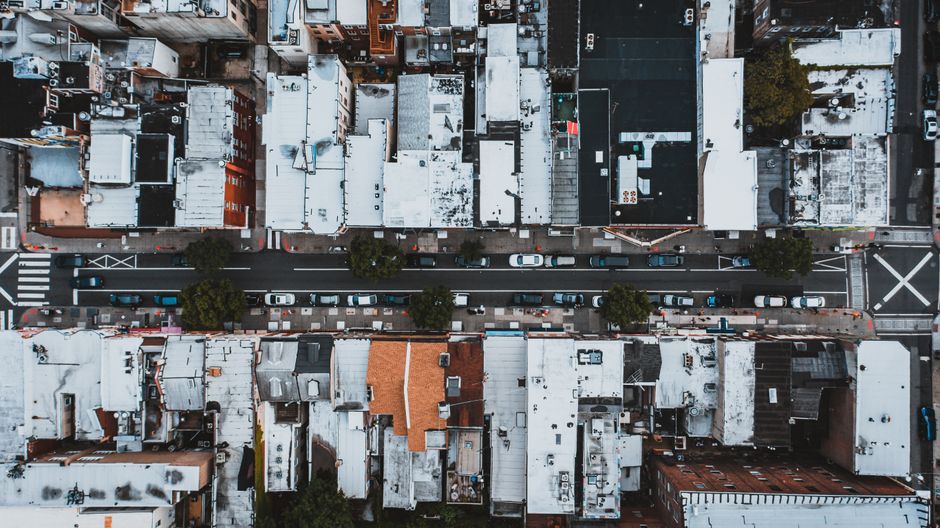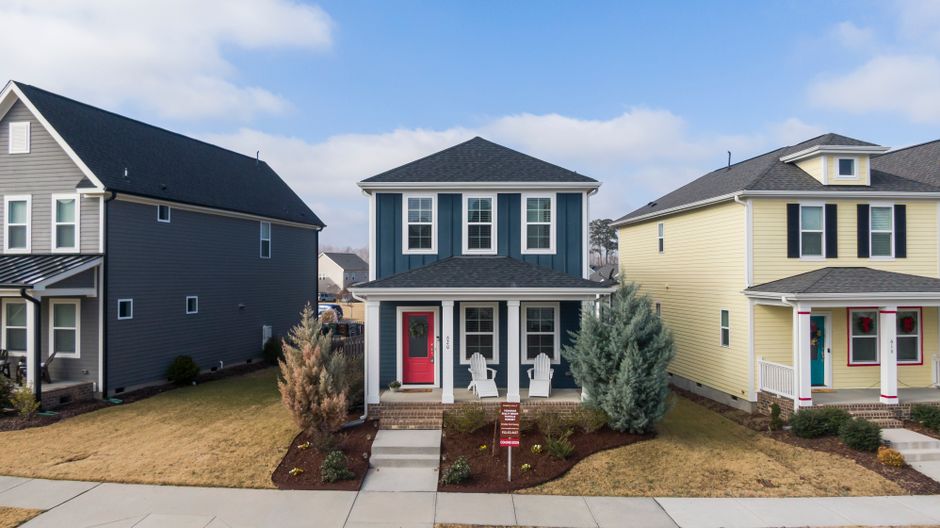
I arrived in Raleigh on a humid September afternoon expecting the typical research-triangle tech sprawl, and instead found myself genuinely torn between neighborhoods. The city's not huge—you can cross it in twenty minutes by car—but it's weirdly fragmented, each area with its own rhythm. I spent two weeks bouncing between districts, eating badly, taking notes, and realizing that where you plant yourself here actually matters for the experience you get. This isn't a city where it doesn't matter; it really does.
The question isn't whether Raleigh has good neighborhoods. It's which one fits how you actually live. A young professional working hybrid from coffee shops needs something totally different than a family hunting good schools and a commute to Durham. A retiree looking for cultural events and walkability has different priorities than a tourist trying to feel like they've *been* somewhere. So let's skip the generic rundown and actually match neighborhoods to people.
Downtown Raleigh: Food, Bars, and Easy Everything
Downtown's changed enough in the last decade that locals have opinions about whether it's gentrified itself into blandness or finally woken up. I lean toward the latter, but I also ate at three farm-to-table restaurants in four blocks, so take that with salt.
Fayetteville Street is the spine—lined with restaurants ranging from solid tacos to ambitious New American spots. Moore Square area has galleries, craft beer joints, and Thursday-night street closures for events. Parking is actual downtown parking (pay or hunt), and the neighborhood hums during business hours, then gets quieter after dark, which means it's ideal for someone working on-site downtown or wanting walkable dinner options without needing a car. The residential stock is mostly newer apartments and some converted lofts, not Victorian houses—it's urban-lite, which some people love and others find sterile.
Best for: Young professionals who work downtown, people who want walkable dinner scenes, solo travelers wanting energy. Skip it if you need a backyard or quiet evenings.

Wade Avenue Corridor: Close to Campus, Close to Everything
Wade Avenue runs along NC State's campus and carries that college-town hum even if you're not a student. Coffee shops full of people with laptops, cheap brunch spots, vintage shops, and a general sense that something's always happening. The strip from NC State toward downtown is where you actually *feel* the movement of the city.
The residential areas branching off Wade—neighborhoods like Ridgetop and parts of Glenwood—mix student housing, young-professional rentals, and actual established residents who've decided not to move. You get diverse ages, active street life, and the slight chaos that comes with that mix. Glenwood Avenue itself has independently owned restaurants and bars that feel like actual neighborhood hangs, not corporate chains. Walk around on a Friday night and you understand why people chose to stay here instead of moving to Chapel Hill or Durham.
Best for: Anyone who likes walkable neighborhood energy, young professionals, students' families, people who want to be near but not in downtown. Requires comfort with street noise and student-area unpredictability.
Cameron Park: Walkable, Historic, Close to Downtown
Cameron Park sits southeast of downtown and is maybe the most deliberately curated neighborhood in Raleigh—Victorian and early-20th-century homes on tree-lined streets, visible renovation happening block by block. It's walkable to downtown but feels separate, like a small town inside the city, which is exactly what's attracting young families and couples wanting character without being downtown-adjacent.
You'll see stroller-equipped parents walking to Good Foods Market, locals opening their porches after 5 p.m., the kind of neighborhood texture that usually takes twenty years to build but Cameron Park's accelerating toward. The walkability is legitimate—you can do groceries, coffee, dinner without needing a car for most errands. Schools in the area have solid reputations, which matters for the family demographic moving in. Real estate here moves fast because the bones are good and the location is genuinely convenient.
Best for: Families wanting walkability and established character, couples wanting renovation projects, people who want "neighborhood" feel within the city. Price reflects the desirability; this isn't the budget choice.

Crabtree Valley and North Raleigh: Suburban Comfort, Easy Logistics
Head north on Capital Boulevard and you enter sprawl—but organized sprawl, which is the best kind of suburban. Crabtree Valley is where retirees and established families live if they want space, good schools, parks, and a fifteen-minute commute to anywhere in the triangle. The shopping is aggressive (malls, big-box stores), the parks are maintained, and the vibe is fundamentally practical rather than trendy.
There's no "scene" here, and that's the point. You get a three-bedroom house with a yard, tennis courts, a well-funded school system, and neighbors who've been here for years. It's the kind of place where people move with kids and stay because it works, not because they woke up one morning thinking "I'm going to be suburban chic." Popular with transplants landing corporate jobs at IBM or the state offices, families coming from bigger metros who need breathing room. The trade-off is you're driving everywhere—there's no real walk-to dinner culture, no weekend foot traffic on a main street.
Best for: Families prioritizing schools and space, retirees wanting suburban comfort, people working corporate jobs outside downtown, anyone who hates hunting for parking. Skip if walkability and neighborhood character matter to you.
East Raleigh: Quirky, Affordable, Genuinely Interesting
East Raleigh—the area around Chavis Park, the Fayetteville Street extension eastward—is the neighborhood where you feel like you've actually discovered something. Independent shops, rooftop bars with real personality, murals, a food-truck scene that's not ironic, and a mix of residents who actually seem to *like* being around each other instead of just tolerating proximity.
It's less polished than Cameron Park, less corporate than downtown, less manicured than North Raleigh. That's exactly why it works. Prices are lower, rents are more reasonable, and there's actual room for small businesses and weird little galleries. The neighborhood's been gentrifying but slowly, which means longtime residents and newcomers are still actually mixed. You'll notice building projects, new cocktail bars, the signs of a neighborhood people are paying attention to.
Walk Blount Street or parts of Fayetteville eastbound and you get the sense that this is where Raleigh's actual creative class congregates, if Raleigh has one. It's appealing to someone wanting neighborhood feel, walkability, affordability, and the kind of place where you meet neighbors because you're in the same coffee shop twice a week, not because HOA meetings force it.
Best for: Young creative professionals, people wanting walkability and lower price points, anyone who prefers quirk to polish, solo travelers wanting authentic neighborhood character. Requires comfort with still-evolving infrastructure and less mainstream retail.
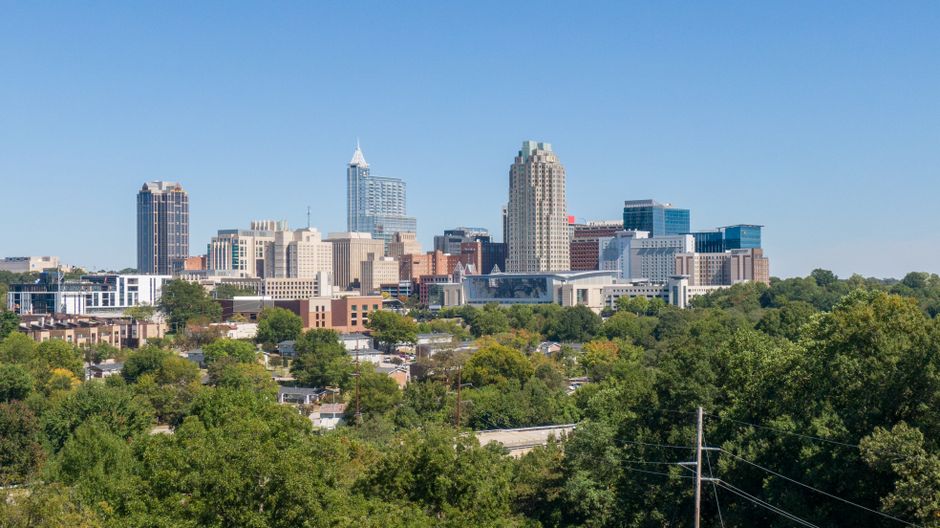
Research Triangle Proximity: If You're Working Tech or Remote
This isn't technically a Raleigh neighborhood—it's the tech corridor stretching toward Durham and Chapel Hill—but if you're working at SAS, IBM, or any of the venture-backed startups in the triangle, your neighborhood choice shifts. You might live in Raleigh but base yourself in the RTP area, which means proximity matters more than walkability.
Areas like West Raleigh, near I-40 corridors connecting to RTP, become functional home bases. You're trading neighborhood character for convenience—shorter commute, easier to connect to coworkers spreading across three cities. It's practical, not romantic. Plenty of people move here for tech jobs and realize after six months they want more neighborhood feel and are willing to drive twenty minutes instead. Others land in Raleigh specifically to avoid living *in* the RTP bubble, choosing downtown or East Raleigh and accepting the commute for the city experience.
Best for: Tech professionals working RTP-adjacent, people prioritizing commute efficiency over neighborhood feel, anyone willing to trade walkability for quiet residential space. Less relevant if you work downtown or remote.
The Real Talk: What Matters to You
Raleigh doesn't have the neighborhood prestige drama of bigger cities—there's no equivalent of Brooklyn or the Mission District where your zip code defines you socially. That's either freeing or boring depending on your perspective.
What actually matters: Do you need walkability, or are you fine driving? Do you want to be near work, or does commute time not bother you? Are you looking for established community or new energy? Are you staying two months or five years? Schools matter? Yard matter? Your answers to these questions matter more than reading neighborhood reviews. Spend a weeknight in an area—grab dinner, walk around, sit in a coffee shop. A neighborhood feels totally different at 8 p.m. on a Thursday versus a Saturday afternoon. Trust that instinct more than anything you read online.
Frequently Asked Questions
where should I stay in Raleigh if I work downtown
Downtown Raleigh itself, Wade Avenue Corridor, or Cameron Park. Downtown has walkable restaurants and no commute, Wade Avenue has the same walkability with slightly more character and lower prices, Cameron Park adds a residential feel but you'll drive more. All three put you within five minutes of downtown offices. East Raleigh is also driveable if you want more affordability and neighborhood texture.
best Raleigh neighborhoods for families with kids
Crabtree Valley and North Raleigh are the go-to for families because of school quality, space, and parks. Cameron Park is better if you want walkability and neighborhood character plus good schools. Wade Avenue works for younger families wanting urban access, but traffic noise and student-area unpredictability bother some people with young kids.
where is the safest neighborhood in Raleigh
Crabtree Valley, North Raleigh, and Cameron Park are established neighborhoods with consistent police presence and lower property-crime reports. Downtown Raleigh is fine during business hours and evening entertainment hours but quieter after midnight. East Raleigh is actively gentrifying and safer than it was five years ago, but walkability after dark is reasonable rather than completely secure. Talk to locals or your realtor about specific blocks rather than relying on neighborhood names—safety varies by street in many areas.
most walkable neighborhoods in Raleigh
Downtown Raleigh, Wade Avenue Corridor, Cameron Park, and East Raleigh are all genuinely walkable for groceries, restaurants, and daily errands. Downtown is most walkable for work and dining. Cameron Park and East Raleigh are most walkable for residential life. Crabtree Valley and North Raleigh require a car for most errands despite having parks and shops.
Which neighborhood catches your eye?