I landed in Kansas City expecting the usual barbecue gauntlet and left confused about why I hadn't come here earlier for anything but smoked meat. The restaurant scene doesn't get the hype it deserves outside the region — maybe because KC's too busy doing its own thing to shout about it.
I spent three weeks working through the places locals actually eat, not just the tourist rotation. Some of these I found by accident. Others came recommended by people who'd been living here long enough to have opinions. The honest thing: you'll eat very well here for less money than you'd spend in most major cities. The trade-off is that some spots have waits, and parking can be a minor adventure.
LC's Bar-B-Q: Massive Portions, Genuine Smoke
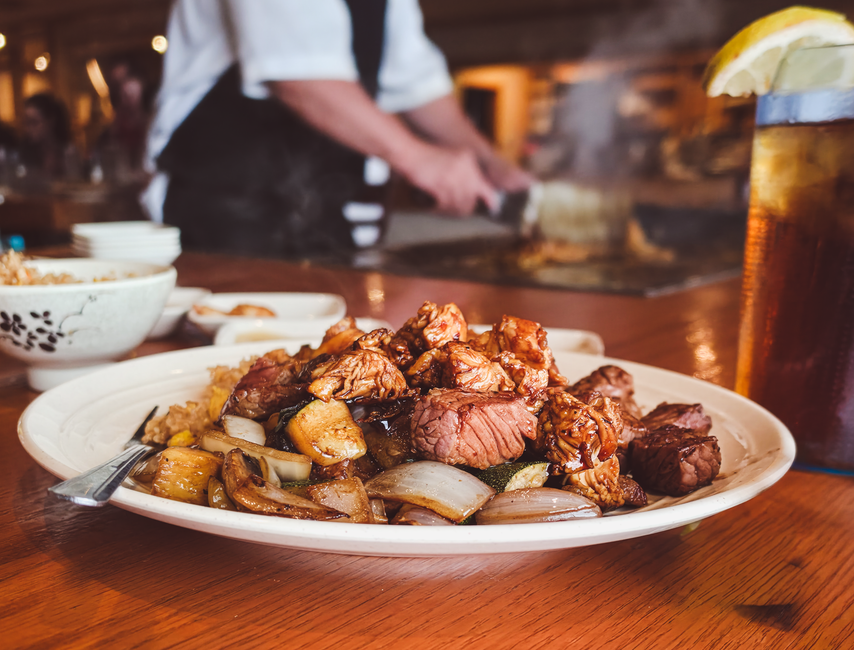
LC's sits on a quiet stretch north of the River Market, and the first time I walked in, I wasn't prepared for how straightforward it all felt. Order at the counter, grab a number, sit in a casual dining room that prioritizes eating over ambiance. The brisket is the move — thick-cut, rendered, genuinely tender without being mushy. Ribs have decent pull and real bark. Burnt ends (if they have them fresh) deserve their own trip.
Price-wise, you're looking at $12–18 for a solid plate with sides. The sauce is thin and tangy, not heavy. Coleslaw is basic but serviceable; burnt end beans are actually interesting. Fair warning: the place fills up during lunch, and the parking lot is tight. I went at 2:30 p.m. on a Wednesday and still waited ten minutes. On weekends, bring patience or come early.
The Rieger District: New American, Old Bones
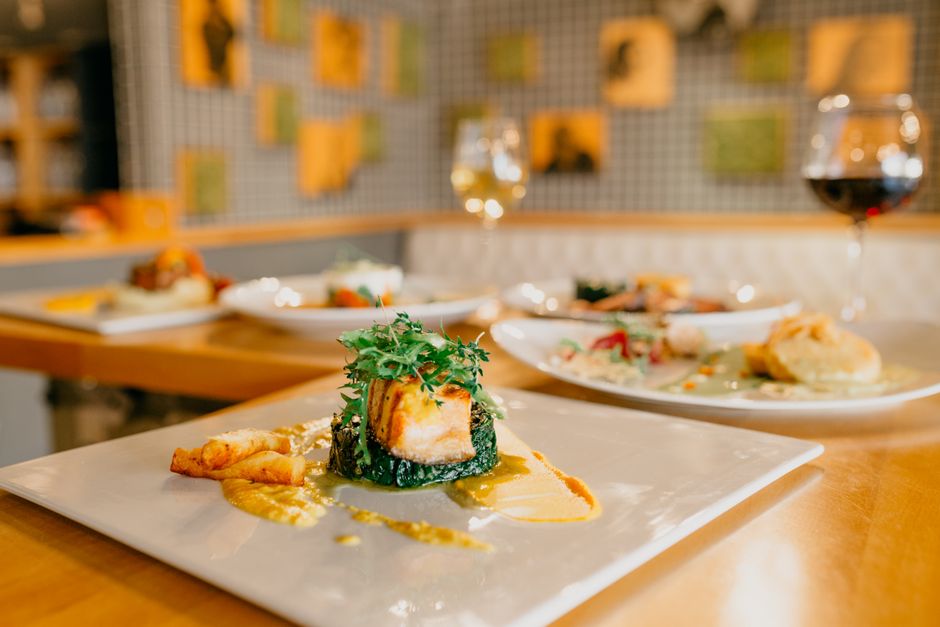
The Rieger restaurant itself occupies a restored 1912 building in the Crossroads district, and the care in the space is obvious — tall ceilings, actual wood, a bar that feels like it belonged there in 1930 and was never replaced. The menu moves seasonally and pulls from classical techniques without being pretentious about it. I had a roasted chicken that was the kind of simple that only works if you know what you're doing. Roasted vegetables with actual char. A cider gastrique that made sense.
Expect to spend $25–45 per entree, plus drinks. Service is attentive without hovering. The downside: it books early, especially weekends. A solo traveler can usually grab bar seating, which I actually preferred — quieter corner of the bar, decent sightline to the kitchen, and the bartender knew the menu. If you want a table, call or reserve online a few days ahead.
Bluestem: Tasting Menu Only, Worth the Commitment
Bluestem operates on a fixed tasting menu, which means you show up, sit down, and eat what Colby Garrelts is cooking that night. No substitutions, no a la carte. For some people this is a dealbreaker. For others, it's the entire point.
I was in the latter camp. The meal moved through eight courses, built with evident thought and precision — nothing fancy for fancy's sake, but clearly intentional. A wood-fired component to something simple. Broth that tasted like an idea. The space is intimate, maybe 30 seats, and the energy in the room is collaborative, not showy.
This runs about $95–125 per person depending on beverage pairing. It's a two-hour investment minimum. Parking is street-level in the Crossroads, which is fine but not free. Not a casual dinner, and that's the point. Book ahead, obviously.
Farina: Red Sauce, Loud, Totally Necessary
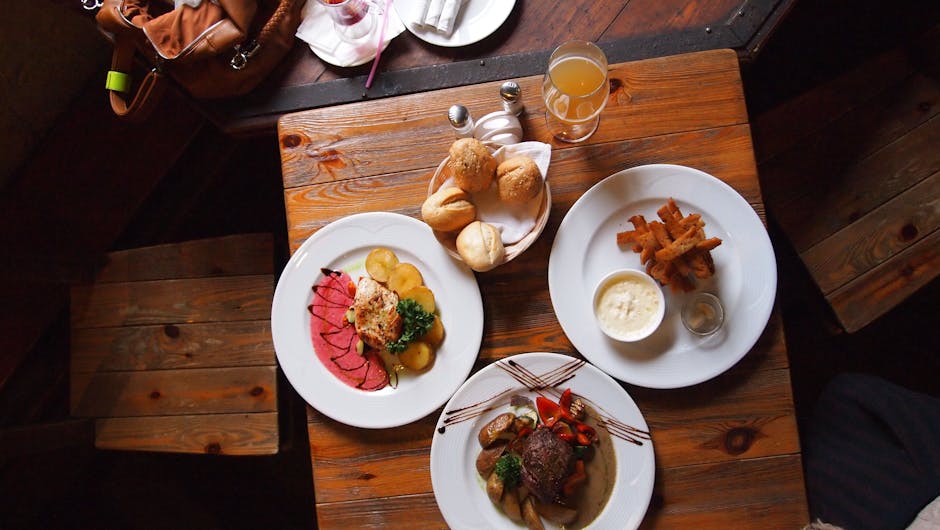
Farina is the kind of restaurant you walk into and immediately feel the volume. Open kitchen, bare tables, wine bottles stacked in the front, pasta hanging to dry where the light hits it. The room is warm and chaotic in a way that makes you feel like you've joined something already in progress.
Order the tagliatelle with meat ragù if they have it. Housemade pasta, proper sauce, enough time in the pot to know each other. Simple aglio e olio if you want to taste the oil. The wine list leans Italian but isn't dogmatic. Entrees run $16–28.
The honest part: it's loud. If you need a quiet dinner, this isn't it. Waiting time can stretch to 45 minutes even with a reservation, especially Fridays. Solo diners can usually move to the bar faster, which is where I ended up my first visit and honestly enjoyed more. The bartender poured generous wine pours and didn't mind someone eating and working at the counter.
Corvus Cafe: Breakfast and Lunch, Intentional and Crowded
Corvus is the kind of place that takes coffee and eggs seriously enough to warrant a solo traveler's entire morning. They roast their own beans. The pastries come from various local bakeries, rotated regularly. The space is tight and full of the kind of people who care about breakfast, which means it fills fast and stays loud.
Order an egg sandwich if they have it, or a smashed avocado toast situation that doesn't sound revolutionary until you taste it. Coffee is strong and poured with actual attention to temperature and cup size. Most plates land $8–14. This is a cash-friendly spot, though they take cards.
The downside is obvious: expect to wait 15–25 minutes during peak hours (8–10 a.m.). There's no reservation system. Parking on the surrounding streets is legal but competitive. Go at 7 a.m. or 2 p.m. if you value solitude. Go at 9 a.m. if you want to sit next to other people who care about their breakfast.
Char Bar: Charcoal Grilling, Whole Animals, Expensive and Direct
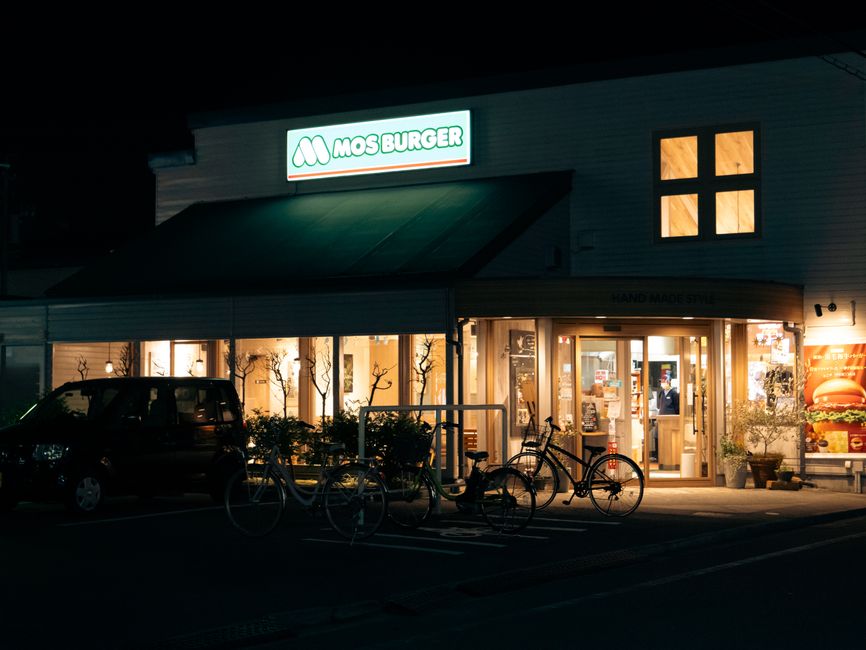
Char Bar operates on a simple premise: wood-fired grill, quality protein, minimal interference. The menu changes based on what showed up at the meat counter. When I visited, they were working with whole lamb and various fish. You order what they have, how they're cooking it, and you sit with the results.
A half bird with seasonal vegetables came to about $38. The char was real and intentional, not an accident. Salt made sense. They don't dress things up or apologize. Sides are actual sides, not Instagram components.
This is not a casual dinner — price-wise or philosophically. A meal for two runs easily $100+. The atmosphere is refined without being stuffy, but it's also clear this is for people who came to eat meat and drink wine, not to socialize performatively. Parking is valet or street. Reservations are necessary. It's worth the overhead once.
Frequently Asked Questions
what is the best restaurant in kansas city missouri
The best restaurant depends on your priority: Bluestem for high-end tasting menus, The Rieger for New American fine dining in a beautiful space, LC's or Char Bar for barbecue and grilled meat, and Corvus Cafe for exceptional breakfast. Most locals rotate through several rather than claiming one winner.
where to eat alone in kansas city mo
Bar seating is your friend at Farina, The Rieger, and Corvus Cafe, where solo diners typically get a seat faster than the dining room. LC's and Corvus are casual enough that sitting alone feels natural. Bluestem and Char Bar are nicer but work fine for solo travelers — just call ahead for bar seating if you want to avoid a table reservation.
how much does dinner cost in kansas city
Casual barbecue and breakfast spots run $8–18 per person. Mid-range restaurants like The Rieger cost $25–45 for entrees. Fine dining at Bluestem runs $95–125 for a tasting menu, and Char Bar $30–50+ per entree. Kansas City is generally less expensive than coastal cities at every price point.
do i need reservations for kansas city restaurants
Casual spots like LC's, Corvus, and Farina operate first-come, first-served or limited reservations; expect waits during peak hours. The Rieger, Bluestem, and Char Bar require advance reservations and book up several days ahead, especially weekends. Call or reserve online a week before if possible.
Which restaurant would you try first?