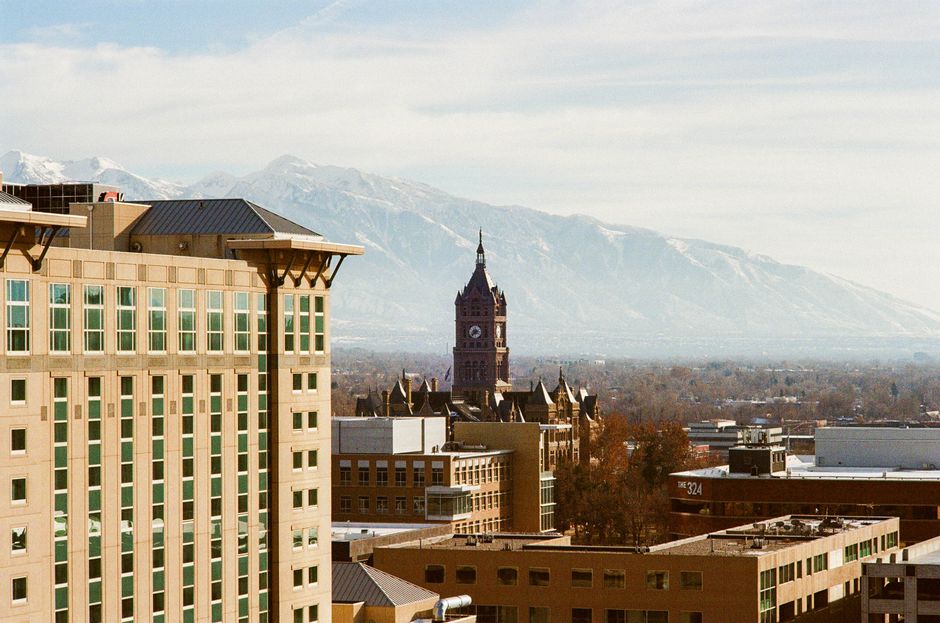
I rolled into Salt Lake City on a Thursday in October, the kind of afternoon where the mountains look like they're photoshopped. After three days wandering the neighborhoods, hitting some obvious stops and some less obvious ones, I started noticing a pattern: the places that show up first in every guidebook aren't always where the real texture of the city lives.
Salt Lake feels like a city caught between its reputation—tourist destination, skiing mecca, religious capital—and what it actually is day-to-day. That gap is where I want to focus here. Some of the big draws? Fine, but probably not worth the time investment. Meanwhile, there are corners of this place that locals have figured out but never made it onto the main circuit. That's what I'm after.
The Overrated Pull: Temple Square and Vicinity
Look, Temple Square is impressive from an architectural and historical standpoint. The LDS Temple itself is stunning if you get even a sideways view. But as an experience for a traveler with limited time? It doesn't hold up.
You'll spend your visit moving through carefully curated spaces with other tourists, listening to polished explanations, and feeling like you're walking a pre-set path. The visitor center is free and air-conditioned, which is nice on a hot day, but the whole place has the energy of a museum you're obligated to visit rather than want to revisit. The surrounding blocks—Main Street especially—have been tidied up for visitors. There's nothing wrong with that, exactly, but it doesn't reveal much about how Salt Lake actually works.
Unless you're specifically interested in LDS history and theology, you're better off spending an hour here, snapping photos, and moving on. Don't let it eat up your afternoon.
Better Move: The Cathedral Church of St. Mark
If you want to see genuinely beautiful, historically significant religious architecture without the crowd management, walk over to St. Mark's Cathedral on the edge of downtown. It's a 1910s Romanesque Revival church that feels like a place where people actually worship, not where tourists rotate through.
The interior is all heavy timber and stained glass, and it has a weight to it—the kind of space where you feel the accumulated presence of over a century of people showing up. No audio tour. No gift shop. Just a church that's open to the public because it's, well, a church. You can sit in the pews. The afternoon light hits those windows and does things that don't photograph well but stick with you. It's ten minutes from downtown. Go on a weekday morning if you can.
The Overrated Circuit: Antelope Island and Ski Resorts
Antelope Island is real enough—it's a legitimate state park with actual wildlife and decent views. But the drive is 45 minutes from downtown, and unless you're committed to a full half-day trip, you'll end up in the parking lot feeling like you've spent too much gas money to stand near some bison. The Great Salt Lake itself is striking as a concept, but from the island? It's a lot of salt flat. Winter skiers already know about Alta and Snowbird. They're excellent resorts if you're flying in for snow, but if you're visiting in any other season, they're two-hour drives for scenery you can get from closer vantage points.
Better to allocate your time toward the city itself, especially if you're not a dedicated skier.

Better Move: Ensign Peak and the Foothills
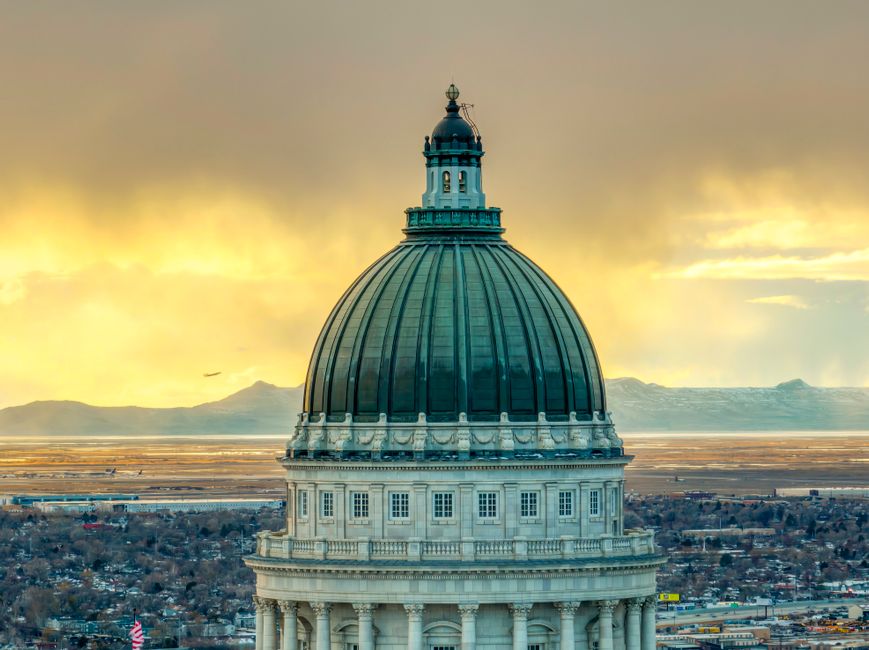
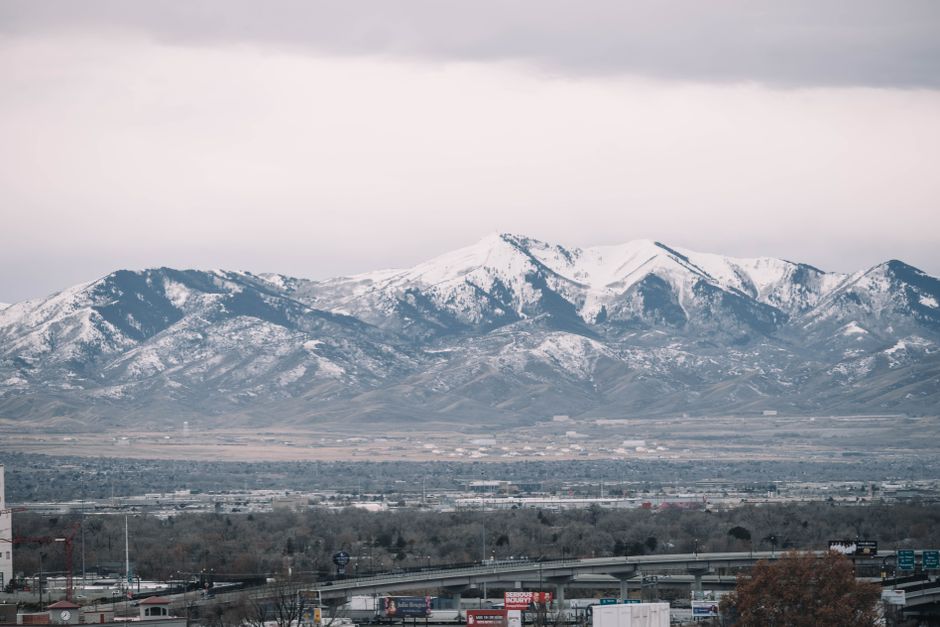
You want views and fresh air? Drive or bike up to Ensign Peak, which sits just north of downtown. The trail is short—maybe 30-40 minutes round trip—and it takes you above the city layer where you can actually see how Salt Lake sits in the valley. The mountains circle you. The temple and capitol building sit small below. It costs nothing and takes a morning.
Or rent a mountain bike and hit the trails in the Bonneville Shoreline or the foothills that ring the city. The Millcreek Canyon area has multiple trails of varying difficulty, and you'll see families, hikers, and the actual landscape that makes people move here. The traffic getting up there can be thick on weekends, but a weekday morning changes that equation entirely.
The Overrated Deep Dive: Salt Lake Central and Gallery Strolls
The downtown arts district gets pushed in every travel piece. "Gallery walks" and "emerging scene" language abound. Some galleries are worth the time—no argument. But a lot of the gallery space downtown is corporate-backed, carefully climate-controlled, and designed for people with real disposable income to feel cultured. The vibe can feel obligatory.
I spent two hours one evening doing the official gallery walk circuit. I saw some interesting work. Mostly I felt like I was window shopping at a very expensive mall. And parking downtown is its own headache.
Better Move: 15th & 15th, Sugarhouse, and Local Coffee Shops
The neighborhoods where actual artists and creative people have settled are more revealing. The 15th & 15th area (it's exactly what it sounds like—the intersection of South 15th East and East 15th South) has independent galleries, small cafes, and vintage shops that didn't exist because a tourism board decided the neighborhood was underutilized. Same with parts of Sugarhouse. These blocks feel lived-in.
If you want to understand what Salt Lake is building culturally right now, skip the official arts district and sit in a coffee shop—there are good ones scattered through neighborhoods, places where regulars are working on laptops and having actual conversations. White Pine Brewing, Publik Coffee, smaller spots in residential areas. This is where you overhear what the city is actually thinking about. It takes less time and costs less than a gallery crawl, and you actually get fed.
The Overrated Tourist Meal: Fancified Utah Cuisine
Fine dining in Salt Lake has gotten very self-conscious. There's a whole category of restaurants now trying to do "elevated Utah cuisine," which is code for local ingredients plated by chefs with MFA degrees. Some of it is good. Most of it is expensive and trying too hard. You pay thirty dollars for a green jello salad (yes, Utah has opinions about green jello) that was interesting to a food blogger three years ago.
The real food texture of the city—the casual spots where people actually eat—is both less expensive and more revealing.
Better Move: Lunch Spots and the Avenues Neighborhood
Get a pastrami sandwich from a corner deli. Eat lunch on the patio at a place doing competent, unpretentious food because that's just what they do. The Avenues neighborhood, which climbs the foothills northeast of downtown, has some of the city's oldest architecture and tree-lined streets that feel genuinely peaceful. There are local spots here—diners, small restaurants—that service the neighborhood rather than tourists. A Thai restaurant run by a family that's been here twenty years. A hole-in-the-wall ramen spot. This is where you understand how people actually live in the city.
Walk the Avenues early in the morning. Have breakfast. Wander. The energy is completely different from downtown, and you'll see Victorian homes and established trees that the newer parts of the city haven't caught up to yet. It's four blocks from the city center and feels like its own country.