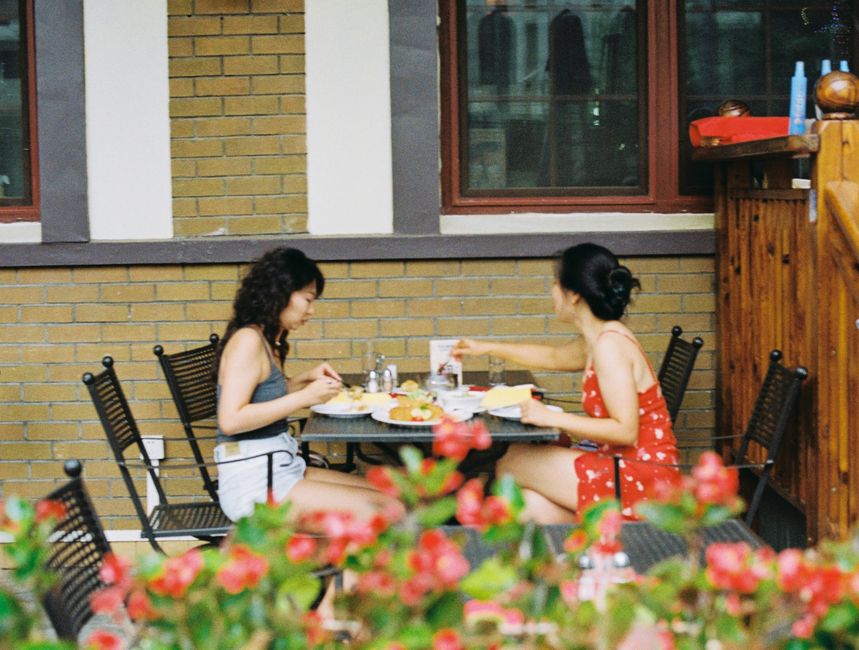
I rolled into Portland on a gray Tuesday afternoon with the kind of hunger that only comes after a six-hour drive. What I found over the next week was a city that takes food seriously without the pretension you'd expect. The restaurant scene here doesn't rely on hype—it relies on people actually knowing how to cook, source ingredients, and run a dining room.
I ate alone at most of these places because that's how I travel, and Portland's restaurant culture is genuinely solo-friendly. You won't feel out of place at a bar counter or two-top. I've picked restaurants across different budgets and neighborhoods, the kind of places where locals actually eat, not just Instagram accounts with hours. Here's what I learned.
Nong's Khao Man Gai for Breakfast on a Budget
Thai breakfast is not a concept I was expecting to understand so well in Portland, but Nong's proved me wrong. Khao man gai—poached chicken over rice with ginger broth—costs around $8 and tastes like someone's grandmother spent four hours getting it right, even though the process is deceptively simple. The kitchen's restraint is the whole point. You get rice, you get chicken, you get clarity.
The original location in southeast Portland is small, bright, and packed by 9 a.m. with a mix of construction workers, nurses getting off night shift, and people like me who didn't know this place existed until yesterday. If you're going solo, seat yourself at the counter. The staff move fast and don't make a fuss about single diners. Order a cup of Thai iced tea on the side—it's strong, sweet, and cuts through the richness of the broth perfectly.
The one real drawback: arrive before 8:30 if you want to avoid a line. This is not a leisurely breakfast spot. People know what they want and they want it fast. If you show up at 9:15, you're waiting 15 minutes, and the charm of the place is partly that everyone's in and out.
Bing Mi for Spicy, Serious Sichuan
Bing Mi sits on a stretch of Division Street that's become the restaurant corridor everyone talks about, but it doesn't feel like it's trying to be cool. It's just Sichuan food done right, which means spicy enough that you notice, numbing enough that your mouth goes a little numb, and ingredients that are clearly chosen, not just assembled.
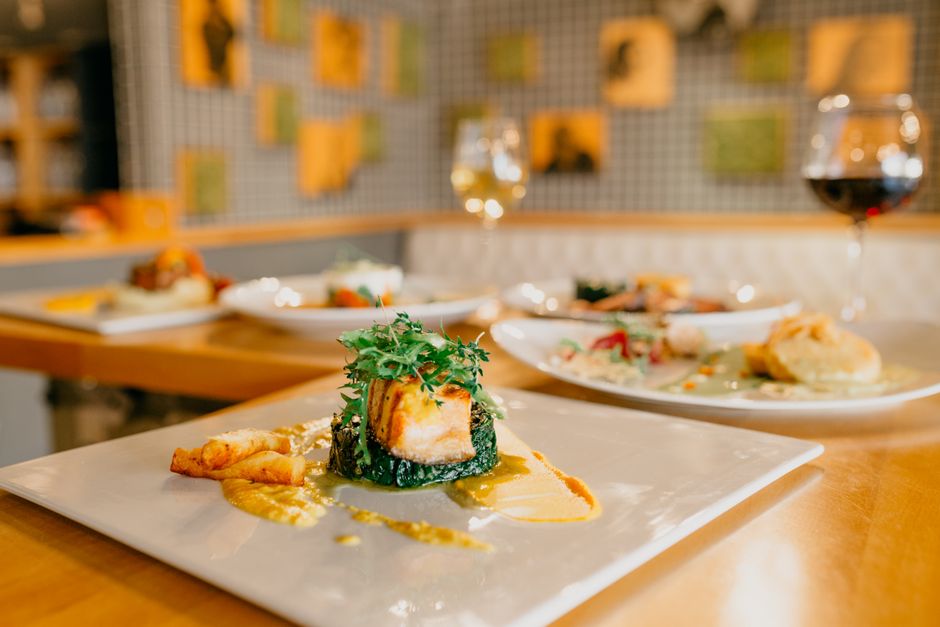
I ordered the mapo tofu ($12) and the fish with chili oil ($14). Both arrived fast. The tofu was custardy, the ground pork in the sauce had real texture, and the heat lingered in a way that made me drink water and come back for more bites. The fish was silky and draped in a chili oil that tasted like someone had actually toasted and fried the aromatics. This is not fusion. This is not reinterpreted. It's just good.
Dinner prices run $12–$18 for most entrees, so it's genuinely affordable. The dining room is loud and bright—the kind of place where nobody's pretending to have a quiet moment. Solo diners sit at tables meant for two or at the counter if they prefer. One limitation: the place fills up around 6:30 on weekends, and there's street parking nearby but not guaranteed during peak hours. Show up at 5:15 or after 8:30 if you want instant seating.
Bing Mi
I ordered the mapo tofu ($12) and the fish with chili oil ($14). Both arrived fast. The tofu was custardy, the ground pork in the sauce had real texture, and the heat lingered in a way that made me drink water and come back for more bites. The fish was silky and draped in a chili oil that tasted like someone had actually toasted and fried the aromatics. This is not fusion. This is not reinterpreted. It's just good.
Dinner prices run $12–$18 for most entrees, so it's genuinely affordable. The dining room is loud and bright—the kind of place where nobody's pretending to have a quiet moment. Solo diners sit at tables meant for two or at the counter if they prefer. One limitation: the place fills up around 6:30 on weekends, and there's street parking nearby but not guaranteed during peak hours. Show up at 5:15 or after 8:30 if you want instant seating.
Canard for Serious Brunch or Lunch
Canard is the kind of restaurant that makes you wonder why you don't eat more duck. Located in a converted warehouse on Southeast Hawthorne, it's run by people who care about eggs, bread, and meat sourcing in a way that goes beyond the usual farm-to-table checkbox language.
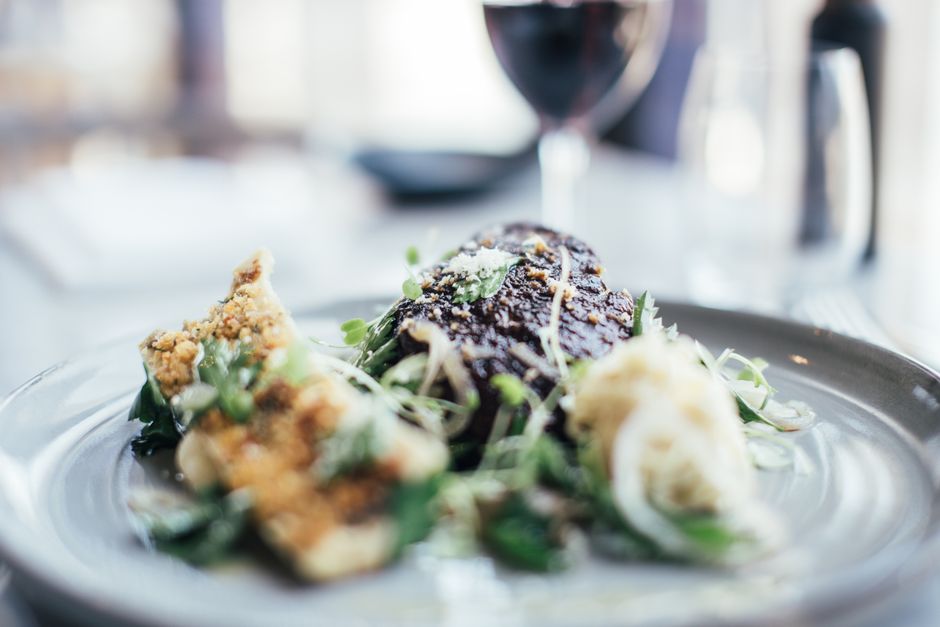
I had the duck confit hash ($16) at lunch on a Wednesday—crispy potatoes, a runny egg, and actual duck leg meat shredded into the thing. It's the kind of dish that feels simple until you taste how well-balanced it is. The toast is good toast. Not artisanal-word-on-the-menu toast, just bread that was bought from someone who knows what they're doing and then grilled with butter until it actually tastes like something.
Brunch runs $14–$22 for the main dishes, and you'll see people in business casual next to people in workout gear, which is a good sign. The one real consideration: this place is popular, and weekends can mean a 30-minute wait even if you get there at 10 a.m. The dining room is exposed brick and industrial—nice enough, but not quiet. If you want a peaceful meal, go on a weekday or call ahead to check the wait.
Atsuta for Japanese Noodles That Stick With You
Atsuta makes tsukemen—dipping noodles—and if you haven't had proper tsukemen, this is the place to understand what the fuss is about. You get a bowl of thick, chewy noodles on the side and a separate bowl of concentrated dipping broth, usually enriched with meat, seafood, or both. It's interactive, it's warm, and it feels like a small ceremony, which is probably why it's perfect for eating alone.
The broth is what matters. I ordered the specialty tsukemen ($15), which came with a broth made from pork bone, fish, and chicken—there's a depth there that tastes like someone simmered something for a long time and didn't cut corners. The noodles are springy, not mushy. You dunk, you slurp, you move on to the next bite. A small side of gyoza ($6) is essential.
The restaurant is small and sits in a shopping center that doesn't advertise itself. It's clean, bright, and genuinely welcoming to solo diners. Prices top out around $18 for most bowls. The main downside is limited hours—it closes by 9 p.m. most nights and doesn't open until 11:30 for lunch. Plan accordingly, or you'll show up at 9:45 and find the doors locked.
Langbaan for a Splurge Night
If you're willing to spend real money and you don't mind surrendering control, Langbaan is the kind of restaurant that Portland does better than almost any other city. There's no menu. You sit at a counter, and the chef decides what you eat. It's $120 per person, and you're there for two and a half hours, watching everything happen in front of you.
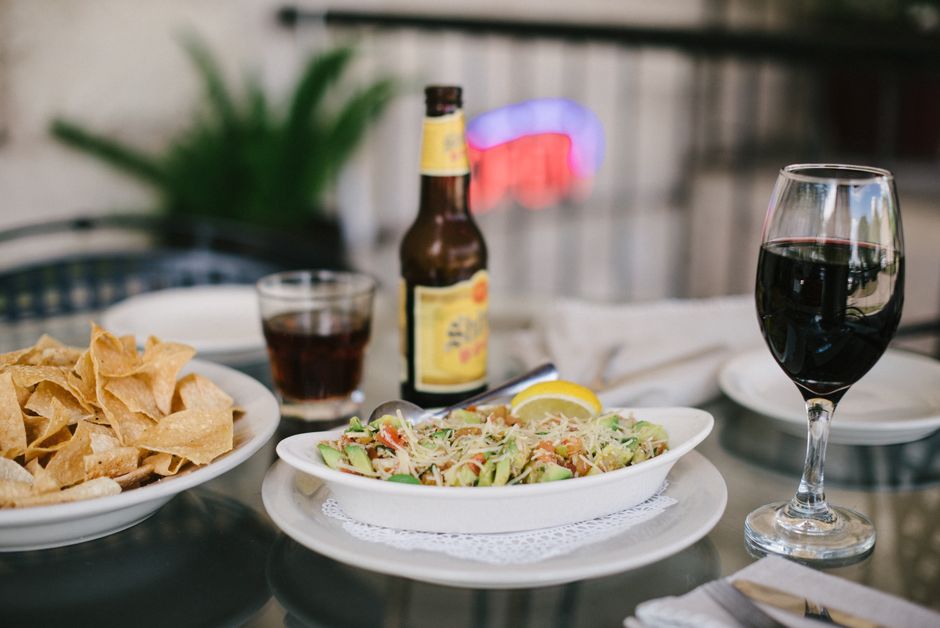
I went alone on a Thursday night, and the chef had no problem with that. You sit shoulder-to-shoulder with other diners and strangers become people you're sharing an experience with, whether you want to or not. Each course came with explanation—where something came from, what the technique was, what to notice about the flavor. It was the least pretentious expensive meal I've had in a long time. The ingredients were excellent, the technique was clean, and nobody was trying to convince me of something I couldn't taste.
Expect around 12–14 small courses, mostly vegetables, some proteins, finished with something sweet. The kitchen works within seasons, so what you eat depends on when you go. Reservations are required and book out weeks in advance. The only real friction is that $120 is not a casual price, and if you show up hungry for something heavy, you might leave still thinking about a burger. It's not comfort food. It's the opposite of comfort food. It's paying attention.
Namu for Korean at a Reasonable Price
Namu is on Southeast Division and does Korean food that feels like it's actually being cooked by someone who knows what Korean food tastes like, not someone who's guessing based on recipes. The dining room is warm and quiet enough that you can have a conversation without shouting.
I ordered the bibimbap ($13) at lunch, which is rice, vegetables, a fried egg, and gochujang—Korean red chili paste—that you mix together. It's not fancy. It's just exactly what it's supposed to be. The vegetables were fresh, the egg yolk broke into the rice properly, and the chili paste had actual heat and depth. A bowl of kimchi jjigae—kimchi stew—($11) came alongside, bubbling in a stone bowl, with tofu and pork. This is restorative food. This is what someone eats when they're cold or tired or both.
The prices are honest. Entrees run $11–$16. The restaurant is small and never feels frenetic. Solo diners fit naturally at the counter or a table. Parking on Division can be tight during peak hours, but there's a small lot and street spots usually open up a block away. Service is attentive without hovering.
A Final Word on Portland Eating
Portland's food scene works because it's been built by people who actually cook, not investors looking for the next trend. That doesn't mean every restaurant is perfect or that you'll love everything. It means that when something's crowded, it's crowded for a reason. When something's cheap, it's cheap because the owner is running a tight operation, not because the food is a loss leader.
Eating alone in Portland is easy because the restaurants are built around the idea that you might do exactly that. There's no resentment toward a solo diner. You sit at the counter, you order, you eat, nobody makes a fuss. That's worth something on the road.