
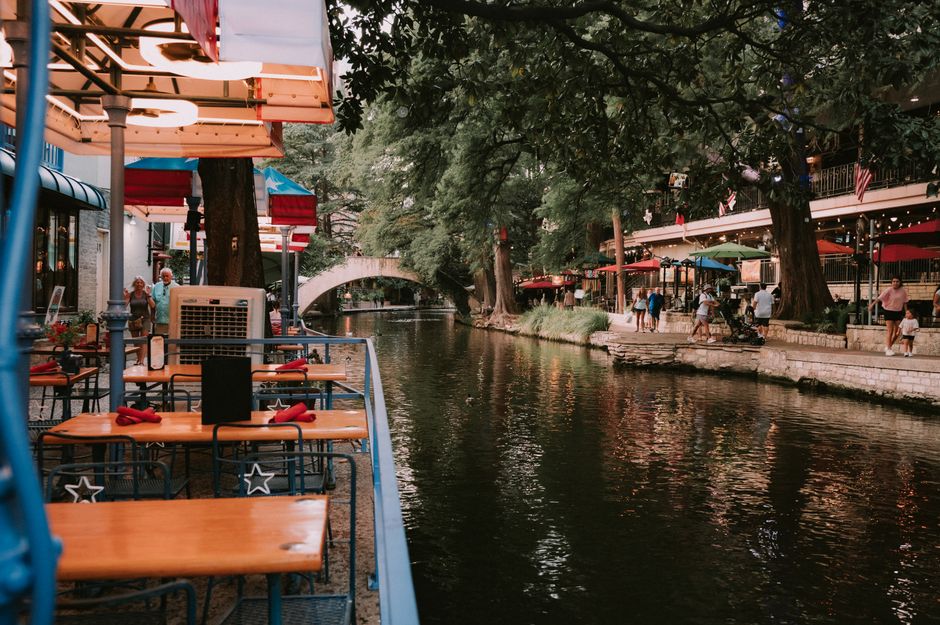
I rolled into San Antonio on a Friday afternoon with the kind of hunger that only comes after a long drive. The River Walk was predictably packed, but I wasn't here for the obvious plays. What struck me first was how seriously this city takes food—not in a trendy, Instagram-bait way, but in the deeper sense of generations-old recipes and family-run spots that know what they're doing.
The dining scene here splits pretty neatly. You've got the historic Tex-Mex foundations, the elevated spots that take those traditions seriously, and increasingly, a wave of younger chefs doing interesting work without abandoning what makes San Antonio's food identity distinct. I spent the better part of a week eating my way through different neighborhoods, mostly alone, which is when you really notice how a restaurant treats a single diner and whether the food speaks for itself.
Schilo's Deli — The Casual German Institution
Schilo's has been here since 1917, and you can feel it the moment you walk in. The light is old, the wood is worn, and nobody's pretending this is anything other than what it's always been: a deli counter and a few tables where people come for genuine German-style food at prices that feel pulled from another decade.
Order the reuben if you're hungry. The roast beef is substantial, the sauerkraut isn't an afterthought, and the rye bread holds up under the weight of it all. The split pea soup is good on its own, but gets better if you go in the cooler months. A full meal runs you $12–$16, maybe a couple dollars more if you add a beer.
The vibe is distinctly no-frills. Fluorescent lights, Formica tables, and conversations overlapping from every direction. It's the kind of place where solo diners vanish into the rhythm of lunch rush without feeling conspicuous. The honest catch: weekday lunches between 11:30 and 1 p.m. pull crowds fast, and there's no reservation system. Go early or late, or expect a wait of 15–20 minutes on a typical workday.
La Cour — French Bistro Cooking in Southtown
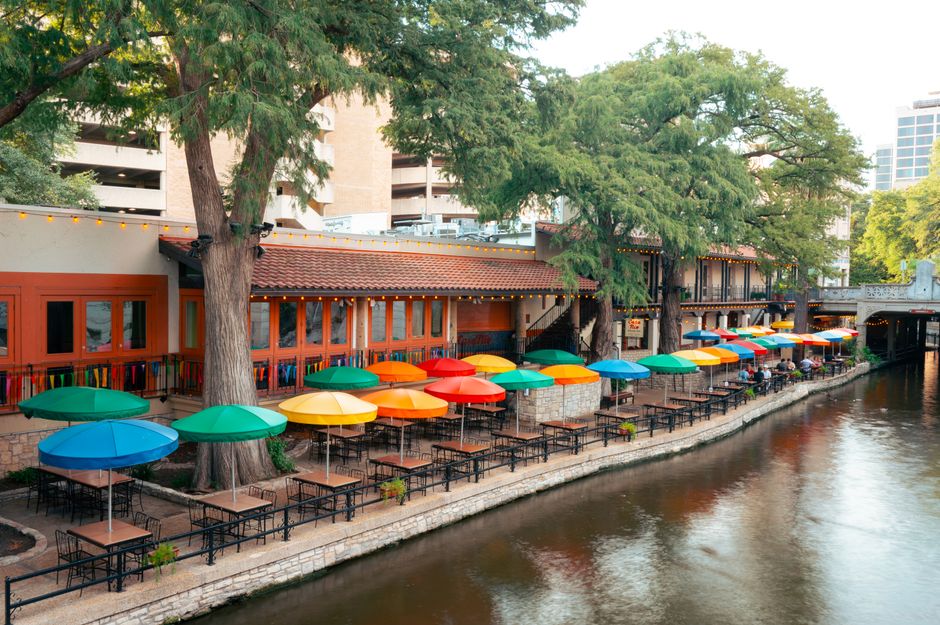
La Cour sits in the Southtown arts district, a neighborhood that's undergone serious renovation in the past decade without losing its rougher edges entirely. The restaurant itself is intimate—exposed brick, dim overhead lighting, tables set close enough that you're aware of other diners without being crowded.
This is fine dining by San Antonio standards, but it doesn't perform its sophistication. The menu shifts with seasons, but expect things like duck confit, housemade pâté, and fish dishes that get real attention. A three-course dinner typically lands around $60–$75 before drinks. There's a bar area if you want to sit solo and watch the kitchen, which I recommend. The wine list skews European and reasonably priced.
The food is genuinely good—not showy, just executed with care. Order whatever the server recommends as the evening special. Solo diners get treated with respect here, and the pace of service feels calibrated to people actually eating, not rushing. The trade-off: it's quieter than some places, which means if you're looking for background noise or a lively scene, this is more contemplative. Parking on the street in Southtown can be tight on weekends, though the restaurant has a lot.
Acenar — Upscale Tex-Mex That Doesn't Apologize
Acenar is the kind of restaurant that takes Tex-Mex seriously without turning it into irony or molecular gastronomy theater. It's on the River Walk, which usually means tourist traps, but this place has maintained a real reputation for actual cooking over decades.
Get the chile relleno if they have it. The mole takes time—really takes time—and you can taste it. The house-made enchiladas verdes are solid. Carne guisada if it's a braise-weather day. Expect to spend $35–$55 for a full meal with a margarita, which puts it in the upper-casual to lower-fine-dining range. The margaritas are worth ordering; they're not tequila-forward in a way that feels gimmicky.
The room is styled upscale, with decent lighting and space between tables. River Walk restaurants live or die on managing the constant flow of tourists, and this one does it better than most. The service is attentive without hovering. Honest downside: it's still the River Walk, so expect noise and a percentage of your dinner companions to be tourists mid-conversation about hotel recommendations. Also, the bar area during evening hours fills up fast, so if you want a quick solo meal at the counter, timing matters.
The Granary 'Cue & Brew — Casual Barbecue Done Right
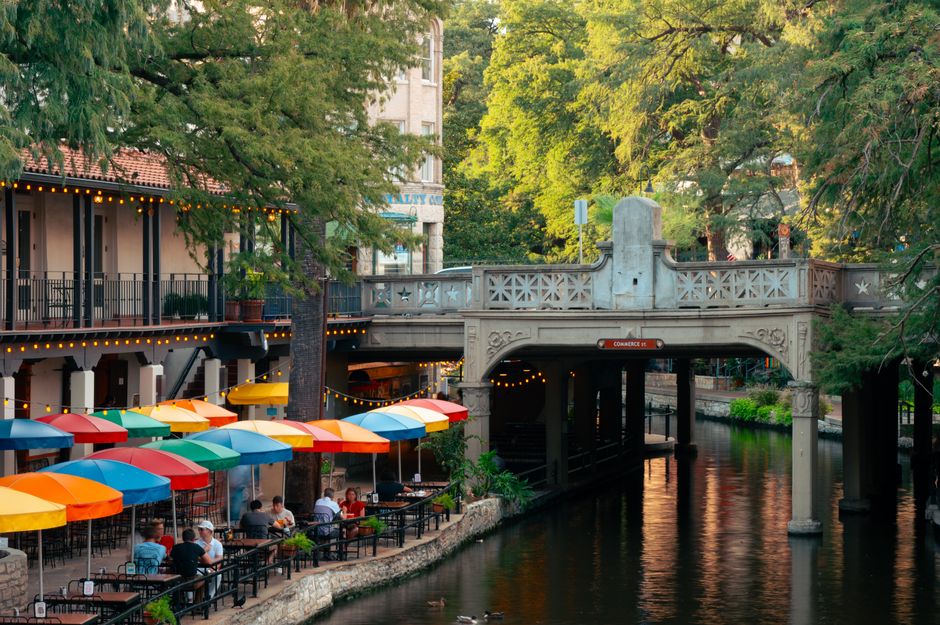
There are barbecue places all over Texas, and San Antonio has its fair share. The Granary operates out of a real old granary building in Southtown and doesn't take itself too seriously, but takes the meat very seriously.
Brisket and ribs are the core. The brisket has a proper smoke ring, pulls cleanly, and the rub sits right. Sides are what you'd expect—beans with actual depth, slaw that isn't just vinegar and cabbage, cornbread that doesn't taste factory-made. A full plate with sides runs $15–$22, and you can eat very well for under $20. The beer list is casual, mostly local stuff.
The space is intentionally rustic—picnic tables, high ceilings, industrial lighting. Solo diners fit in perfectly here; the vibe is relaxed communal eating. The counter service is quick and straightforward. If you're eating alone, sitting at a high table facing the pits is entirely normal and honestly the best seat in the house.
The catch is the same as most good barbecue: they run out of certain items, particularly brisket, if you show up late in the day (after 3 p.m.). This isn't mismanagement; it's actually a sign you're in the right place. Go earlier in the week if you want maximum options, or go late on a Saturday and take what's left with good humor.
Bliss Pastry Cafe — Bakery Breakfast Without the Pretense
Bliss is in a small strip on McCullough, not on a major tourist drag, which is exactly why it's worth finding. The pastry cases are full of real croissants, Danish, savory meat pies, and desserts that aren't designed to be photographed.
Order a fresh croissant and coffee if you're keeping it simple. The breakfast sandwiches are legitimate—a real egg, real cheese, real meat on a real pastry. If you time it right and they have the raspberry Danish, do that. A breakfast run costs $6–$10, and the coffee is solid.
The counter is small, maybe a dozen seats, mostly high tables by the window. The crowd is a mix of people who live nearby and folks who've discovered the spot through word of mouth. Service is straightforward and fast. The pace here suits solo breakfast travelers perfectly—you eat, you leave, you move on with your morning.
The downside is they operate on limited hours and close early on some days. The window for a full breakfast experience is roughly 6:30 a.m. to 1 p.m., which is fine if you're an early riser but worth planning around if you're not.
Sushi Zushi — Japanese Cooking for the Adventurous
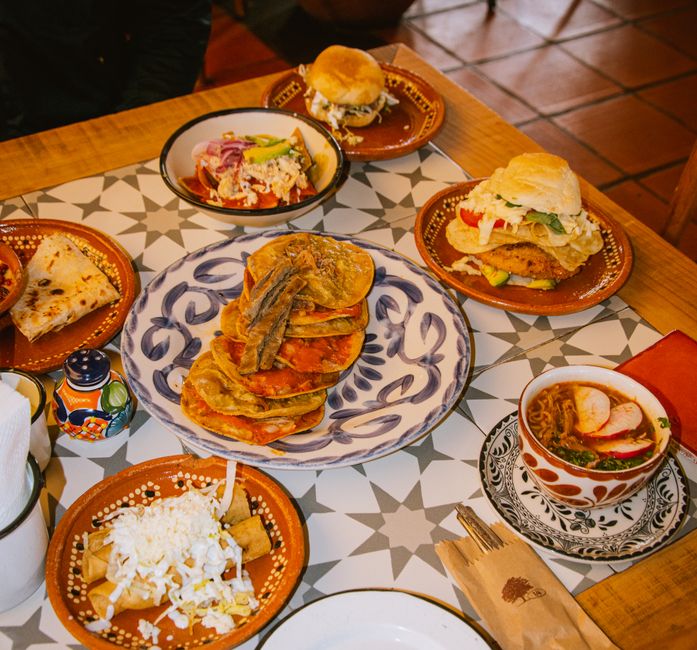
Sushi Zushi operates out of a plain storefront in a neighborhood east of downtown that's not on most tourist itineraries. The sushi chef does real work here—fish sourcing isn't casual, and the rice temperature matters.
Omakase is the move if you want the full experience, and it runs around $60–$90 depending on what's available. The à la carte rolls are solid, and you can eat for half that if you prefer. The nigiri is where the quality shows; they're not oversized, the fish is clean and fresh, and the rice isn't gummy. The chef is particular about what he'll roll, which is a good sign.
The space is intentionally plain—minimal decor, focus on the counter and the fish. Solo diners belong here; the sushi counter is made for this. You watch the chef work, you eat, you move. There's a bar with beer and sake, but this isn't a party spot; it's a food spot.
The honest thing: this isn't casual San Antonio Mexican food, so it's easy to miss if you're not looking for it. The neighborhood isn't walking-distance to much else, so go with a plan. Reservations are smart, especially for dinner. If you walk in at 6:15 p.m. on a Friday, you might wait.
Eating Solo in San Antonio — What Actually Works
Solo eating in San Antonio is genuinely easy because the food culture here is personal—it's about the meal, not the social scene. The counter at Schilo's, the bar at a place like Acenar, the sushi counter at Zushi, the picnic tables at the Granary—these all work for one person without feeling lonely or out of place.
The River Walk is worth one meal if you're curious, but venture into Southtown, McCullough, and the neighborhoods east of downtown for the real thing. Parking is rarely as bad as it seems on first glance. The restaurant scene isn't trying to reinvent itself; it's just cooking what it knows with real ingredients. That's worth traveling for.


