I rolled into Savannah on a Thursday afternoon with no reservations and a working theory that a city this old and this beautiful would know how to feed people right. Turns out it does—maybe too well. The restaurant scene here punches above its weight, with everything from James Beard-nominated spots to old-school seafood houses where they still remember how to cook shrimp. What surprised me most wasn't the quality, though. It was how willing the city is to feed a solo traveler without making them feel like a problem to solve.
Taverns and new-wave restaurants share the same historic squares. You can spend thirty dollars on dinner or three hundred. The trick, if you're traveling alone, is knowing where you'll actually feel comfortable sitting at a bar or grabbing a single table without the awkward dance of being seated like you're missing someone.
The Sentient Bean for Coffee and Breakfast
If you're staying anywhere near Forsyth Park—and let's be honest, you probably are—The Sentient Bean is where the neighborhood actually eats before nine in the morning. The coffee is specialty-grade without the Portland attitude, and they roast in-house, which means it tastes different than whatever you'll find at the chains. The pastries rotate, but the croissants are nearly always worth the short wait.
I ordered their avocado toast one morning, which arrived on proper bread with a soft-boiled egg and everything that looked effortless but probably wasn't. Most entrees run $10–16. The real move, though, is sitting at the long communal table if you want company, or claiming one of the small two-tops by the window if you're reading or working. The crowd shifts from solo laptop people to couples to families as the morning progresses, so the vibe stays loose either way.
Downside: It gets crowded between 8 and 9 a.m. if you're competing with the work-from-coffee crowd. Go early or after the rush if you want actual space to sit.
The Olde Pink House for a Splurge
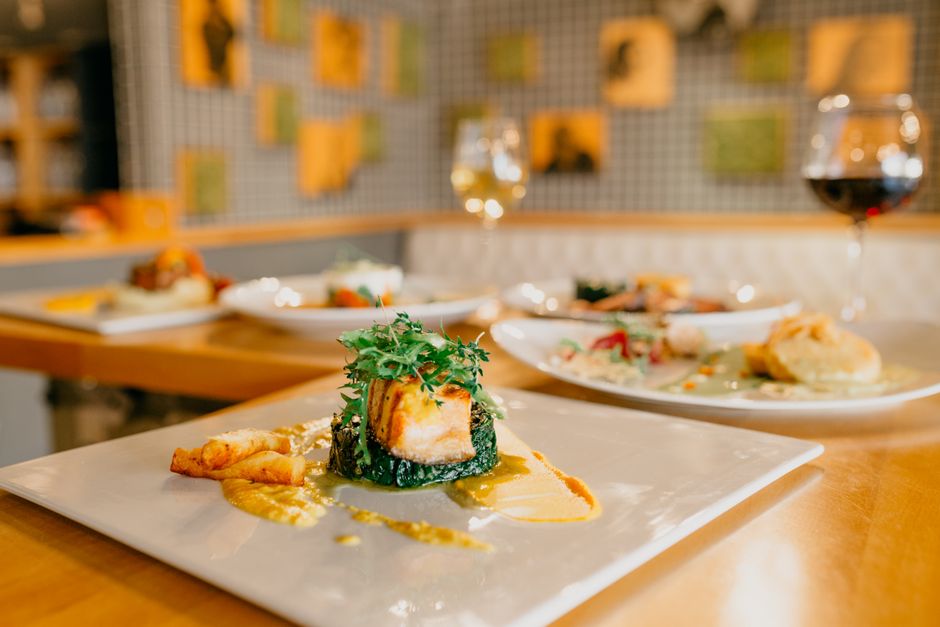
The Olde Pink House is the restaurant you're supposed to eat at in Savannah if you're here on business or celebrating something. It lives in a 1771 mansion on Abercorn Street, and the dining room looks exactly like you'd imagine a fancy place in a historic Southern city should look. But here's what matters: the kitchen actually cares, and the food is sophisticated without being show-offy about it.
I had the she-crab soup (a Low Country standard that tastes like butter and the ocean in the best way) and a piece of local fish that arrived with seasonal vegetables prepared in a way that made you think about what you were eating instead of just plowing through. The wine list is extensive, and the sommelier steers you honestly rather than toward the expensive bottles. Entrées run $32–48, and wine by the glass is $10–15, so figure $70–90 for a solo meal if you order carefully. The service is impeccable without being stiff—one of those places where the staff somehow notices when your water is getting low without hovering.
The downside is real: it's formal enough that you'll feel out of place in gym clothes, and there's a certain type of business diner who treats the place like proof of their own importance. Don't let that stop you. Make a reservation, dress like you mean it, and eat alone at a proper table like you belong there—because you do.
Green Truck Pub for Real Neighborhood Food
Green Truck started as an actual food truck and moved into a tiny brick space that somehow fits both a kitchen and a bar. This is where Savannah eats when it's not thinking about food as a tourist activity. The menu changes based on what's available and what the kitchen feels like cooking, which sounds precious until you realize it just means everything is good and nothing sits around waiting to be plated.
I ordered the burger, which came stacked with good beef and house-made pickles, served on a bun that didn't disintegrate. The fries were perfect—crispy outside, fluffy inside, the kind of thing restaurants somehow ruin constantly. There's a solid beer list, mostly local Georgia breweries. Most meals run $12–18. The bar is genuinely friendly; solo diners end up talking to the bartender or occasionally to neighbors who aren't tourists performing local experiences for Instagram.
The catch: it's small. On a Friday night, you'll wait 20–30 minutes for a table if you don't arrive early. There's no reservation system, so it's first-come. Show up around 5 p.m. or after 8:30 p.m. if you want to eat without the queue.
Alligator Soul for Cajun and Low Country Standards
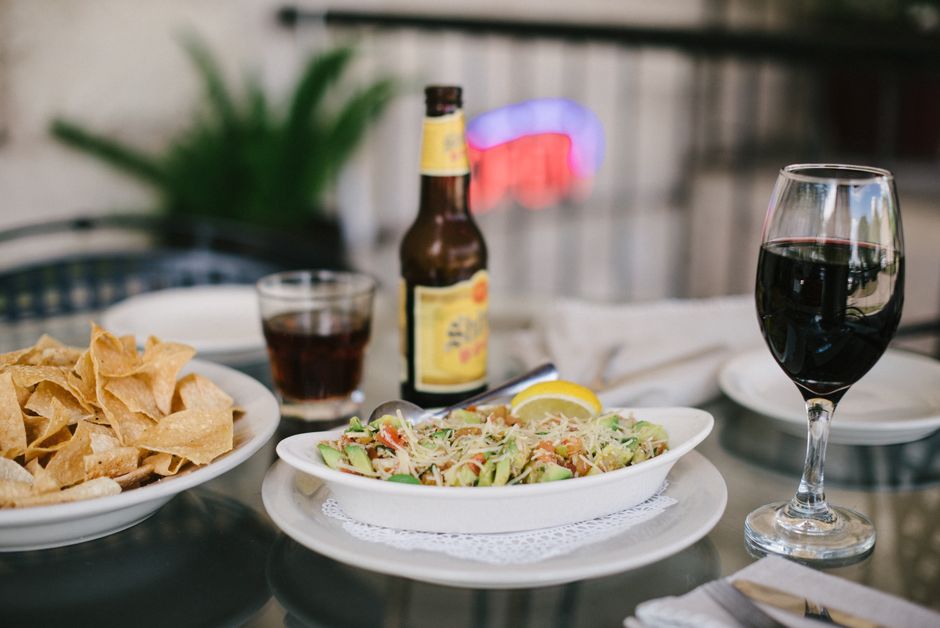
Alligator Soul is in an old carriage house, which sounds like a gimmick, but the space is actually intimate and genuinely charming without the forced-authentic feeling some places lean on. The food is Cajun and Low Country—which in Savannah often means shrimp and grits, crawfish, andouille sausage, and ingredients that make sense in a place this close to the water.
I ordered the crawfish étouffée, which arrived in a shallow bowl over rice with real depth of flavor—the kind of dish you can taste the time in. The shrimp and grits are the thing most people order, and I watched two tables to my left absolutely wreck them. Expect to spend $18–26 on an entrée. The cocktails are strong and the bartender knows what they're doing with bourbon and rye. The room has enough space that a solo diner doesn't feel conspicuous, and the wood and brick absorb sound in a way that makes it feel less chaotic than it actually is.
Trade-off: it's a popular spot with tourists, so the crowd can feel manufactured on certain nights. You'll overhear the same "How's the shrimp and grits?" conversation multiple times if you're unlucky. That said, the kitchen doesn't dial it down for popularity, which is what matters.
Circa 1875 for Upscale Seafood Without the Pretension
Circa 1875 sits on the east side of River Street in a building that dates to (you guessed it) 1875. The room is elegant—high ceilings, good lighting, the kind of space that feels dressy but not stuffy. The menu is seafood-forward, with oysters, fish, and the occasional meat dish that shows serious technique.
I ate raw oysters here, which is always a test of an oyster bar's sourcing and care. These were proper: cold, briny, with the kind of sweetness that tells you they came from clean water. The kitchen does a whole roasted fish with compound butter and seasonal vegetables if you want to feel like you're eating something special. The wine list tilts toward white wines that make sense with seafood, and the sommelier can actually explain why something is worth drinking. A solo diner can sit at the oyster bar and watch the work, or claim a table. Entrées run $28–42, and oysters are $2–3 each.
The honest note: it's become more popular in the last couple of years, so expect at least a short wait if you show up around 7 p.m. on weekends. Weekday lunch is a better bet if you want to eat solo without feeling like you're fitting into someone else's evening.
Stu's Cafe for Lunch and Sandwiches That Actually Matter
Stu's is a small sandwich shop on Waters Avenue that exists in the strange middle place between dive and actually-committed-to-quality. The owners clearly care about bread—they work with local bakeries—and they layer the sandwiches in a way that suggests someone thought about proportions and texture.
The Italian is the thing most people order: cured meats, fresh mozzarella, pickled vegetables, olive oil and vinegar that don't apologize for existing. It costs about $11, which is reasonable for something that size. You can eat here sitting at one of three small tables, standing, or taking it with you. The crowd is very much neighborhood—construction workers, office people on their lunch hour, people who actually live in Savannah rather than visiting it. Solo travelers are completely unremarkable, which is exactly the point.
There's no real downside to Stu's except the hours: it closes at 4 p.m. on weekdays and doesn't open on Sundays. So if you're planning a lazy morning and want lunch at 2 p.m., you're golden. If you're looking for dinner, you need a different plan. And the seating really is minimal, so come when you don't mind eating fast or taking it elsewhere.
A Few General Notes for Solo Dining in Savannah
The restaurant scene here skews toward hospitality in the genuine sense. You'll find places that actually want you to eat there, whether you're alone or with a crowd. The best strategy is to eat lunch at spots that get crowded for dinner (you'll move faster, the energy is different), make dinner reservations at fancier places where a single diner reads as intentional rather than lonely, and embrace the bar seating at restaurants with open kitchens or strong bar programs.
Parking is the perennial problem in the historic district. Most restaurants don't have dedicated lots, so you're hunting for street parking or paying to park in a garage. This shouldn't stop you from eating anywhere, but factor 10–15 minutes of hunting time into your plans. Also: walking distance from your hotel matters here more than it does in sprawling cities. Savannah is compact enough that you can get almost anywhere on foot if your hotel is anywhere near the historic squares.
One last thing: make reservations when you can. Most of the good places take them, and a solo diner with a reservation gets seated better and faster than a walk-in, even at casual spots. OpenTable and Resy both work here, though some places still do old-fashioned phone calls. It takes five minutes and saves you standing around waiting.