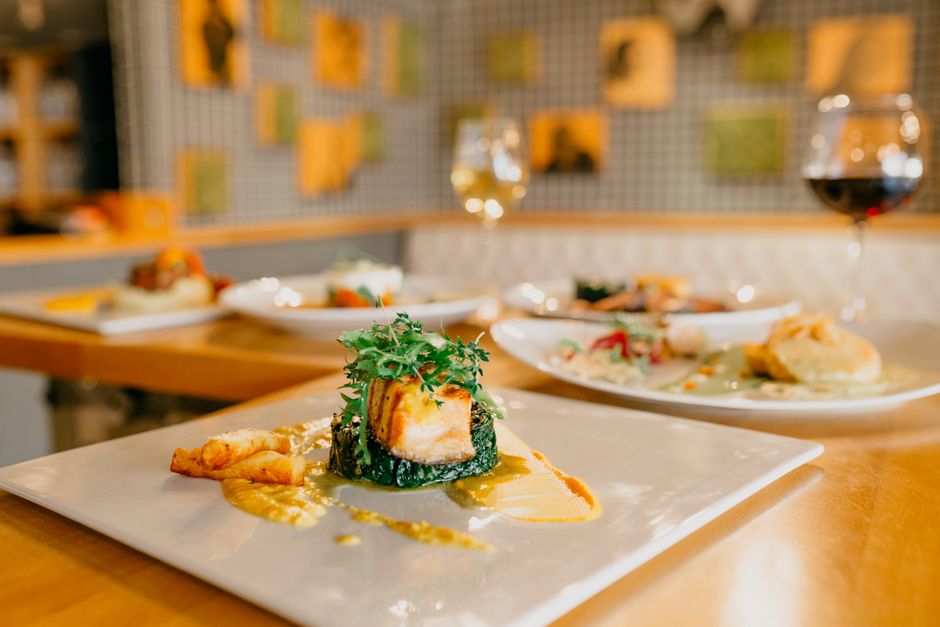
I landed in Tampa on a Wednesday afternoon with no dinner plans and a working theory that the city's food scene doesn't get enough credit. Everyone talks about Miami or New Orleans, but Tampa sits at this intersection of Cuban heritage, fresh Gulf seafood, and a growing crop of chefs who actually know what they're doing. Over the next few days I ate my way through Ybor City, Hyde Park, and some corners of the downtown waterfront. What I found: solid restaurants at every price point, less pretension than you'd expect, and several dishes worth remembering.
The city rewards wandering. You can drop forty bucks on rice and beans and fish that tastes like the catch came in this morning, or spend triple that on a steak you'll think about for weeks. Parking is rarely pleasant—most places have lots or garages, but they fill—and wait times can get long on weekends without a reservation. That said, Tampa's dining crowd tends to be friendly and unpretentious, which makes eating alone feel easier than it might elsewhere.
Ulele: Riverside Seafood and Local Sourcing
Ulele sits on the Hillsborough River in a restored historic building, and the location alone justifies a visit. But the food is the actual draw. Chef Jeremy Frink runs a kitchen focused on Gulf seafood and vegetables from Florida producers, and it shows in every plate. I ordered the grouper—it came with seasonal vegetables and a sauce that didn't try to hide what the fish already tasted like. The pork belly starter was rich enough to share, or to eat alone while staring out at the water.
Expect to spend thirty-five to fifty-five dollars per entree. The bar program is serious, and the cocktails are the kind that don't rely on three kinds of liqueur. Lunch is cheaper and less crowded, though the dinner atmosphere—soft lighting, local art on the walls—is worth paying for. The real downside: reservations are almost essential, especially Thursday through Saturday. Walk-ins wait, sometimes an hour or more. Call ahead.
Datz: Where Sandwiches Are an Event
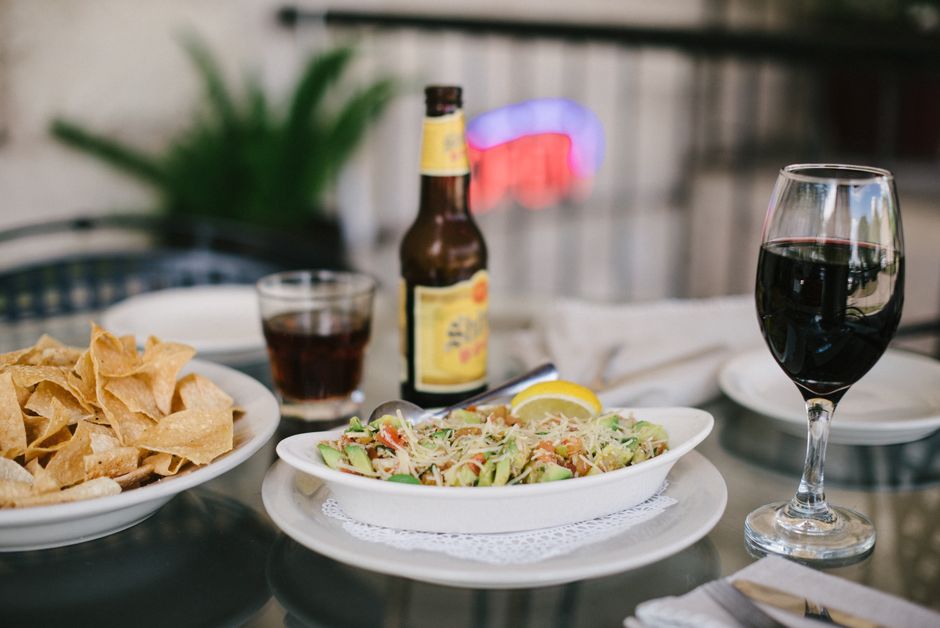
Datz is one of those places that takes its ingredient sourcing seriously enough that you notice it the moment you bite in. The menu rotates based on what's available, but the sandwiches are built on house-made everything: bread, pickles, sauces. I had a muffuletta that would have been equally at home in New Orleans, and it was stuffed full enough to constitute two meals. The roast beef is slow-cooked in-house and falls apart on your tongue.
You're looking at twelve to eighteen dollars for a sandwich, plus sides. The space is tight and casual—bright, noisy, friendly. They take walk-ins. The crowd trends young, the service is efficient, and the people behind the counter actually care about what they're slinging. One real logistics note: it's in Hyde Park, a neighborhood without terrible parking but not blessed with it either. Arrive early if you want a table without waiting, or expect to stand and eat at the bar.
Carne Chophouse: High-End Steak Done Right
If you want to spend serious money on a steak in Tampa, Carne delivers. The dining room is upscale without being stuffy—leather booths, tablecloths, a wine list that stretches for pages but doesn't feel designed to intimidate. I ordered a Wagyu strip that came with bone marrow and seasonal sides that weren't an afterthought. The ribeye is equally solid. Portions are substantial enough that you don't leave hungry, which shouldn't be a given at this price point but often is.
Expect to spend eighty to one-twenty dollars on an entree before sides and drinks. The service is attentive but knows when to back off. They handle solo diners well—you won't feel rushed, and the bar seating option means you don't have to occupy a full booth alone unless you want to. The downside is straightforward: it's expensive, and the room gets loud during peak hours. Noise carries in here. Reservations are strongly recommended, and they do ask for them.

Ybor City's Spanish and Latin Traditions
Ybor City itself is a neighborhood worth eating through—the historic district has a gravity that pulls you into older, established spots. Bricks of Ybor sits on a corner and serves Spanish and Portuguese food in a casual, unpretentious room. The Spanish seafood paella is substantial and flavorful, the kind of dish that justifies a carb-heavy meal. Their pork dishes lean toward that Portuguese tradition—slow-cooked, tender, well-seasoned.
Entrees run eighteen to thirty dollars. The space is tight, tables are close together, and the room can get loud and social, which is part of the charm if you like that, and a downside if you prefer quiet. They take reservations but also move walk-ins through efficiently. The bartenders know what they're doing with Spanish wines. If you're in Ybor, it's worth the stop.
Donatella: Italian Without the Fuss
Donatella is one of those spots that doesn't announce itself loudly but gets crowded anyway. Italian cuisine, but the kitchen isn't trying to impress you with technique—it's trying to feed you well. The handmade pasta changes with the season. When I was there, the tagliatelle came with a simple meat ragù that had probably been cooking for hours. The risotto rotates, and on my visit it was mushroom, creamy without being heavy.
Entrees land in the twenty-five to forty range. The wine list leans Italian and isn't expensive. The dining room is warm and busy, the kind of place where you feel like you're at a neighborhood restaurant even if you're a stranger. It's loud—conversation bounces off the walls—but it's a pleasant kind of loud. Parking is nearby. Service can slow during peak times, which is the only real downside; they're not rushing you, but they're not rushing orders either. No reservations, so expect a short wait on weekends.
Pepo: Casual Seafood and Market-Fresh Cooking
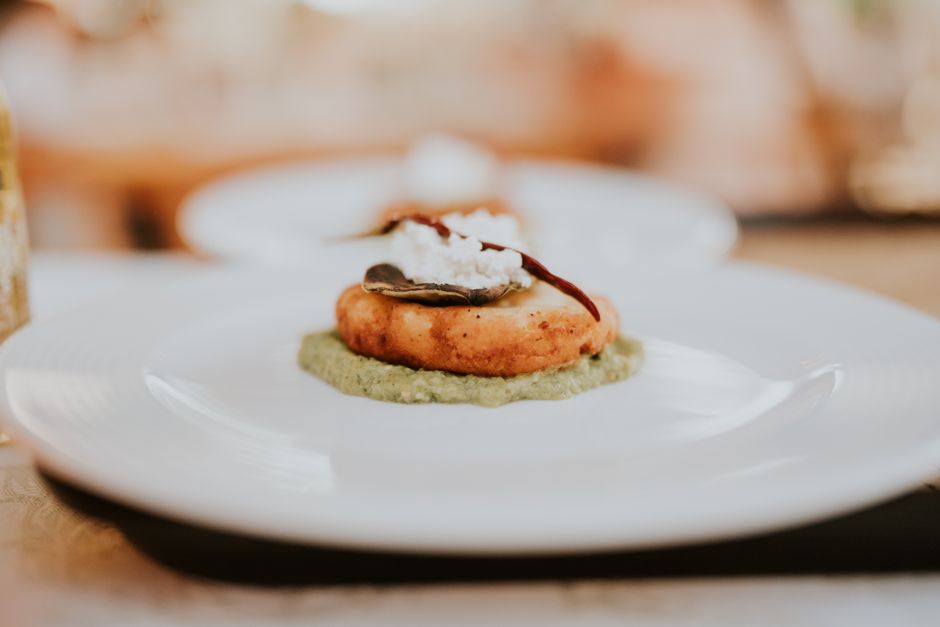
Pepo is newer, sits in a corner spot with decent visibility, and feels like the kind of neighborhood restaurant that actually serves the neighborhood. It's not trying to be precious about seafood—it's trying to be fresh and good. The snapper of the day comes prepared simply, often with olive oil and lemon, letting the fish speak for itself. The shrimp is sweet and cooked just to the point where it's tender. The sides change, but they're usually vegetables or simple starch, done well.
You'll spend twenty to thirty-five dollars on a main course. The bar is active but not overwhelming, and they're comfortable with solo diners sitting at the counter. The space is bright, the staff is efficient without being distant, and the crowd feels local rather than touristy. The one practical note: they're popular with the after-work crowd, so timing matters. Go at five-thirty or after eight, and you'll avoid the crush. Arrive at six-thirty on a Friday expecting a wait, or call ahead.
Eating Alone in Tampa: Real Logistics
Solo dining in Tampa is genuinely easy. The culture doesn't make you feel like you need a companion to justify a good restaurant. Most places have bar seating, and if they don't, they seat single diners at regular tables without making it weird. The neighborhoods worth eating in—Ybor City, Hyde Park, downtown waterfront—all have enough density that you can walk between spots, and the weather is warm enough most of the year that doing so doesn't feel like a punishment.
Parking is probably the biggest friction point. Most restaurants have lots or nearby garages, but they're not always abundant. Arrive thirty minutes earlier than you think you need to, or plan to valet. Weekends require more patience—both for parking and for tables. Weekday lunches and early dinners (before six) are significantly more relaxed. The restaurant community here is unpretentious enough that you'll never feel judged for eating solo, which matters more than you'd think.
Frequently Asked Questions
What are the best Tampa restaurants for solo diners?
Datz in Hyde Park, Pepo, and Ulele all have excellent bar seating and welcoming atmospheres for solo travelers. Datz is casual and lunch-friendly, Ulele offers fine dining with a view, and Pepo splits the difference. Most Tampa restaurants don't make solo dining awkward—you can sit at the counter or a regular table without anyone treating it as unusual.
Where should I eat in Tampa if I don't have much money?
Datz's sandwiches run twelve to eighteen dollars and are filling and high-quality. Pepo and spots in Ybor City like Bricks of Ybor offer fresh fish and entrees in the twenty to thirty-five dollar range. You can eat very well in Tampa without spending more than forty dollars on a meal, especially at lunch.
Do Tampa restaurants take reservations or is walk-in service okay?
It depends on the spot and the time. Ulele and Carne Chophouse effectively require reservations on weekends, and Donatella doesn't take them but fills up Friday nights. Datz and Pepo handle walk-ins fine at off-peak times, though both get busy after five-thirty. Calling ahead is never a bad idea, especially if you're visiting on a weekend.
What neighborhoods should I eat in when visiting Tampa?
Ybor City has the most restaurant density and walkability—it's historic, has good bars, and plenty of casual spots worth wandering through. Hyde Park (where Datz is located) is quieter and more neighborhood-feeling. The downtown waterfront has Ulele and is worth a visit if you want a view with your meal. All three are worth spending time in.
Which restaurant would you try first?