Which City Has Been Named the Worst City to Live in Mexico?
This city has been named the worst city to live in Mexico based on a combination of factors including high crime rates, poor infrastructure, limited economic opportunity, and inadequate public services. While Mexico has many vibrant and thriving cities, not every urban center shares in that prosperity. Some cities consistently appear at the bottom of quality-of-life rankings year after year.
Table of Contents
- Which City Has Been Named the Worst City to Live in Mexico?
- A Brief History of Acapulco's Rise and Fall
- Why Crime Makes This City the Worst to Live In
- Economic Collapse and Unemployment
- Infrastructure Failures and Natural Disasters
- How Does Acapulco Compare to Other Struggling Cities?
- Is There Any Hope for Acapulco's Future?
- What Life Is Really Like for Acapulco Residents
- Conclusion
- Frequently Asked Questions
Acapulco, located in the state of Guerrero, is most frequently cited as the worst city to live in Mexico. Once celebrated as a glamorous international resort destination, Acapulco has faced decades of decline driven by organized crime, cartel violence, and government neglect. Understanding what happened — and why — offers an important window into the deeper challenges facing parts of Mexico today.
- Key Takeaways
- Acapulco is most often named the worst city to live in Mexico due to chronic violence and economic collapse.
- Cartel activity and turf wars have made many neighborhoods extremely dangerous for residents.
- Infrastructure and public services have deteriorated significantly over the past two decades.
- Tourism, once the city’s economic engine, has largely fled, deepening unemployment and poverty.
- Natural disasters, including major hurricanes, have compounded existing hardships for locals.
A Brief History of Acapulco’s Rise and Fall
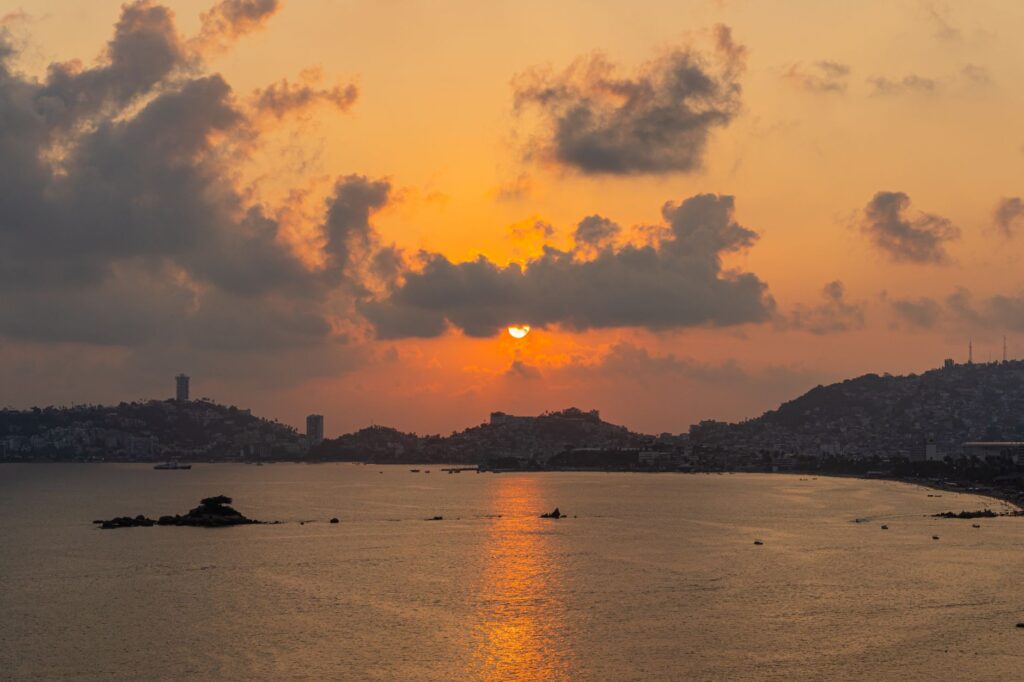
Acapulco was once one of the most glamorous resort cities in the Western Hemisphere. During the mid-20th century, it attracted Hollywood celebrities, wealthy tourists, and international visitors who came for its dramatic cliffs, warm Pacific waters, and vibrant nightlife. The city was a symbol of Mexico’s tourism potential and economic ambition.
The decline began gradually in the 1980s and accelerated through the 1990s and 2000s as drug trafficking organizations began competing for control of the port and surrounding trade routes. By the 2010s, Acapulco had earned a grim reputation as one of the most violent cities not just in Mexico, but in the entire world. Homicide rates reached staggering levels that placed it consistently among global lists of the most dangerous urban areas.
Why Crime Makes This City the Worst to Live In
The most immediate and visible factor behind Acapulco’s ranking is crime. Multiple criminal organizations have fought for dominance over the city’s port, drug distribution networks, and extortion rackets targeting local businesses. This violent competition has resulted in a persistent cycle of murders, kidnappings, and displacement that has hollowed out entire neighborhoods.
Residents — particularly those in lower-income areas on the city’s hillsides — often have little choice but to navigate daily life under the shadow of criminal control. Extortion of small businesses is widespread, and many entrepreneurs have shut down rather than pay protection fees. The effect on community trust, mental health, and economic activity cannot be overstated.
For context, readers interested in how dangerous urban environments affect residents in other parts of North America can explore this breakdown of the 10 most dangerous neighborhoods in Dallas, which illustrates how crime concentrates in specific areas even within otherwise functional cities.
Cartel Presence and Its Daily Impact
Cartel influence in Acapulco extends beyond visible violence. Criminal groups have embedded themselves in local politics, law enforcement, and commerce over many years. This makes institutional reform extremely difficult, as any attempt to crack down on organized crime can face resistance from multiple directions simultaneously.
Ordinary residents often feel caught between criminal organizations and an under-resourced police force. Many families have relocated to other Mexican states entirely, contributing to population loss that further weakens the city’s tax base and service capacity.
Economic Collapse and Unemployment
Acapulco’s economy was built almost entirely on tourism, which means the collapse of that sector devastated the city’s financial foundation. Hotels shuttered, restaurants closed, and tour operators relocated as visitor numbers plummeted. Areas that once hummed with international travelers became empty and, in some cases, dangerous.
Unemployment in the city has remained consistently high, pushing many residents into informal or illegal economic activity out of necessity rather than choice. Poverty rates in Acapulco and the surrounding Guerrero state are among the highest in Mexico, creating a difficult cycle that is hard to break without significant outside investment and institutional stability — neither of which has materialized reliably.
Infrastructure Failures and Natural Disasters
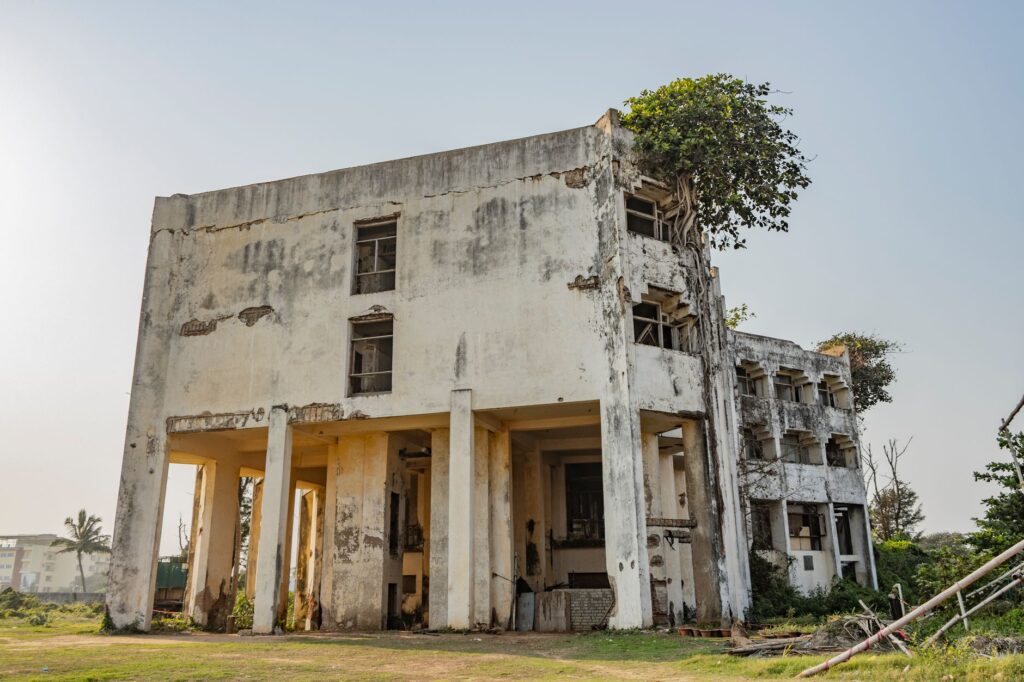
Beyond crime and economic hardship, Acapulco has suffered from serious failures in basic infrastructure. Roads, water systems, public transportation, and healthcare facilities have all deteriorated. For many residents, access to clean water is inconsistent and garbage collection is unreliable.
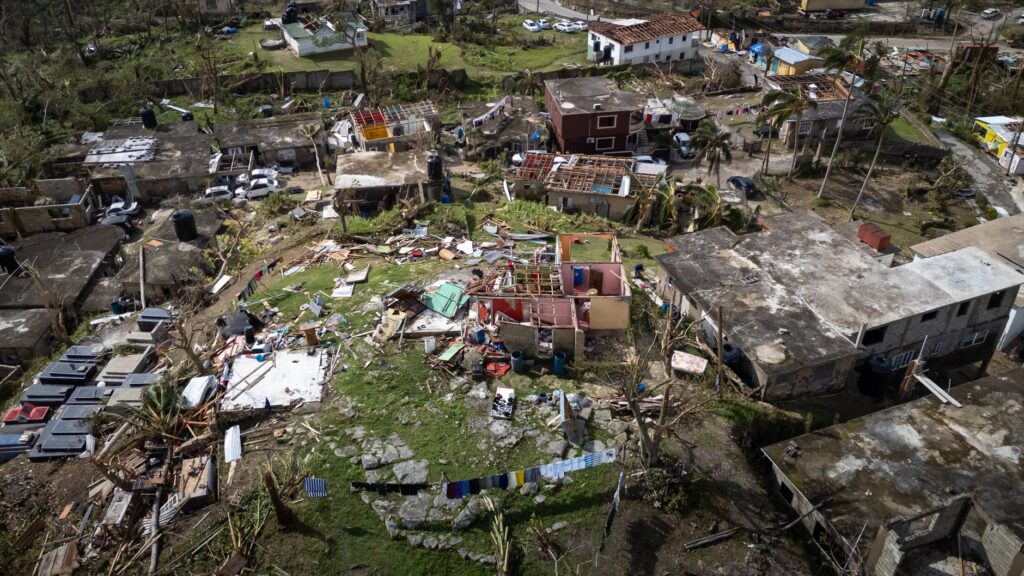
Natural disasters have made these problems significantly worse. In 2023, Hurricane Otis — one of the most powerful storms ever to make landfall on Mexico’s Pacific coast — struck Acapulco with catastrophic force. The storm caused widespread destruction of homes, roads, and public buildings, killing hundreds of people and leaving many more without shelter, electricity, or clean water for extended periods.
The recovery process exposed just how fragile the city’s systems had become. Residents in the hardest-hit areas waited weeks for meaningful government assistance, and some neighborhoods were almost entirely destroyed. The disaster amplified Acapulco’s existing vulnerabilities in a way that made the city’s challenges visible to the entire world.
Healthcare and Education Gaps
Access to quality healthcare in Acapulco is limited, particularly for lower-income residents who cannot afford private facilities. Public hospitals are often underfunded and under-staffed, creating barriers to basic medical care. Similarly, schools in the city have struggled with underfunding, safety concerns, and teacher shortages that impact educational outcomes for young people.
These institutional gaps make it harder for residents to build economic stability or access upward mobility, reinforcing the cycle of poverty and vulnerability that has defined life in Acapulco for a generation.
How Does Acapulco Compare to Other Struggling Cities?
Mexico is a large and diverse country with significant regional variation in quality of life. Cities like Monterrey, Querétaro, and Mérida consistently rank among the best places to live in Mexico, offering strong economies, lower crime rates, and better public services. The gap between these thriving cities and places like Acapulco highlights how uneven development can be within a single country.
Other cities sometimes cited alongside Acapulco in negative quality-of-life discussions include Culiacán, Celaya, and Ciudad Juárez — all of which have faced serious crime-related challenges. However, Acapulco’s combination of violence, natural disaster vulnerability, economic collapse, and infrastructure decay has placed it at or near the bottom of most comprehensive assessments.
Urban safety challenges are not unique to Mexico. As seen in reporting on the killing of homeless people in Los Angeles, systemic urban vulnerability can manifest in very different ways depending on local context, resources, and institutional responses.
Is There Any Hope for Acapulco’s Future?
Despite the severity of its problems, Acapulco is not without hope. The city still has geographic advantages — its natural harbor, scenic coastline, and warm climate remain appealing — that could, under the right conditions, support a recovery. Some local entrepreneurs and community organizations have worked persistently to rebuild and improve conditions even in difficult circumstances.
The Mexican federal government has at times deployed military forces and launched special security operations in Acapulco, though the results have been mixed. Sustainable improvement would require consistent law enforcement, meaningful investment in infrastructure and social services, economic diversification beyond tourism, and long-term institutional reform — a complex set of conditions that has yet to come together fully.
Post-hurricane reconstruction has brought some new infrastructure investment to the city, though critics argue the pace has been too slow and the distribution of resources too uneven to make a transformational difference for the most vulnerable residents.
What Life Is Really Like for Acapulco Residents
For the hundreds of thousands of people who call Acapulco home, daily life involves navigating real constraints that outsiders rarely see in full. Many residents are deeply attached to their city, their families, and their communities, and they manage to build meaningful lives despite the hardships around them.
Community solidarity is a real and important part of life in Acapulco. Neighbors look out for one another, informal support networks exist, and local cultural life — food, music, religious traditions — remains vibrant. The city’s people are often its greatest strength, even when its institutions are its greatest weakness.
At the same time, many families — particularly those with the financial means to do so — have chosen to leave. The outflow of educated and entrepreneurially minded residents is one of the factors that makes recovery harder, as the city loses human capital alongside economic capital.
Frequently Asked Questions
What city in Mexico is considered the most dangerous to live in?
Acapulco, in the state of Guerrero, is most frequently ranked as the most dangerous city in Mexico based on homicide rates and cartel activity. It has appeared on global lists of the world's most violent cities multiple times in recent years. Other cities such as Celaya and Ciudad Juárez have also ranked highly for violence in different periods.
Why did Acapulco become so dangerous?
Acapulco's decline into violence was driven largely by competition between rival drug trafficking organizations that sought control of the city's port and drug distribution routes. Institutional weakness, corruption, and limited economic alternatives allowed criminal groups to embed themselves deeply in the city over several decades. The collapse of tourism revenue removed one of the few stabilizing economic forces the city had.
Is it safe to visit Acapulco as a tourist?
Most travel advisories from multiple governments recommend against tourist travel to Acapulco due to high crime rates and the ongoing presence of organized criminal groups. While some resort areas have had security improvements, the overall safety situation remains a serious concern. Travelers should consult up-to-date government travel advisories before making any plans.
What happened to Acapulco after Hurricane Otis?
Hurricane Otis struck Acapulco in 2023 as one of the strongest storms ever recorded on Mexico's Pacific coast, causing widespread destruction of homes, businesses, and public infrastructure. The disaster killed hundreds of people and left many residents without shelter or basic services for weeks. Recovery efforts have been ongoing but critics note the pace and distribution of aid has been uneven.
Are there cities in Mexico that are safe and good to live in?
Yes, Mexico has several cities that consistently rank well for quality of life, safety, and economic opportunity, including Mérida, Querétaro, and San Luis Potosí. These cities tend to have more diversified economies, stronger institutions, and lower crime rates than places like Acapulco. The contrast between Mexico's best and worst cities reflects significant regional inequality across the country.
Conclusion
This city has been named the worst city to live in Mexico not because of any single failing, but because of an overlapping set of challenges — persistent violence, economic collapse, infrastructure decay, and natural disaster vulnerability — that have compounded one another over decades. Acapulco’s story is a cautionary tale about what happens when organized crime, institutional weakness, and economic dependence on a single industry converge without effective intervention.
Understanding these dynamics matters not just for those considering visiting or living in Mexico, but for anyone interested in how cities can fall from prosperity to crisis — and what it takes to turn that trajectory around. For similar deep-dives into how urban environments shape the lives of real people, explore coverage of how political battles reshape cities, where civic identity and governance intersect in high-stakes ways.