This Town Has Been Named the Poorest in Arizona — Here’s the Full Picture
This town has been named the poorest in Arizona based on multiple economic indicators, including median household income, poverty rate, and unemployment levels. Somerton, Arizona — a small city in Yuma County near the U.S.-Mexico border — consistently ranks at or near the bottom of state and national economic comparisons. Understanding why requires looking at the region’s history, geography, and workforce challenges.
Table of Contents
- This Town Has Been Named the Poorest in Arizona — Here's the Full Picture
- Where Is Somerton and Why Does It Struggle?
- This Town Has Been Named the Poorest in Arizona — The Root Causes
- Who Is Most Affected?
- What Is Being Done to Address the Poverty Problem?
- How Somerton Compares to Other Poor Towns Nationally
- What Residents and Advocates Say
- Conclusion
- Frequently Asked Questions
- Key Takeaways
- Somerton, Arizona, regularly ranks as the state’s poorest community based on income and poverty data.
- The city’s economy depends heavily on agriculture, a sector known for seasonal, low-wage work.
- A large share of residents live below the federal poverty line, with limited access to higher-paying jobs.
- Geographic isolation and limited infrastructure compound the city’s economic disadvantages.
- Local, state, and federal programs have made attempts to stimulate growth, though progress remains slow.
Where Is Somerton and Why Does It Struggle?
Somerton sits in the far southwestern corner of Arizona, about 10 miles south of Yuma. With a population of roughly 16,000 to 18,000 residents, it is a small but dense community. Its proximity to the Mexican border shapes nearly every aspect of local life — from demographics to the types of industries that operate there.
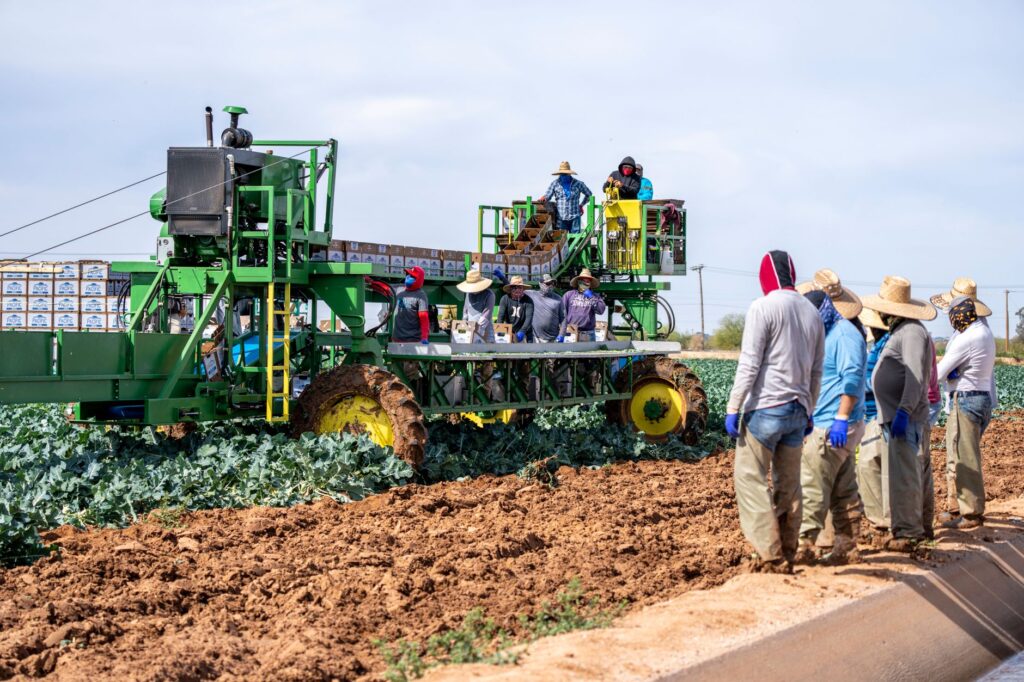
The city’s economy is dominated by agriculture. The Yuma region as a whole is one of the most productive farming areas in the United States, supplying a significant portion of the country’s winter vegetables. However, agricultural labor is typically seasonal, physically demanding, and low-paying — conditions that make financial stability difficult for many families.
The Income and Poverty Data
Median household income in Somerton typically falls well below both the Arizona state median and the national median. A substantial portion of the population lives at or below the federal poverty line. Child poverty rates are particularly concerning, as economic hardship in a household affects education, nutrition, and long-term opportunity.
Unemployment tends to spike during off-seasons when agricultural work dries up. Many residents rely on informal labor markets or travel to nearby Yuma for work, adding transportation costs that further strain already tight budgets.
This Town Has Been Named the Poorest in Arizona — The Root Causes
No single factor explains persistent poverty. In Somerton’s case, a combination of structural, historical, and geographic issues creates a cycle that is difficult to break without targeted intervention.
Limited Educational Attainment
Educational outcomes in Somerton lag behind state averages. Lower high school graduation rates and limited access to higher education reduce residents’ ability to compete for skilled, higher-paying jobs. Many young adults enter the workforce early to help support their families, interrupting their own long-term earning potential.
Geographic Isolation
Being located far from Arizona’s major economic centers — Phoenix and Tucson — means Somerton residents have fewer job options without significant commuting. Limited public transportation makes this even harder for households without a reliable vehicle. Businesses are also less likely to invest in areas perceived as economically marginal or hard to access.
Language and Cultural Barriers
A significant portion of Somerton’s population is Hispanic or Latino, and many households are primarily Spanish-speaking. While this is a cultural strength, language barriers can limit access to government services, healthcare information, and employment opportunities that require English proficiency.
Who Is Most Affected?
Poverty in Somerton does not affect all residents equally. Families with children, elderly residents on fixed incomes, and undocumented or mixed-status households face the steepest challenges. Food insecurity is a real concern for a notable share of local families.
Women-headed households face particular strain. Single mothers working agricultural or service-sector jobs often earn wages that do not cover childcare, rent, and food simultaneously. This forces difficult trade-offs that keep families in a cycle of financial instability.
Housing Challenges
While housing costs in Somerton are lower than in Phoenix or Tucson, they have risen alongside national trends. Many residents are renters, and even modest rent increases can be destabilizing for households earning near or below the poverty line. Overcrowding — multiple families or generations sharing one home — is common.
What Is Being Done to Address the Poverty Problem?
Federal, state, and local efforts have targeted Somerton and the broader Yuma County area over the years. Community development block grants, agricultural workforce development programs, and school improvement initiatives have all played a role. Results, however, have been mixed.
Economic Diversification Efforts
Local leaders have long recognized that over-reliance on seasonal agriculture is a structural vulnerability. Efforts to attract small manufacturing, logistics, and service-sector employers have had limited success. The border location, while sometimes seen as a liability by outside investors, also creates potential for cross-border commerce and trade — an opportunity that remains largely underdeveloped.
Education and Workforce Programs
Arizona Western College, based in Yuma, provides accessible higher education options for Somerton residents. Vocational training programs in healthcare, construction, and technology aim to equip workers with skills that command better wages. Enrollment and completion rates, however, still need improvement to create meaningful community-wide economic change.
State-level conversations about economic equity and resource distribution often touch on border communities like Somerton. For a broader look at how economic and political forces intersect in struggling communities, the dynamics explored in articles about Oklahoma’s political battleground counties show how resource allocation debates can directly affect poor and rural areas.
How Somerton Compares to Other Poor Towns Nationally
Somerton is not unique in the struggles it faces. Small border towns, post-industrial communities, and rural agricultural hubs across the United States share similar economic profiles. What distinguishes Somerton is the intensity of multiple overlapping disadvantages — low wages, limited education, geographic isolation, and a transient agricultural labor force — all concentrated in one small city.
Communities in other states dealing with economic contraction have experimented with unconventional revenue sources. For instance, weed tax revenue has surged in some Pennsylvania cities, and cannabis legalization has boosted the economy of certain Nevada cities — examples of how policy shifts can create new economic pathways for struggling communities. Arizona’s own cannabis market, legalized in 2020, has yet to produce significant local economic benefit for Somerton specifically.
What Residents and Advocates Say
Community voices often tell a more nuanced story than statistics alone. Many Somerton residents express pride in their community’s resilience and cultural richness, even while acknowledging the very real hardships they face. Advocates for border communities frequently point out that these towns are underrepresented in state and federal policy discussions despite their significant economic vulnerability.
Grassroots organizations working in Yuma County have pushed for better access to healthcare, bilingual educational resources, and living-wage employer recruitment. Progress is slow, but local organizing continues to apply pressure on decision-makers at the state level.
Frequently Asked Questions
What is the poorest town in Arizona?
Somerton, Arizona, in Yuma County, is frequently identified as the poorest town in Arizona based on median household income and poverty rate data. The city's economy is heavily dependent on seasonal agricultural labor, which contributes to persistent low wages and high poverty rates. Multiple economic rankings have placed Somerton at or near the bottom among Arizona communities.
Why is Somerton, Arizona so poor?
Somerton's poverty stems from a combination of factors, including heavy reliance on low-wage, seasonal agricultural work, limited educational opportunities, and geographic isolation from Arizona's major economic centers. Language barriers and limited infrastructure also make it harder for residents to access better-paying jobs or government assistance. These overlapping challenges create a difficult cycle to escape without targeted intervention.
What is the average household income in Somerton, Arizona?
The median household income in Somerton is significantly lower than both the Arizona state median and the national median, though exact figures change with each census update. The city consistently ranks among the lowest in the state for household earnings. A large percentage of residents live at or below the federal poverty line.
Is Somerton, Arizona a safe place to live?
Like many communities with high poverty rates, Somerton faces some crime challenges, though it is not considered among Arizona's most dangerous cities. The community is tight-knit with a strong cultural identity and a high proportion of working families. Safety perceptions vary depending on the neighborhood and context.
What efforts are being made to improve the economy in Somerton?
Local leaders, state agencies, and federal programs have pursued economic diversification, workforce development, and educational improvement initiatives in Somerton and the surrounding Yuma County area. Arizona Western College offers accessible higher education and vocational training nearby. Progress has been gradual, and advocates continue to push for greater investment in border communities.
Conclusion
This town has been named the poorest in Arizona not because of any single failure, but because of decades of overlapping economic, geographic, and structural challenges. Somerton’s story reflects the realities faced by many small border communities across the American Southwest — communities whose residents work hard but remain caught in systems that limit upward mobility. Addressing the problem meaningfully will require sustained investment in education, economic diversification, infrastructure, and policy reform. Until then, Somerton remains a sobering reminder that prosperity in America is still far from evenly distributed.