
I rolled into Tucson on a hot afternoon in March, laptop bag slung over one shoulder, the kind of traveler who spends half the day hunting for a cafe that won't kick me out after an hour. The city surprised me. It's got the sprawl and car culture of the Southwest, sure, but pockets of genuine cafe culture tucked into neighborhoods that don't advertise themselves. Some of these places are packed with regulars; others are quiet enough that you forget the Sonoran Desert is baking outside. Over a few days of camp-outs and coffee runs, I found the ones worth coming back to.
Tucson's cafe scene isn't trying to be Portlandia. You won't find a twenty-dollar acai bowl or a barista explaining the microclimate of their beans with the intensity of a sommelier—though there's nothing wrong with that elsewhere. What you get here is straightforward: decent espresso, decent pastries, decent wifi, and space to actually spread out. The city's relatively affordable, which means cafes aren't packed with people jockeying for tables the way they are in bigger cities. That's a real advantage if you've got work to do.
The Ivy & Me: Midtown's Reliable Anchor
The Ivy & Me sits on a corner in Midtown and has the feel of a place that's been part of the neighborhood long enough that people actually care about it. Exposed brick, decent natural light, and a layout that separates the front seating area from a back room with actual table space. The wifi works without drama. The pastries rotate—croissants, scones, the occasional seasonal item—and they're legitimately good, not the mass-produced stuff you get at chains.
I camped here for a morning and watched a mix of laptop workers, retired folks reading the paper, and students between classes. The owner and staff know their regulars by name but don't make newcomers feel like intruders. The espresso drinks are solid without being precious. Order a flat white or a cortado and get actual espresso, not whatever burnt-tasting compromise passes for coffee at most places. Midtown as a neighborhood is worth looping through anyway—galleries, vintage shops, the sort of area that makes Tucson feel less like a sprawl and more like a real city.

Beyond Bread: Busier, Busier Worth It
Beyond Bread has two locations—one near downtown, one on the southeast side—and both have earned their reputation. This is the cafe where you're more likely to see a line, especially around morning rush, but the turnover is brisk and the operation runs like it's been doing this for twenty years, which it has.
They make their own bread and pastries in-house. The croissants are butter-heavy and flaky in a way that suggests someone actually knows what they're doing. The scones come stuffed with fruit or chocolate, depending on the day. The sandwiches—if you're there past mid-morning—are built on their own bread and worth ordering even if you're technically just in for coffee. Wifi is available, seating is reasonable if not abundant, and the people-watching is excellent because the place pulls from across the city. The downtown location especially sits at an intersection of different Tucson worlds.
Exo Roasters: The Less-Obvious Choice
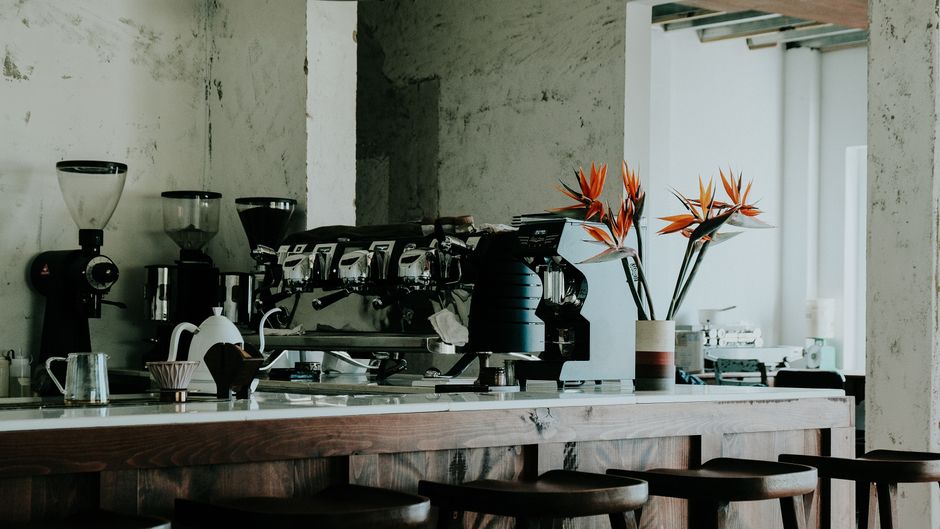
Exo Roasters is the kind of place that doesn't get the same foot traffic as the obvious downtown spots, partly because it's located a bit south, partly because it hasn't spent much energy on marketing itself. That's exactly why I'm mentioning it. They roast their own beans and take the coffee seriously without making it a performance. The space is open and industrial—concrete, high ceilings—and there's enough seating that you won't feel cramped even if the place is moderately busy.
The espresso has clarity and complexity that suggests they actually care about how their beans are extracted. Single-origin options rotate through the menu. Pastries are sourced from local bakeries rather than made in-house, which means variety and quality that frankly beats places trying to do everything themselves. I sat here for three hours one afternoon and no one hurried me along. The neighborhood around it is quiet, mostly residential with some light commercial, so it's a good spot if you're looking for cafe culture without the scene.

Cafe Lucé: Downtown Standard
Cafe Lucé is the downtown answer if you want to be in the central part of town and still have a decent work setup. The space has two levels, reasonable wifi, and a steady mix of tourists, office workers, and people doing what I was doing—essentially squatting for the day. The espresso is competent and consistent. The pastries are fine, nothing remarkable, but adequate.
The real value here is location and reliability. You're close to downtown shops and galleries, on a street with actual foot traffic, and you won't feel weird being the person working on a laptop because plenty of other people are doing the same thing. It's not the best coffee in Tucson, but it's not trying to be—it's trying to be the place you can land and not wonder if the wifi will hold. That's useful information if you're bouncing around the city.
Preparing for the Heat (and Getting Real About Logistics)
If you're visiting Tucson outside of November through April, understand that the heat will shape where you actually want to sit. A cafe with good air conditioning and the ability to camp in an air-conditioned back room becomes less of a luxury and more of a necessity. Most of the places mentioned here handle the summer crowd by adjusting hours or expecting people to move faster, simply because outdoor patios aren't pleasant when the temperature hits 112 degrees.
Wifi in Tucson is generally decent if patchy. Don't expect the cloud-based reliability of bigger metros. Some of these cafes use commercial-grade connections that hold up under load; others have the sort of neighborhood wifi that works great until it doesn't. Test it early in your session and have a backup plan. Cell service is solid across the city, so a mobile hotspot works as insurance.
Parking is free or nearly free everywhere mentioned, which is another win compared to coastal coffee-shop culture. You can actually park your car, sit down, and not watch the meter tick. That changes the mental math of whether to camp somewhere for an afternoon.
Tucson's Cafe Culture Isn't About Hype
What struck me after a week of mornings and afternoons in these places is that Tucson's cafe scene isn't performing for anyone. There's no influencer economy pushing certain places, no pressure to chase what's trendy. These cafes exist because people in the neighborhood wanted coffee and a place to sit, and they've built something that works. The clientele is mixed—actual locals, remote workers like me passing through, people on fixed incomes reading newspapers, students. Nobody's performing for Instagram.
That's not always true everywhere, and it's worth noting when you find it. It means the coffee gets better because the owners actually care about coffee, not because they're chasing a market. It means the pastries are worth eating because someone's spending the time, not because they're optimized for packaging and shelf life. It means the seating is comfortable because people actually sit there for hours, not because a designer said it would photograph well.
If you're working remote or just need a place to settle for a few hours, Tucson's cafes will take care of you. More than that—they'll let you become part of the neighborhood for a day.



