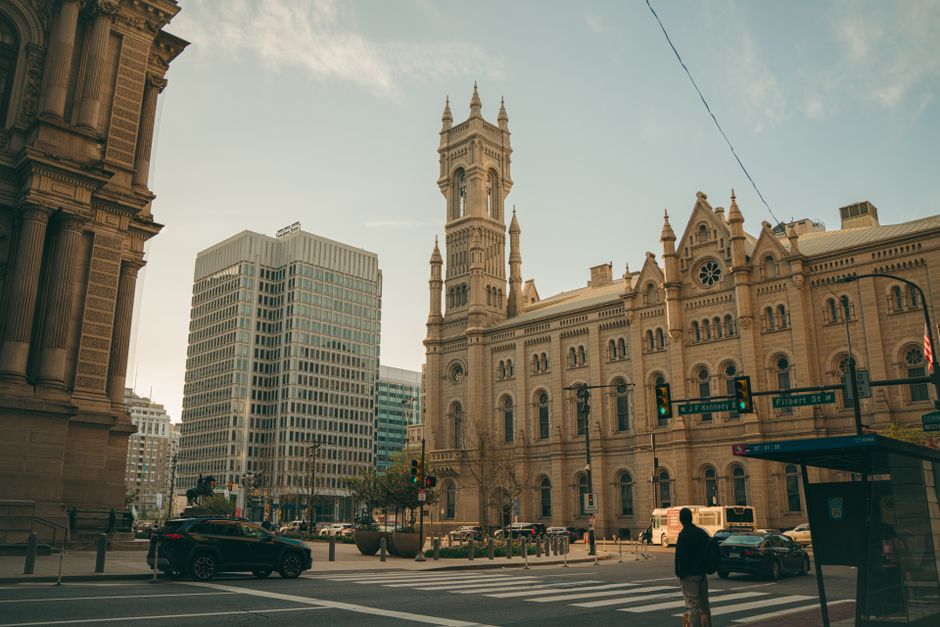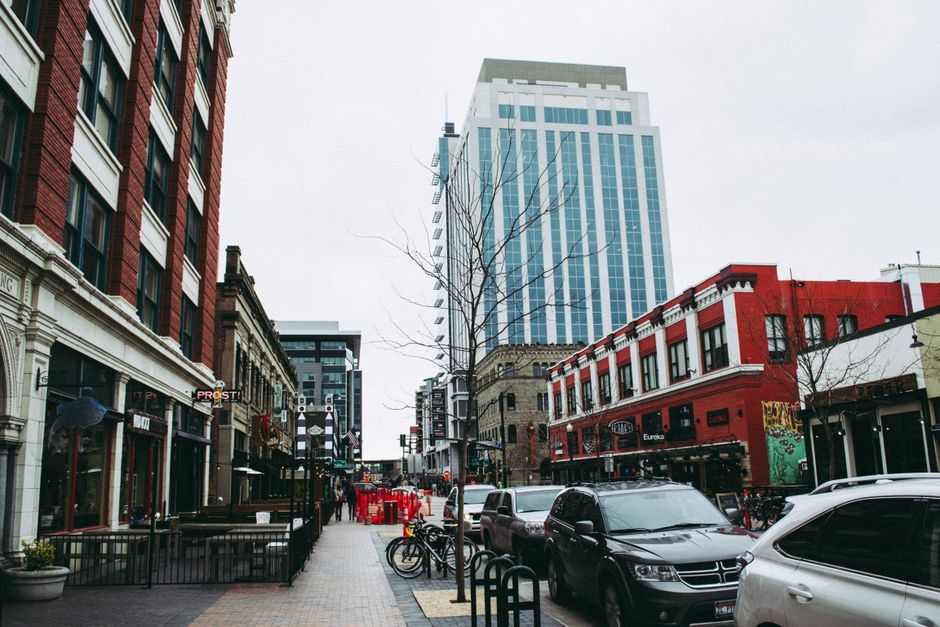
I arrived in Omaha on a gray October afternoon, rolled my suitcase into the Old Market, and immediately understood why locals defend this city so fiercely. Within ten minutes I'd found good coffee, a decent bar, and at least three people who volunteered directions without me asking. The vibe is Midwestern-friendly in a way that feels genuine, not performed.
But I also came here aware that Omaha, like any city of 450,000-plus, has real neighborhoods and real variations in safety. I spent a week doing what I always do: walking around at different hours, talking to locals (bartenders, hotel staff, a few random people at the grocery store), checking recent police data, and getting a feel for where I felt comfortable and where I didn't. What I found is reassuring, with a few practical caveats worth knowing.
The Overall Picture
Omaha's crime rate is moderate for a city its size. Property crime (car break-ins, theft) is the more common issue than violent crime. According to local police data and resident feedback, most violent crime is concentrated in specific neighborhoods and is often linked to gang activity or domestic situations—which means random tourists aren't the typical targets.
That said, you shouldn't wander into unfamiliar areas at 2 a.m. any more than you would in Kansas City or Denver. The difference between Omaha and much larger metros is that you can actually see the safer areas clearly defined, and most of the places tourists go are genuinely fine. I felt safer here than I did in parts of Phoenix or Austin, and I moved around freely during daytime and early evening hours.
Where to Be Careful (and Why)
North Omaha, particularly areas north of Lake Street and west of 30th Street, has the highest concentration of property and violent crime in the city. This is where local police and residents consistently flag as the part of town to avoid, especially after dark. It's not that you'll automatically get mugged—most people who live there are just trying to live their lives—but it's the area with the highest statistical risk, and there's no tourism draw there anyway.
South Omaha, especially around the streets near the Interstate 80 corridor in the southern sections, has higher property crime rates (car break-ins, theft from vehicles). If you're parking there, keep nothing visible in your car and lock everything. But again, most visitors aren't staying or spending time in these zones.
The area immediately around 16th and Farnam, right on the fringe of downtown, is where you'll see more visible homelessness and some substance-use activity, particularly in the evenings. It's not dangerous in the sense of random violence, but it can be uncomfortable, and it's not where you want to linger late at night. Stay a few blocks south or east and you're in much different territory.
The Safe Zones (Where You'll Actually Go)
The Old Market is legitimately pleasant and walkable. It's the main tourist and local hangout, well-lit in the evenings, with plenty of foot traffic and bars and restaurants. I walked around here at 10 p.m. on a Saturday without any hesitation, and the police presence is noticeable without being heavy-handed.
Downtown Omaha, particularly around the Crescent area and the riverfront, is actively being revitalized and is safe during the day and early evening. You'll see joggers and families here, and it's well-maintained. After dark, stick to the main lit thoroughfares.
Berkeley, the neighborhood just west of downtown, is where a lot of young professionals live. Tree-lined residential streets, good bars and coffee shops, feels genuinely safe. I spent a couple of evenings here and saw people out walking at all hours.
Valdez, Dundee, and the areas around Aksarben Village (a newer mixed-use development) are upscale-ish residential and commercial zones where you'll find restaurants and shops. Perfectly fine, low crime, though not necessarily where the more interesting nightlife is.
Practical Safety Habits That Matter
Use your phone for navigation, but don't be glued to it while walking. Omaha isn't a place where pedestrians are constantly targeted, but situational awareness is never wasted.
Parking: Keep your car locked and empty. Don't leave bags visible, electronics sitting on the seat, or cash in the cup holder. This applies everywhere, but especially in South Omaha and anywhere near the river.
Transit and getting around: Omaha is car-dependent, and public transit (Metro Transit) exists but isn't extensive. Rideshare is available and relatively affordable. If you're going out at night, take an Uber or Lyft rather than walking from bar to bar in unfamiliar areas. Cabs exist too. During the day, walking around downtown and the Old Market is fine and actually pleasant.
Stay in the right part of town. Hotel and Airbnb options in Old Market, downtown, Berkeley, and Dundee are solid. Avoid booking accommodations in North Omaha unless you have a specific reason, and even then, be deliberate about it.
Real Talk on After-Hours
Omaha is not a late-night city like Chicago or Kansas City. Most bars close by 2 a.m., and the street scene winds down. This is actually good for solo travelers because there's a natural rhythm to when things shut down. If you're out drinking, plan your rides home in advance. Don't assume you'll just walk back to your hotel at midnight.
The neighborhoods that are lively and safe during the day—Old Market, downtown—are still okay in early evening, but by 11 p.m. or midnight, you should be heading back or taking transit. This isn't paranoia; it's just how cities work. The restaurant and bar districts thin out, and the people on the street start to change.
I went out one night until 10 p.m. in the Old Market, walked to a parking garage, and felt completely fine. I also didn't test staying out until 2 a.m. because I'm not here to prove anything.
What Solo Travelers Get Right (That Other Visitors Miss)
Solo travelers are usually more attentive to their surroundings than groups. You're less likely to be drunk, distracted, or careless with valuables. You move at your own pace and can leave situations that feel off. I found that my own instincts in Omaha were reliable—if a street or intersection didn't feel right, it usually didn't have a specific reason to avoid it, and I just moved on.
Talk to locals. Every bartender and hotel staff person I asked gave me straightforward, non-alarmist information. They weren't trying to sell me fear. They were just honest about where to avoid and what precautions made sense.
The Bottom Line
Omaha is a good solo travel destination. The downtown and Old Market areas are walkable and interesting. The food scene is solid. People are genuinely friendly. Crime exists, but it's not concentrated in the places tourists go, and with basic precautions—not walking alone in unfamiliar areas at midnight, keeping your car locked, choosing hotels in the right neighborhoods—you have a low-risk experience.
The key is not pretending Omaha is something it isn't (a tiny safe town where nothing happens) while also not being scared of what it actually is (a real Midwestern city with both good neighborhoods and areas you should avoid). Solo travelers are usually good at that balance anyway.